



Expanding the Farm-to-Table Footprint
Agri-tech platform Handpickd announced this week its strategic plan to expand into 30 new micro-markets, aiming to significantly deepen its direct-procurement partnerships with regional farmers. By scaling its hyper-local distribution model, the company intends to bridge the gap between rural agricultural output and urban consumer demand across untapped territories over the next fiscal year.
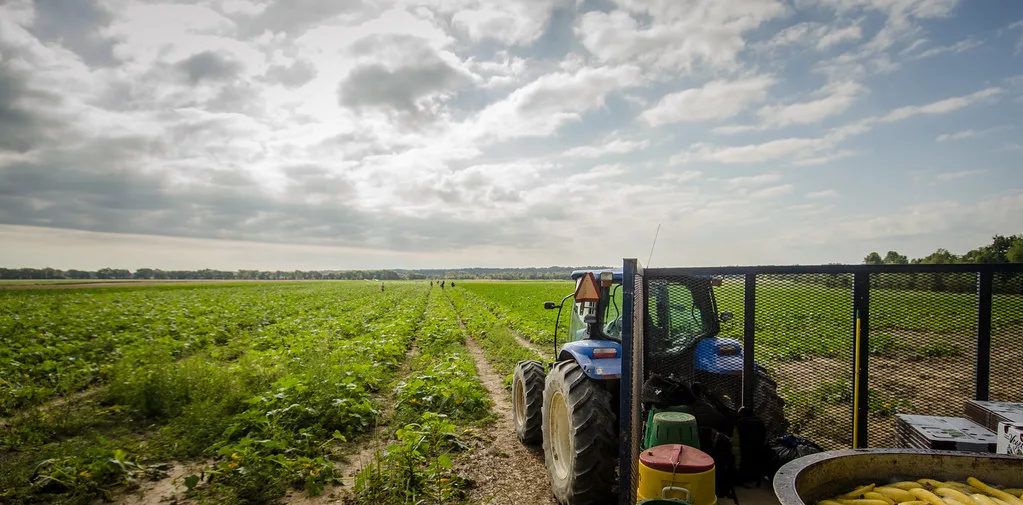
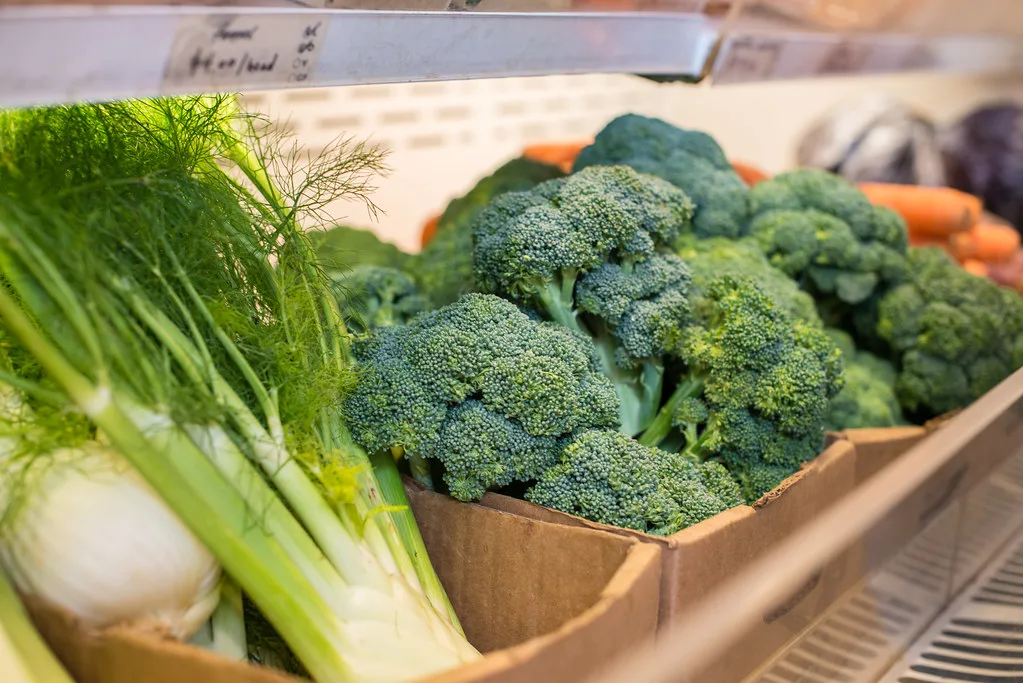
The company operates a streamlined supply chain model where customer orders are collected 24 hours in advance. Handpickd then procures fresh produce directly from farmers overnight, ensuring delivery to the end consumer by the following morning. This rapid turnaround minimizes post-harvest losses and guarantees higher nutritional value for the final product.
The Shift in Agricultural Logistics
Traditional agricultural supply chains in many regions are characterized by multiple intermediaries, which often results in farmers receiving a fraction of the market price while consumers pay a premium for aging produce. Handpickd’s model represents a growing trend in the agri-tech sector toward disintermediation, where technology facilitates a direct link between the grower and the buyer.
Data from the Food and Agriculture Organization (FAO) suggests that approximately 14% of food produced for human consumption is lost between harvest and the retail market. By tightening the procurement window, Handpickd aims to lower this loss percentage while simultaneously improving the livelihoods of smallholder farmers who gain access to a predictable, steady demand for their crops.
Operational Dynamics and Market Penetration
The decision to target micro-markets specifically is a strategic pivot designed to optimize logistics. By focusing on smaller, dense clusters, the company can reduce the carbon footprint of its delivery fleet and improve the efficiency of its cold-chain requirements. This localized approach allows the platform to maintain quality control that is often difficult to manage in large-scale, long-haul distribution networks.
Industry analysts point out that the success of such models relies heavily on sophisticated demand forecasting. By requiring orders a day in advance, Handpickd eliminates the guesswork associated with inventory management. This predictive capability allows the platform to communicate specific volume requirements to farmers, preventing the common issue of overproduction and market price crashes.
Expert Insights on Supply Chain Sustainability
Supply chain experts argue that the future of fresh produce lies in predictive logistics. Dr. Marcus Thorne, an agricultural logistics researcher, notes that “the integration of real-time demand signals into the procurement process is the single most effective way to reduce food waste and enhance profitability for small-scale operations.”
Furthermore, the deepening of farmer tie-ups serves as a risk-mitigation strategy. By providing farmers with a guaranteed buyer, Handpickd encourages the adoption of sustainable farming practices and crop diversification. This stability ensures that the supply chain remains resilient even during periods of market volatility.
Future Implications for the Agri-Tech Industry
The expansion of Handpickd into 30 new micro-markets signals a broader industry shift toward hyper-localization. As consumers become increasingly sensitive to the origin and freshness of their food, platforms that can guarantee a transparent, short-distance supply chain will likely capture a larger market share.
Industry observers should watch for how the company manages the increased complexity of its logistics network as it scales. The ability to maintain current delivery speeds while expanding geographic reach will serve as a bellwether for the viability of the micro-market model in the broader agricultural sector. Continued investment in automated sorting and cold-storage facilities will likely be the next logical step to ensure long-term scalability.