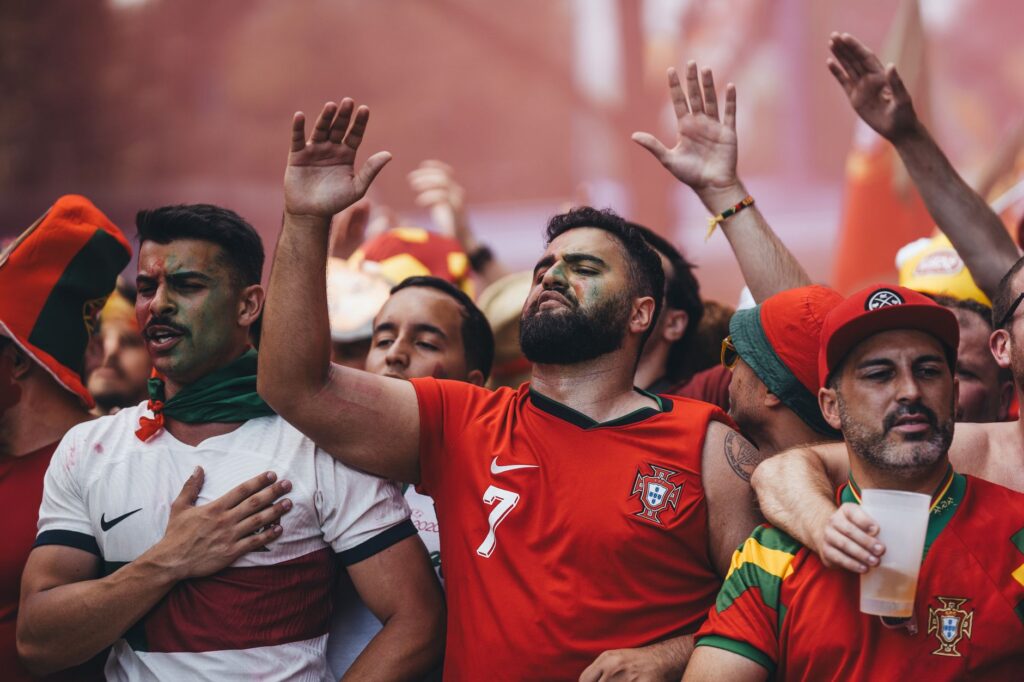

During the past month, international and domestic soccer fans flooded United States host cities, including Philadelphia and Kansas City, driving a massive surge in local consumer spending and successfully dispelling pre-tournament fears of an economic bust. The influx of visitors filled hotels to capacity, packed restaurants, and boosted public transit usage, providing a major financial windfall for local businesses during the high-profile sporting event.
Overcoming the ‘Skeptic’s Curse’
Historically, hosting mega-events like the World Cup sparks intense debate over their true economic value. Skeptical economists often point to the “crowding out” effect, where regular business travelers and traditional tourists avoid host cities due to anticipated congestion, elevated prices, and security hassles, resulting in a net economic wash or even a loss.
However, early data from this past month suggests that U.S. host cities managed to bypass this trend through meticulous planning. Local organizing committees worked alongside municipal governments to integrate fan zones, cultural festivals, and community events, keeping both visiting fans and local residents actively engaged in the local economy.
In cities like Kansas City and Philadelphia, the strategic placement of public viewing areas and fan fests ensured that the economic impact spread far beyond the immediate stadium perimeters and directly into downtown commercial districts. This approach allowed smaller businesses, located miles away from the pitches, to share in the financial benefits of the global tournament.
A Windfall for Local Merchants and Hospitality
Data from local business associations and chambers of commerce reveals a dramatic spike in transaction volumes. In Philadelphia, downtown merchants reported a 35% increase in foot traffic compared to the same period last year, with hospitality and food service sectors experiencing the most significant gains.
Restaurants, bars, and craft breweries near transit hubs saw historic sales numbers. Many establishments extended their operating hours, curated special international menus, and hired temporary staff to keep up with the unprecedented demand from diverse, multilingual crowds.
“We anticipated a notable bump in weekend sales, but the sheer volume of international visitors exceeded our most optimistic projections,” said Marcus Thorne, a hospitality analyst based in Pennsylvania. “The spending was not just concentrated around match days, but remained remarkably steady throughout the entire month-long tournament, creating a sustained economic lift.”
Midwestern Appeal and Infrastructure Success
Kansas City, often viewed as an underdog host compared to coastal giants like New York or Los Angeles, emerged as one of the tournament’s biggest success stories. The city’s recent investments in its new airport terminal and upgraded public transit systems, including the free-to-ride streetcar, paid off immensely by facilitating seamless travel for tens of thousands of visiting fans.
Hotel occupancy rates in the Kansas City metropolitan area hovered near 92% for the duration of the group stage matches. This surge in lodging demand drove average daily room rates up by nearly 45%, providing substantial tax revenues that municipal leaders plan to reinvest into local community projects.
Local officials noted that the successful coordination of transportation and security minimized the typical friction points associated with large-scale events. This smooth experience encouraged tourists to stay longer, explore neighboring cultural districts like the historic 18th & Vine, and patronize local retail shops.
Data-Backed Economic Growth
Preliminary transaction data from major credit card processors confirms a broad-based spending lift across all major host cities. Foreign transaction volumes in these urban centers rose by an average of 28% year-over-year, led by visitors from Europe, Latin America, and East Asia who stayed in the country for multiple weeks.
Retail sales also saw a notable lift, particularly in sports apparel, regional memorabilia, and convenience goods. Analysts point out that this widespread spending directly benefits small and medium-sized enterprises, which make up the backbone of these urban economies.
“This wasn’t just a win for major international hotel chains or stadium concessionaires,” noted Dr. Elena Rostova, an economist specializing in sports tourism. “The data shows a highly distributed spending pattern, meaning local boutique shops, food trucks, and independent ride-share drivers captured a significant portion of the revenue, keeping wealth within the community.”
Long-Term Implications and the Road Ahead
The financial success of this tournament establishes a new blueprint for how North American cities can leverage global sporting events. The proven ability to handle massive tourist volumes without paralyzing local infrastructure will likely bolster future bids for events like the Olympics, global conventions, and subsequent FIFA tournaments.
For the hospitality and tourism industries, the focus now shifts to sustaining this momentum. Cities are already planning follow-up marketing campaigns targeted at the international markets that showed the highest engagement during the cup, aiming to turn one-time sports tourists into repeat visitors.
Looking ahead, economists will monitor whether this temporary surge translates into permanent job creation or sustained tourism growth over the next fiscal year. The coming months will reveal if these cities can successfully leverage their newly elevated global profiles to attract permanent foreign business investments and ongoing international travel.