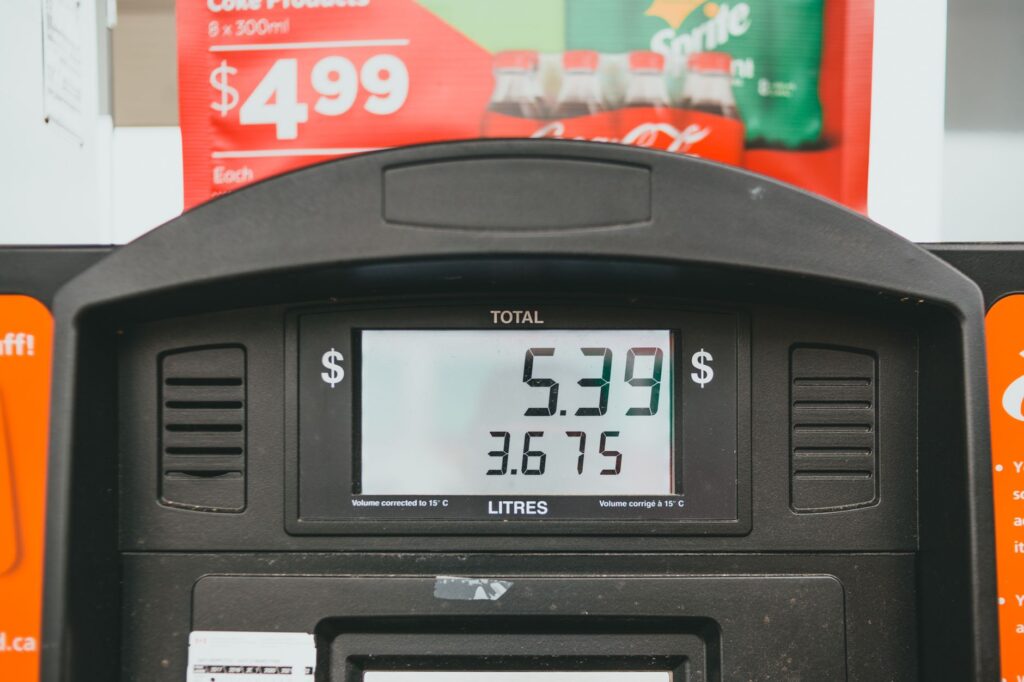

American motorists are facing renewed financial pressure at the pump this week as the U.S. national average for regular unleaded gasoline climbed back to $4.00 per gallon. This sudden price spike follows the rapid escalation of geopolitical tensions between the United States and Iran, which has effectively dismantled a short-lived maritime agreement in the Middle East.
The sudden reversal comes just one month after Washington and Tehran brokered a fragile diplomatic understanding. That deal, which aimed to secure safe passage through the vital Strait of Hormuz, briefly eased global supply anxieties and brought domestic fuel prices down from their summer peaks. Now, those gains have evaporated as military posturing and diplomatic friction resume in the Persian Gulf.
The Fragile Peace That Failed
To understand the current price surge, energy analysts point to the strategic importance of the Strait of Hormuz, a narrow waterway between Oman and Iran. Approximately 20 percent of the world’s petroleum liquid consumption passes through this chokepoint daily, making it the single most critical transit route for global oil supplies.
Under the agreement signed last month, Iran had committed to halting naval interceptions of commercial tankers in exchange for limited sanctions relief and the unfreezing of certain offshore assets. The deal immediately injected optimism into the energy markets, pulling global benchmark Brent crude down to the mid-$70s per barrel.
However, the agreement collapsed last week following a series of naval skirmishes and accusations of non-compliance from both sides. The subsequent reinstatement of aggressive maritime patrols by Iranian forces has prompted international shipping firms to reroute vessels or pay exorbitant war-risk insurance premiums, driving up the baseline cost of crude oil.
Market Reactions and Regional Disparities
The breakdown of diplomacy triggered an immediate reaction on Wall Street and global energy exchanges. West Texas Intermediate (WTI) crude, the U.S. benchmark, jumped 8% over a three-day trading window, settling above $88 per barrel, while Brent crude neared $93.
According to data from the American Automobile Association (AAA), the national average for a gallon of regular gas rose by 22 cents in just ten days. The speed of the increase has caught many retail distributors off guard, forcing rapid price adjustments at stations across the country.
The pain at the pump is not distributed evenly across the United States. While West Coast drivers in states like California and Washington are grappling with prices well over $5.00 a gallon, Gulf Coast states like Texas and Louisiana continue to hover around $3.50, though they are also experiencing upward pressure.
Expert Perspectives on Supply Vulnerabilities
“The energy market is highly sensitive to geopolitical risk, particularly when it involves the Strait of Hormuz,” said Sarah Jenkins, lead energy analyst at the Global Resources Group. “When a diplomatic safety valve is removed, the market immediately prices in the worst-case scenario of supply disruptions.”
Data from the U.S. Energy Information Administration (EIA) indicates that domestic oil production remains near record highs of 13.1 million barrels per day. However, because oil is a globally traded commodity, domestic abundance cannot fully shield American consumers from international price shocks.
Some economists warn that sustained $4.00 gasoline could complicate the Federal Reserve’s ongoing efforts to curb inflation. Higher fuel costs directly increase shipping and logistics expenses for consumer goods, potentially triggering secondary price hikes across the broader economy.
Economic and Political Implications
The return of $4.00 gasoline arrives at a sensitive time for the domestic economy. Consumer confidence index scores, which had shown modest improvements over the last quarter, are highly sensitive to energy costs, which act as a direct tax on household discretionary income.
Politically, the administration faces renewed scrutiny over its foreign policy strategy in the Middle East. Opponents argue that the short-lived deal with Iran failed to address long-term security concerns, while proponents maintain that diplomatic engagement remains the only viable path to preventing a broader regional conflict.
For commercial fleets and logistical networks, the price hike represents an immediate operational challenge. Major freight carriers are already preparing to reintroduce fuel surcharges, a move that will likely trickle down to consumer delivery fees by the end of the quarter.
What to Watch Next
In the coming weeks, market observers will closely monitor the deployment of additional U.S. naval assets to the Persian Gulf. The Pentagon has already hinted at increased maritime patrols to reassure commercial shipping companies, though such moves risk further aggravating tensions with Iranian forces.
Additionally, the upcoming OPEC+ ministerial meeting will serve as a critical indicator of global supply intentions. Whether major producers choose to increase output to stabilize prices or maintain current production cuts will largely determine if $4.00 gas is a temporary hurdle or the new baseline for the foreseeable future.