

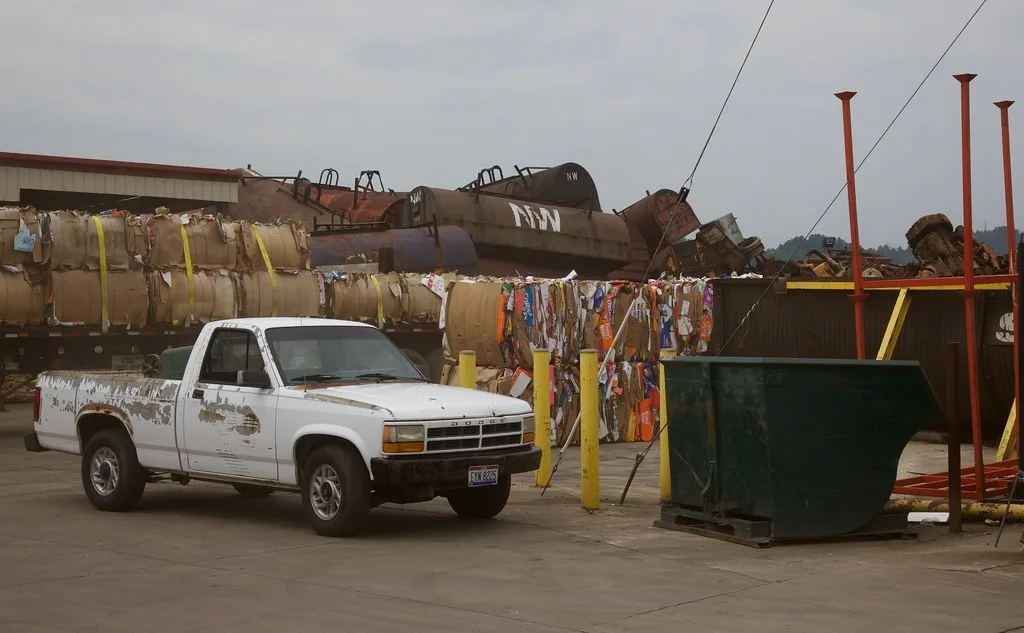
The Indian government is currently engaged in high-level diplomatic discussions with European Union officials to secure easier access to steel scrap exports, a strategic move intended to cushion the blow of the EU’s impending Carbon Border Adjustment Mechanism (CBAM). As Brussels prepares to enforce strict carbon levies on high-emission imports starting in 2026, New Delhi is positioning scrap metal as a critical lever to decarbonize its domestic steel industry and maintain export competitiveness.
The Weight of the Carbon Border Adjustment Mechanism
The EU’s Carbon Border Adjustment Mechanism is designed to prevent ‘carbon leakage,’ where companies shift production to countries with laxer environmental regulations. By imposing a levy on the carbon content of imported goods, the EU aims to level the playing field for its domestic producers.
For India, the world’s second-largest steel producer, the policy poses a significant threat to its trade relationship with Europe. The Indian steel sector relies heavily on coal-based blast furnace production, which is significantly more carbon-intensive than the electric arc furnace (EAF) methods utilized in Europe.
Strategic Shift to Circular Manufacturing
To align with global environmental standards, India is looking to transition toward EAF technology, which requires high-quality steel scrap as a primary feedstock. However, domestic scrap availability remains insufficient to meet the projected demand of a rapidly industrializing economy.
By requesting that the EU ease restrictions on the export of ferrous scrap, India aims to secure a steady supply chain for its green manufacturing transition. Currently, the EU maintains stringent regulations under the Waste Shipment Regulation, which prioritizes the retention of scrap within the bloc to support its own circular economy goals.
Economic Implications and Industry Challenges
Industry experts suggest that the integration of scrap-based steel production is the most viable pathway for Indian mills to reduce their carbon footprint quickly. According to data from the World Steel Association, utilizing recycled steel can reduce CO2 emissions by up to 58% compared to primary steel production.
Despite the potential benefits, the negotiations face significant hurdles. EU member states are protective of their internal scrap supply, viewing it as a vital resource for their own transition to ‘green steel.’ Furthermore, Indian producers must still navigate the logistical challenges of processing imported scrap, which requires significant infrastructure investment at ports and inland transport hubs.
Future Outlook and Market Dynamics
The outcome of these trade talks will likely dictate the speed at which the Indian steel sector can modernize its production facilities. Should the EU agree to preferential access or regulatory exemptions, Indian steelmakers could avoid the worst of the CBAM financial penalties, preserving their market share in Europe.
Looking ahead, market analysts are closely watching the upcoming trade ministerial meetings between the two regions for signs of a formal agreement. Observers should monitor whether India accelerates its domestic scrap collection policies, as the EU will likely tie any export concessions to reciprocal environmental commitments and internal sustainability reforms within the Indian steel industry.