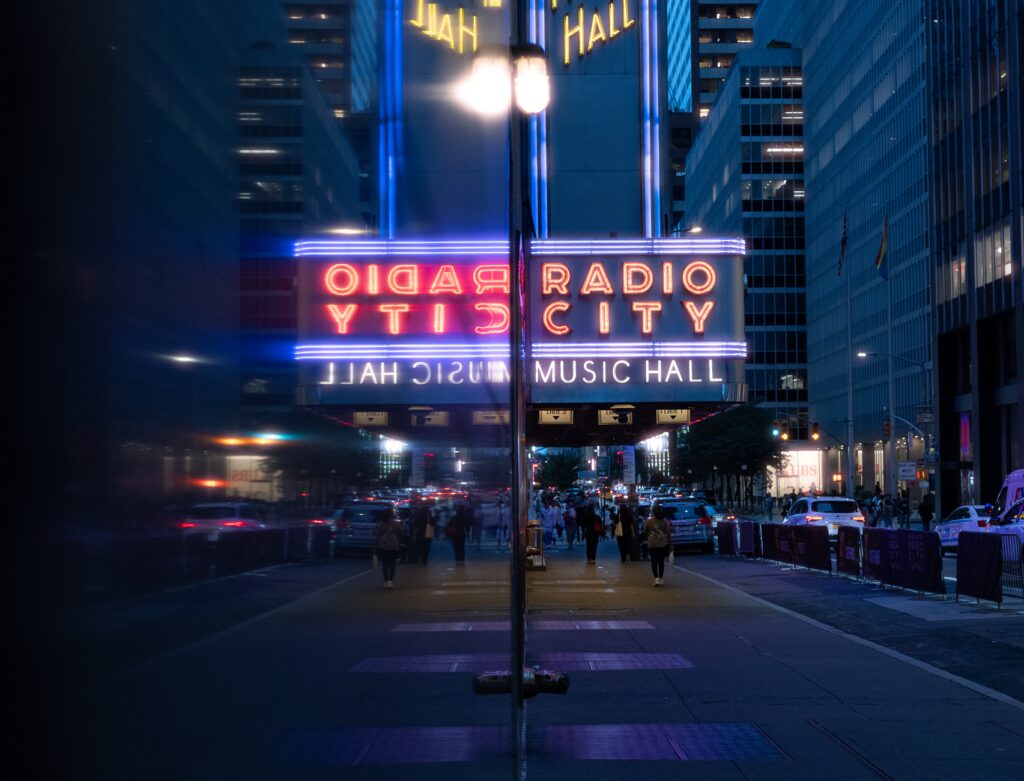

Madison Square Garden Entertainment filed a defamation lawsuit against Wired magazine’s publisher, Condé Nast, in the New York State Supreme Court on Tuesday. The entertainment giant claims a July article published by the technology magazine falsely accused the venue of tracking the sexual orientation of L.G.B.T.Q. celebrities for “discriminatory purposes.” The legal action seeks unspecified damages and a retraction of the article, marking a significant escalation in the ongoing tension between the iconic Manhattan venue and investigative media outlets.
The Roots of the Dispute
The controversy stems from a July report published by Wired that detailed the data collection and surveillance capabilities used by Madison Square Garden (MSG) at its various venues. MSG, which operates the famous Midtown Manhattan arena as well as the Radio City Music Hall, has faced intense public scrutiny over its aggressive deployment of facial recognition technology. The venue has previously used this technology to identify and bar attorneys representing clients in active lawsuits against MSG.
The state’s attorney general and local politicians have previously questioned MSG’s use of these security systems, calling them overreached and potentially illegal. This existing tension set the stage for the Wired investigation, which sought to uncover the full scope of the venue’s data gathering. However, MSG argues that the publication went beyond reporting on security measures and entered the realm of malicious falsehood.
According to the lawsuit, the Wired article crossed the line from reporting on surveillance to committing actionable defamation. MSG lawyers argue that the publication falsely suggested the company maintained a database specifically designed to track the sexual orientation of high-profile visitors. The venue maintains that its data collection practices comply with all state and federal regulations and are used solely for security and operational purposes.
MSG Defends Data Practices
In its complaint, MSG asserts that the magazine’s claims are entirely fabricated and designed to generate sensationalized headlines. The venue’s legal team argues that the implication of tracking L.G.B.T.Q. individuals for “discriminatory purposes” has caused severe reputational harm. “We do not track, catalog, or discriminate against any individual based on their sexual orientation,” an MSG spokesperson said in a statement following the filing.
The lawsuit details how the article allegedly mischaracterized internal documents and statements from former employees. MSG claims that Wired ignored clarifying information provided by the company prior to publication. The venue argues that the magazine acted with actual malice—the legal standard required for public figures to prove defamation—by publishing claims they knew to be false or recklessly disregarded the truth.
Condé Nast, the parent company of Wired, has stood by its reporting. In a brief statement, a spokesperson for the publisher defended the integrity of the journalism and expressed confidence that the court would uphold their First Amendment rights. This sets up a high-stakes legal battle between a major media empire and one of the world’s most powerful sports and entertainment conglomerates.
Legal Experts Weigh In on Defamation Standards
First Amendment advocates and legal scholars suggest that MSG faces an uphill battle in proving its case. Under U.S. media law, public entities must demonstrate that a publisher acted with a high degree of negligence or intentional falsehood. “The actual malice standard is a formidable barrier for corporate plaintiffs,” said media lawyer Sarah Jenkins, who is not involved in the case. “MSG will have to prove that Wired editors consciously doubted the veracity of their sources.”
Conversely, the lawsuit highlights the growing friction between large corporations and tech journalists investigating corporate surveillance. Privacy watchdogs note that while MSG’s lawsuit focuses on defamation, the underlying issue remains the lack of transparency surrounding private biometric databases. “Venues have immense power over who they let in, and the public has very little visibility into how their data is stored,” said Albert Fox Cahn, executive director of the Surveillance Technology Oversight Project.
Broad Implications for Media and Tech Surveillance
The outcome of this lawsuit could have far-reaching consequences for how journalists report on corporate data practices. A ruling in favor of MSG could embolden other corporations to use defamation lawsuits to chill investigative reporting on proprietary technology. Conversely, a dismissal of the suit would reinforce strong protections for journalists reporting on matters of public interest and corporate accountability.
For the entertainment and hospitality industries, the case underscores the legal risks associated with advanced surveillance tools. As more venues adopt facial recognition and data-tracking systems, they face heightened scrutiny from both regulators and the public. Companies must balance security needs with privacy rights, or risk facing both public backlash and costly legal battles.
What to Watch Next
As the case moves to the discovery phase, legal observers will watch whether Wired is forced to reveal its confidential sources or internal editorial communications. The New York State Supreme Court is expected to schedule a preliminary hearing in the coming weeks to address Condé Nast’s anticipated motion to dismiss. Meanwhile, state legislators in New York continue to debate bills that would restrict the commercial use of biometric surveillance, a move that could render MSG’s current tracking practices obsolete regardless of the lawsuit’s outcome.