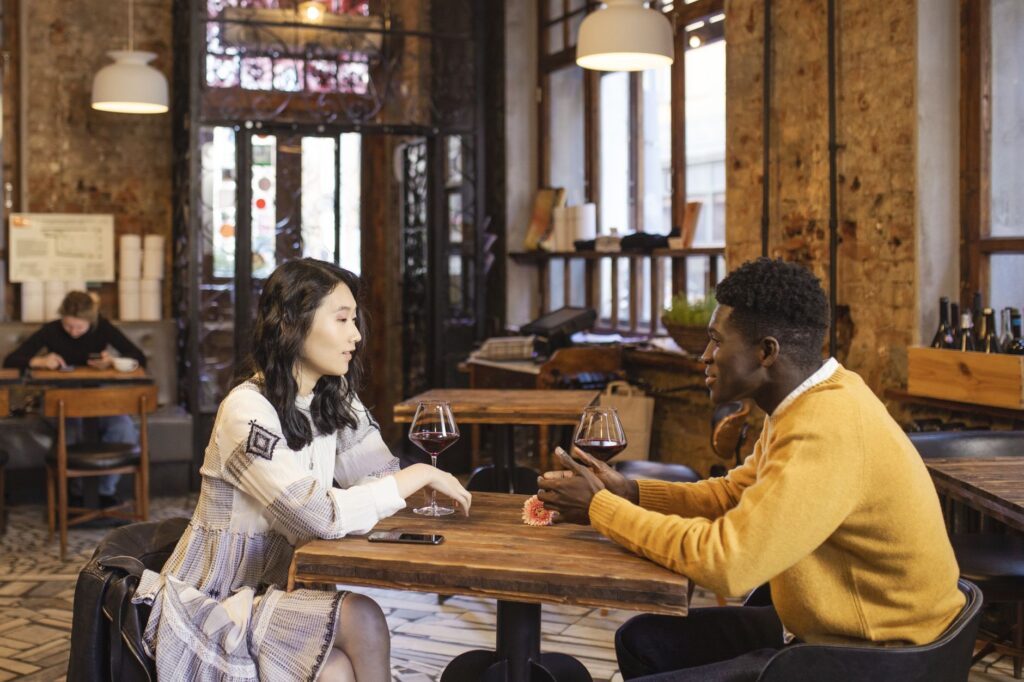

Dating in America has reached a financial tipping point. As of early 2024, the average cost of a traditional date night in the United States has soared to an unprecedented $189, driving young singles in major metropolitan areas like New York City to abandon classic dinner-and-drinks plans. In search of connection without financial strain, Gen Z and Millennial daters are pivoting toward the ‘$7 coffee date’ as their primary way to meet new people.
The Inflationary Price of Romance
The surging cost of courtship is a direct reflection of broader economic pressures. Over the past three years, menu price inflation, rising transport costs, and the elevated price of drinks have quietly transformed dating into a luxury activity. According to consumer price index data, restaurant prices have consistently outpaced general inflation, leaving young consumers with less disposable income for leisure.
For young adults living in high-cost cities, the financial burden is particularly acute. In New York, Los Angeles, and Chicago, a standard date consisting of ride-shares, two entrees, and a couple of cocktails can easily surpass the national average, pushing past $200. This reality has forced a rapid reassessment of how young people approach early-stage dating.
The Rise of ‘Low-Stakes’ Dating
To mitigate these financial risks, young singles are redefining the rules of engagement. The $7 coffee date has emerged as the premier alternative, offering a low-cost, low-commitment environment. Daters report that meeting at a local cafe reduces the pressure to perform that often accompanies an expensive sit-down dinner.
This shift is not just about saving money; it is also about time management and emotional efficiency. If a match from a dating app lacks chemistry in person, a coffee date can easily be wrapped up in thirty minutes. Conversely, an awkward dinner date requires sitting through multiple courses and navigating a hefty bill at the end of the night.
Furthermore, the ‘sober curious’ movement among younger generations has contributed to the decline of the traditional bar date. With more young adults choosing to limit their alcohol consumption, noisy bars are losing their appeal as first-date venues. Quiet coffee shops provide a more conducive environment for genuine conversation.
What the Data and Experts Say
Recent industry reports support this cultural shift. Data from major dating platforms, including Hinge and Bumble, indicate that ‘inflationary dating’—where singles are highly transparent about their budget limitations—is a dominant trend. A recent survey revealed that over 57% of singles under the age of 30 prefer low-cost, casual settings for a first encounter.
Financial therapists note that dating anxiety is increasingly tied to bank account balances. Relationship experts explain that when a single date represents a significant portion of a weekly grocery budget, it ceases to be fun. The coffee date democratizes dating again, lowering the barrier to entry for those with student loans or entry-level salaries.
This financial pragmatism is also dismantling old dating etiquettes. The traditional expectation of who pays is shifting toward split bills or alternating rounds, particularly when the initial investment is as low as a cup of coffee.
How the Hospitality Industry is Adapting
The shift in dating habits is sending ripples through the hospitality sector. Mid-tier restaurants that once relied on couples for weekend evening rushes are reporting a dip in reservations from younger demographics. To combat this, some establishments are introducing ‘date night’ promotional packages, offering fixed-price menus or shared-plate discounts to entice budget-conscious lovers.
Meanwhile, local coffee shops and daytime cafes are capitalizing on the trend. Many are extending their afternoon hours and curating cozy, intimate seating arrangements to appeal to the dating crowd. Some independent bookshops and cafes have even begun hosting singles mixers and low-cost daytime events to foster community connections.
What to Watch Next
Looking ahead, the trend of budget-conscious romance is expected to evolve beyond the coffee shop. As spring and summer approach, outdoor activities like park picnics, museum free-admission days, and community walking tours are projected to rise in popularity. Dating apps are also likely to adapt, potentially introducing features that allow users to filter matches based on preferred date styles or budget ranges.
Ultimately, the rise of the $7 coffee date highlights a resilient generation finding creative ways to foster human connection in a challenging economy. While the era of the lavish first date may be on pause, the desire for romance remains as strong as ever, proving that meaningful chemistry does not require a triple-digit price tag.