
In June 2026, U.S. consumer inflation cooled more than economists anticipated as a sharp decline in gasoline prices offset previous energy-driven spikes, offering temporary relief to households and policymakers alike. The Bureau of Labor Statistics (BLS) reported on Tuesday that the Consumer Price Index (CPI), which measures a broad basket of everyday goods and services, fell 0.4% on a monthly basis. This marked the largest single-month decline since April 2020 and dragged the annual inflation rate down to 3.5%, signaling a notable shift in the macroeconomic landscape.
Geopolitical Pressures and Household Strain
The sudden deceleration in consumer prices follows months of intense upward pressure driven by geopolitical conflict. A military escalation involving Iran earlier this year had severely disrupted global energy markets, sending shockwaves through the U.S. economy and driving up the cost of manufacturing, shipping, and daily commuting.
Prior to this June pullback, American households faced severe financial strain, with the rising cost of living forcing many to alter their spending habits. Lower-income families, who spend a disproportionate share of their income on basic necessities like food and rent, have been hardest hit. Recent economic data indicates a growing number of consumers have turned to credit cards to cover basic grocery bills as their savings dwindled.
Energy Slump Drags Down Headline Figures
According to the BLS, the primary driver behind June’s cooler inflation print was a sharp retreat in the energy sector. The overall energy index plunged 5.7% on a monthly basis, representing its most significant one-month drop since the onset of the pandemic in April 2020. Despite this monthly decline, energy costs remain 15.7% higher than they were a year ago.
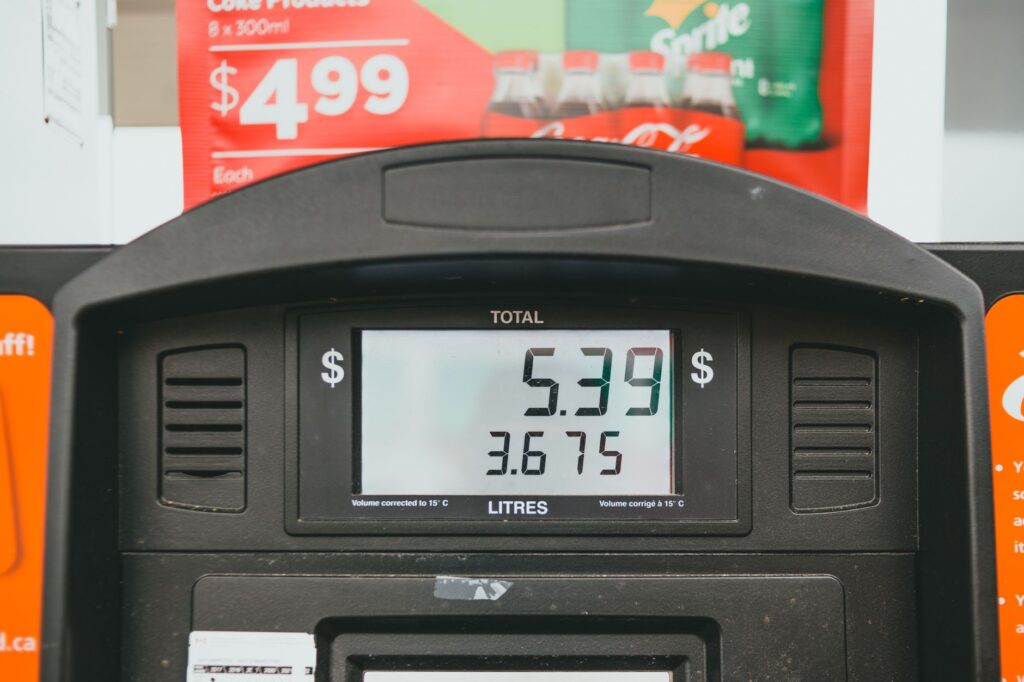
Gasoline prices fell 9.7% in June, though they remain up 26.7% on an annual basis. Other energy components showed mixed results, as electricity prices fell 1% over the month, while utility gas service prices rose 0.5%. The substantial drop in fuel costs effectively neutralized minor price increases across other major sectors, including housing and food.
Food and Housing Show Signs of Moderation
Food prices rose by a modest 0.2% in June, bringing the annual increase to 3%. Within the grocery store, price movements varied significantly by category. The index for meats, poultry, and fish grew 0.4% in June, driven largely by a 1.2% monthly surge in beef and veal prices, which are now up 11.8% year-over-year.
Egg prices rose 4.3% in June, yet they remain 27.9% lower than last year as poultry farms normalized production following a devastating avian influenza outbreak. Meanwhile, the cost of fruits and vegetables dipped 0.2% over the month, though they remain up 5.3% annually.
In the housing market, shelter costs—a notoriously sticky component of inflation—rose just 0.1% on a monthly basis. This represented the smallest one-month change in shelter costs since January 2021, offering hope that rental pressures may finally be easing. Annually, housing costs are up 3.3%, while tenants’ and household insurance costs rose 0.2% in June.
Core Inflation and the Federal Reserve’s Dilemma
Core CPI, which excludes volatile food and energy measurements to provide a clearer picture of long-term price trends, was unchanged from May and rose 2.6% from a year ago. Both metrics came in below Wall Street expectations, as economists polled by LSEG had projected a 0.2% monthly increase and a 2.8% annual gain.
The cooler-than-expected data has significantly altered expectations for Federal Reserve monetary policy. Prior to the report, persistent inflation had fueled concerns that the central bank might need to raise interest rates further to cool the economy.
“The Fed was losing patience with high inflation, and today’s cooler-than-expected report gives them room to breathe,” said Ellen Zentner, chief economic strategist for Morgan Stanley Wealth Management. Zentner noted that the downside surprise relieves immediate pressure on the Federal Open Market Committee (FOMC), allowing policymakers to maintain their current wait-and-see stance through their next meeting.
Market Reactions and Future Outlook
Financial markets responded swiftly to the inflation data. According to the CME FedWatch tool, the probability that the Fed will hold interest rates steady at its current target range of 3.5% to 3.75% at the late July meeting jumped to 85.6%, up from 58.3% just a day prior. Traders now price in a 0% chance of a rate cut by the end of the year, with a 42.2% chance of a 25-basis-point hike and a 29.7% chance of 50-basis-points worth of hikes by December.
While the June report offers temporary relief, economists warn that the threat of inflation has not entirely receded. The ongoing geopolitical situation in the Middle East remains a critical wild card for energy markets.
Jeffrey Roach, chief economist for LPL Financial, cautioned that the economy may still be at an inflection point. Roach emphasized that the risk of energy shocks spilling over into other consumer categories remains high, making a positive resolution to the conflict with Iran before the end of the summer increasingly vital for long-term price stability.
Moving forward, investors and policymakers will closely watch upcoming retail sales data and late-summer employment reports. These indicators will reveal whether consumer demand is cooling sufficiently to lock in these inflation gains, or if a resurgence in energy costs will force the Federal Reserve to resume its aggressive tightening campaign in the autumn.