




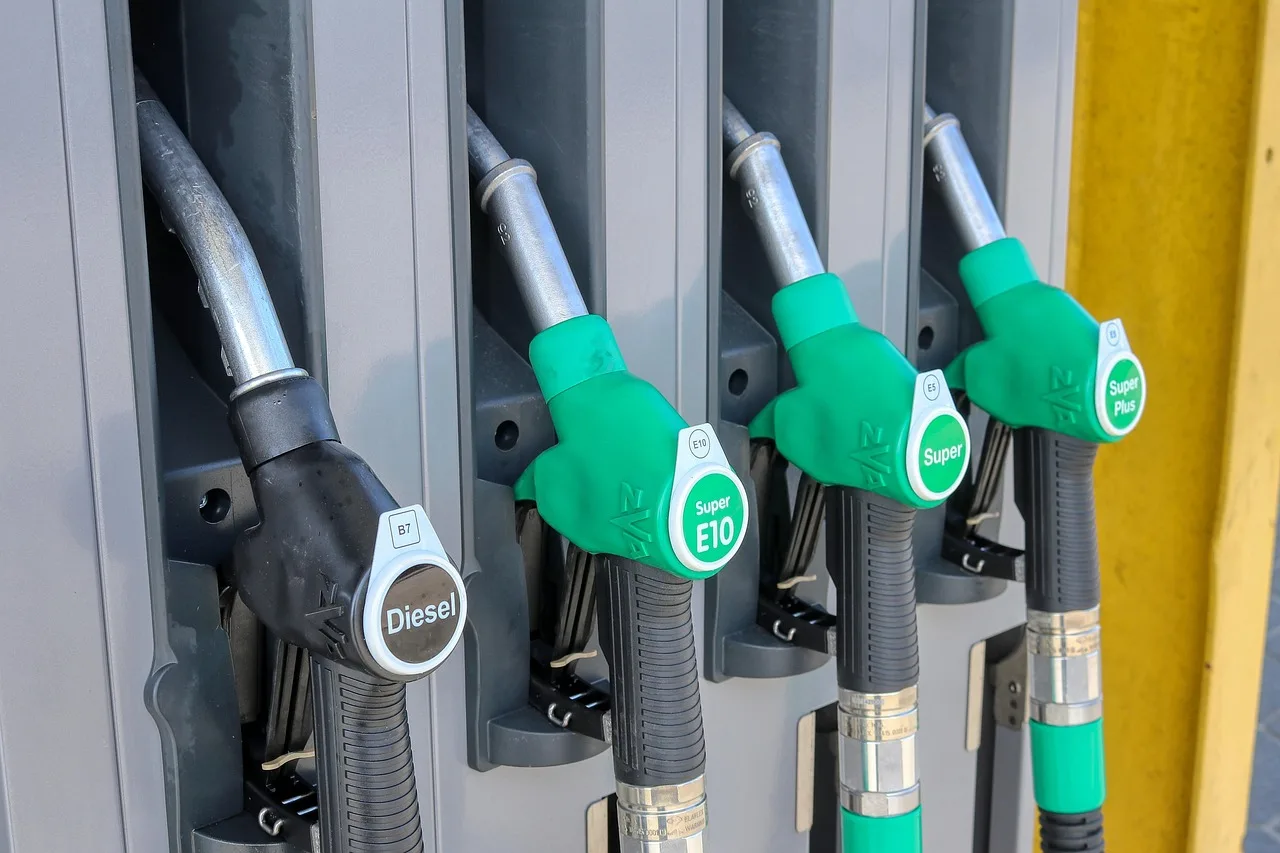
The Indian government is set to introduce a mandatory blending requirement for isobutanol in diesel fuel before the end of this calendar year, according to V. Umashankar, Secretary of the Ministry of Road Transport and Highways. This strategic initiative, announced on Friday, aims to bolster national energy security while accelerating the decarbonization of the country’s vast road and highway transportation network.
The Shift Toward Bio-Fuel Integration
For decades, India has relied heavily on imported crude oil to meet its domestic energy demands, making the economy vulnerable to global price volatility. By integrating biofuels like isobutanol into the diesel supply chain, the government seeks to reduce its import dependency and lower the carbon intensity of the transport sector.
Isobutanol, a four-carbon alcohol, is increasingly viewed as a superior alternative to traditional ethanol for diesel engines. Unlike ethanol, which can cause corrosion and compatibility issues in high-pressure diesel injection systems, isobutanol possesses a higher energy density and better water tolerance, making it more compatible with existing engine infrastructure.
Technical and Economic Advantages
Industry analysts point to the unique chemical properties of isobutanol as a key driver for this policy shift. Research indicates that isobutanol can be blended at higher concentrations than ethanol without requiring significant modifications to standard diesel engines, thereby facilitating a smoother transition for commercial fleet operators.
Data from the International Energy Agency (IEA) suggests that bio-blending mandates are critical for emerging economies aiming to meet net-zero targets by 2050. By leveraging agricultural waste and biomass—the primary feedstocks for isobutanol production—India can simultaneously support its agrarian economy and meet rising fuel demands.
Strategic Implications for the Industry
The impending mandate presents both challenges and opportunities for oil marketing companies and automotive manufacturers. Refineries will need to calibrate their blending facilities to handle the new fuel composition, while engine manufacturers must ensure that fleet performance remains consistent under varying environmental conditions.
For the logistics and transportation industry, this transition represents a push toward greener supply chains. As carbon reporting standards become more stringent for large corporations, the ability to utilize cleaner-burning diesel blends will become a competitive advantage, potentially lowering the environmental footprint of heavy-duty freight transport.
Future Outlook and Implementation
Observers are now watching for the specific implementation timeline and the percentage of blend required under the new mandate. The government is expected to release detailed technical guidelines in the coming months, which will clarify the phase-in period for fuel distributors and the impact on retail diesel prices.
Moving forward, the success of this policy will depend on the scalability of domestic isobutanol production and the establishment of a robust supply chain to support the mandated levels. If successful, India may serve as a global model for large-scale biofuel adoption in heavy-duty transportation, setting a precedent for other nations to follow as they navigate the transition away from pure fossil fuels.