
India’s wholesale inflation accelerated to a higher-than-expected 9.87% in June, driven primarily by a sharp spike in food and primary article prices. The Department for Promotion of Industry and Internal Trade (DPIIT) released the official data on Tuesday, July 14, in New Delhi, signaling intensifying price pressures across the Indian economy that surpassed consensus market forecasts.
The Drivers Behind the Surge
According to the DPIIT report, the surge in the Wholesale Price Index (WPI) was led by a substantial increase in food inflation, which climbed to 6.14% in June from 4.49% in May. This rapid escalation reflects rising costs of essential agricultural commodities, heavily impacting household budgets and wholesale supply chains.
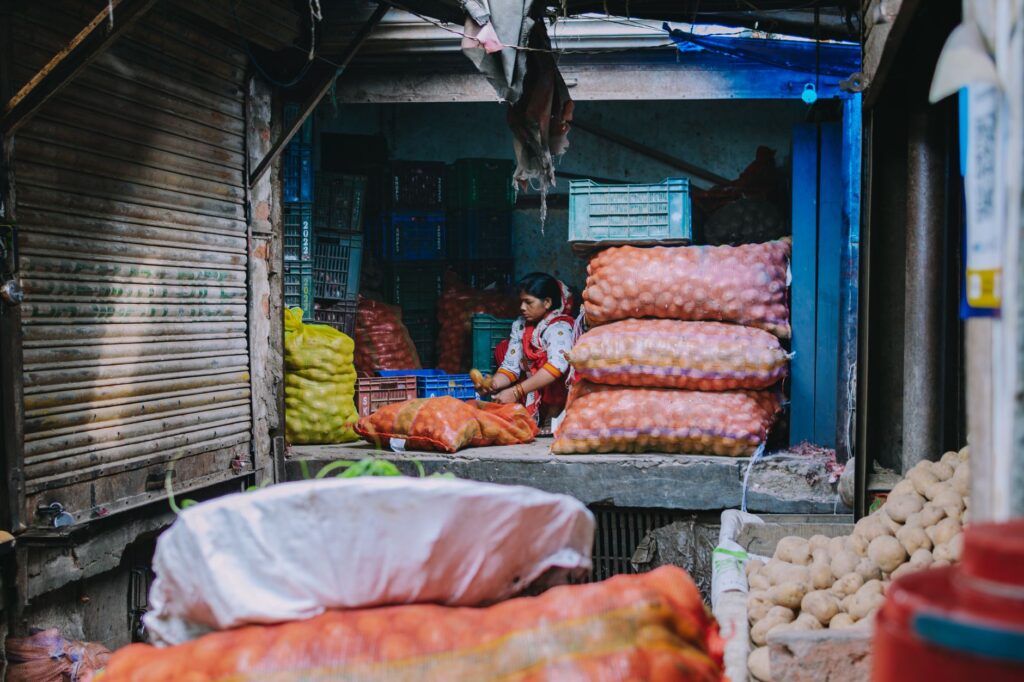
Specifically, price increases in key vegetables like tomatoes, onions, and potatoes have driven the food basket higher. Additionally, cereal and pulse prices have remained elevated due to lower-than-expected sowing yields in previous crop cycles.
Simultaneously, inflation in primary articles accelerated to 7% in June, up from 4.99% in the previous month. Primary articles, which include crude petroleum, natural gas, minerals, and non-food crops, represent a foundational cost component for the broader industrial sector.
The fuel and power segment also exhibited persistent pressure, as global energy markets continued to fluctuate. Manufacturing products, which hold the largest weight in the WPI basket, showed moderate price hikes, indicating that raw material costs are beginning to pass through to finished goods.
Contextualizing the Economic Impact
The unexpected jump to 9.87% caught many market analysts off guard, as most pre-release polls estimated a more moderate trajectory. The sudden upward trajectory marks a shift from the relatively stable wholesale price environment observed earlier in the fiscal year.
Historically, India’s wholesale inflation has shown high volatility due to its sensitivity to international crude oil prices and domestic agricultural outputs. The current spike highlights the vulnerability of the domestic supply chain to external shocks and localized weather disruptions.
Economists track wholesale inflation closely as it serves as a leading indicator for the Consumer Price Index (CPI), or retail inflation. When wholesale costs rise, manufacturers and distributors typically pass these expenses onto consumers, suggesting retail prices may face upward pressure in the coming months.
This inflationary spike comes at a delicate time for the Indian economy, which has been navigating uneven post-pandemic recovery cycles. Supply chain bottlenecks, coupled with erratic monsoon patterns in key agricultural belts, have disrupted the steady supply of perishable goods.
Expert Perspectives and Sectoral Analysis
Financial analysts point out that the jump in food prices is largely seasonal but exacerbated by climate factors. Delayed rainfall in some regions followed by extreme precipitation in others has severely impacted vegetable harvests and transport logistics.
According to data from the Ministry of Agriculture, sowing of summer crops has lagged behind historical averages in several states, compounding fears of structural supply deficits. This has prompted calls for targeted government measures, including import duty adjustments and subsidized distribution of key commodities.
“The sharp rise in primary articles and food inflation indicates that supply-side interventions are urgently needed,” says Radhika Rao, a senior economist specializing in South Asian markets. “If these supply disruptions persist, the Reserve Bank of India may have to adjust its monetary policy stance sooner than expected.”
Industrial associations have also expressed concern over the rising cost of raw materials. Manufacturers fear that absorbing these costs will squeeze profit margins, while passing them on to consumers could dampen domestic demand during the upcoming festive season.
Implications for Monetary Policy and Markets
The Reserve Bank of India (RBI) faces a complex challenge as it balances growth objectives with the mandate of price stability. While the central bank primarily targets retail inflation, the surge in wholesale prices limits its room for maneuver regarding interest rate cuts.
Market observers suggest that the central bank will likely maintain its hawkish stance, holding policy rates steady in its next monetary policy committee meeting. Prolonged high interest rates could slow down capital expenditure and private investment in the medium term.
For retail consumers, the immediate outlook points to higher grocery bills, particularly for vegetables, pulses, and edible oils. Retailers are already adjusting shelf prices to match the wholesale realities, threatening to erode middle-class purchasing power.
What to Watch Next
In the coming weeks, analysts will closely monitor the progress of the southwest monsoon, which plays a pivotal role in determining agricultural output and subsequent food price stabilization. A evenly distributed rainfall pattern could ease food supply constraints and help cool wholesale food inflation by late autumn.
Additionally, global commodity price trends, particularly crude oil and fertilizers, will remain critical factors. Any escalation in geopolitical tensions could further disrupt supply chains, keeping primary article inflation elevated.
Finally, the upcoming retail inflation data release will reveal the extent to which these wholesale pressures have permeated the broader consumer market. Policymakers and investors alike will scan these figures for clues on the future trajectory of India’s macroeconomic health.