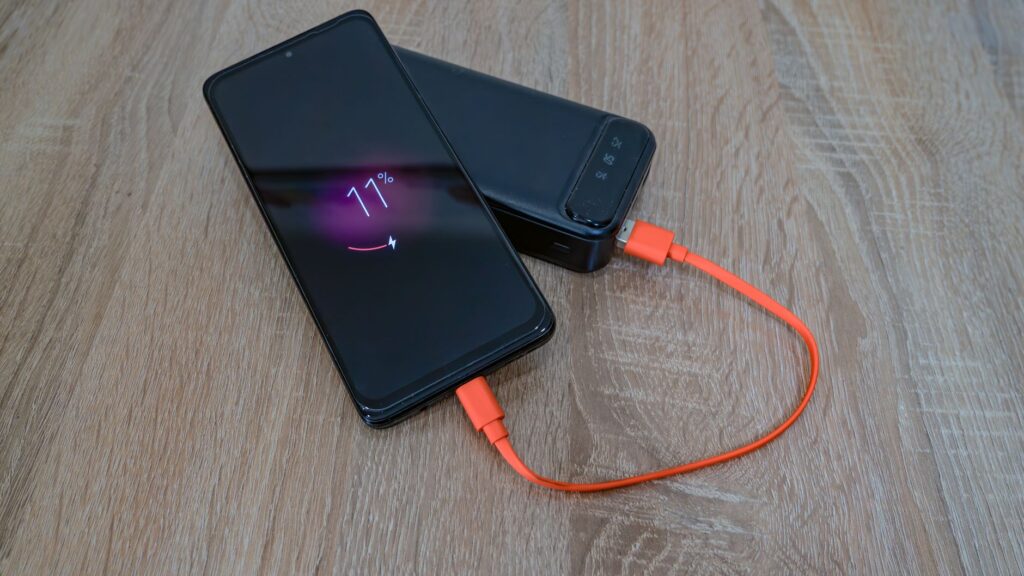

The U.S. Consumer Product Safety Commission (CPSC) issued a nationwide recall of approximately 1,400 Flaunt MagSafe-compatible battery chargers following multiple reports of the devices overheating, catching fire, and causing burn injuries. The federal agency announced the urgent safety recall after confirming that the portable power banks pose a severe risk of fire, property damage, and personal injury.
The affected products, manufactured under Model Number E33A, were sold online via the official Flaunt website from May 2024 through April 2025 for approximately $65. Federal regulators are advising all consumers who purchased these chargers to stop using them immediately and take specific steps to dispose of them safely.
Identifying the Recalled Devices
The recall specifically impacts the Flaunt MagSafe power banks, which were distributed in four distinct colors: melon, black, lavender, and white. To help consumers identify if they own a hazardous unit, the CPSC noted that the word ‘FLAUNT’ is engraved on the front right side of the power bank, with a small circular button located at the bottom center of the front panel.
According to the official recall notice, there have been five documented reports of the power banks overheating and igniting. These incidents resulted in at least two recorded personal injuries, including one burn to a consumer’s hand and another burn to an individual’s arm, alongside four reports of minor property damage.
The Science Behind Lithium-Ion Thermal Runaway
The root cause of the recall lies in the volatile nature of the lithium-ion batteries housed inside the compact chargers. Battery experts explain that these power sources can experience a phenomenon known as thermal runaway, where an internal short circuit or manufacturing defect triggers an uncontrolled increase in temperature.
‘Lithium-ion batteries pack a high energy density into a very small space,’ says Dr. Aris Thorne, an independent battery safety consultant. ‘When a cell fails or overheats, it can release flammable gasses and intense heat almost instantly, leading to rapid ignition that is difficult to extinguish with standard household methods.’
The CPSC has increasingly targeted portable power accessories in recent years as the market for third-party smartphone peripherals has boomed. The agency’s data indicates a rising trend in battery-related incidents, prompting stricter oversight of online direct-to-consumer electronic brands.
Critical Disposal and Refund Instructions
Flaunt has committed to offering full refunds to all affected customers who submit proof of possession and agree to dispose of the product. However, both the manufacturer and federal safety officials emphasize that these recalled batteries must not be discarded through standard waste management channels.
‘Do not throw this recalled power bank with a lithium-ion battery in the trash, the general recycling stream, or used battery recycling boxes found at retail stores,’ the CPSC warned in its official public statement. Because damaged or recalled lithium-ion batteries present an elevated risk of starting landfill and garbage truck fires, they must be taken to specialized municipal hazardous waste collection centers.
Environmental safety advocates point out that improper disposal of lithium-ion batteries remains one of the leading causes of modern waste facility fires. By requiring specialized disposal, regulators hope to prevent broader municipal infrastructure damage while facilitating the safe recycling of active chemical components.
Broader Implications for the Consumer Electronics Market
This recall highlights a growing debate surrounding the quality control of third-party magnetic and wireless charging accessories. As major smartphone manufacturers transition away from including wall adapters and charging cables in their retail packaging, the market for affordable, stylish third-party alternatives has expanded exponentially.
While these accessories offer convenience and aesthetic appeal, industry analysts warn that smaller lifestyle brands often lack the rigorous testing infrastructure maintained by larger, established hardware manufacturers. This gap in quality assurance can lead to design flaws slipping through to production, particularly in high-stress components like magnetic induction chargers.
Moving forward, regulatory bodies are expected to scrutinize online marketplaces and direct-to-consumer platforms more aggressively to ensure compliance with voluntary safety standards, such as Underwriters Laboratories (UL) certifications. Consumers are increasingly encouraged to verify safety markings on portable power banks before purchasing, looking for verified third-party laboratory seals to mitigate the risk of household hazards.
In the coming months, industry watchers will monitor how online retailers adapt to stricter liability policies regarding the distribution of uncertified electronic accessories. As battery technology continues to push the limits of speed and capacity, the balance between rapid charging convenience and consumer safety will remain a primary focus for regulatory agencies and product designers alike.