
WASHINGTON — Newly appointed Federal Reserve Chairman Kevin Warsh faces his first major policy crucible this week as he prepares to testify before Congress amid a resilient U.S. economy and stubborn inflation. The high-stakes appearance comes as central bank policymakers openly debate whether to undo last year’s interest-rate cuts, a move that would signal a dramatic shift in monetary policy. With financial markets hanging on every word, Warsh has yet to tip his hand regarding his regulatory leaning.
The Path to the Policy Crossroads
Last year, the Federal Reserve embarked on a series of rate cuts designed to ease borrowing costs as inflation appeared to be cooling toward its target 2% rate. Economic indicators, however, have since disrupted that trajectory, forcing a reevaluation of the central bank’s strategy.
Recent economic data shows consumer spending remains robust and the labor market continues to defy recessionary forecasts. At the same time, core inflation measures have plateaued above the central bank’s comfort zone, complicating the Fed’s previous path toward normalization.
This divergence leaves the Federal Open Market Committee (FOMC) in a delicate position. Maintaining higher rates for longer risks dampening economic growth, while cutting too quickly could entrench inflationary pressures permanently into the domestic economy.
A Divided Wall Street and Central Bank
Economists are sharply divided on the Fed’s next move, with some arguing that a rate hike must remain on the table to curb persistent price pressures. Others caution that premature tightening could destabilize regional banks and cool the housing market further.
Warsh’s upcoming testimony represents his first public opportunity to define his leadership style and economic philosophy. Investors are searching for clues on how he weighs the dual mandate of maximum employment and price stability under these new economic realities.
Historically, Warsh has leaned toward hawkish monetary policy, emphasizing the dangers of long-term inflation. However, the unique post-pandemic economic landscape may force a more pragmatic, data-dependent approach from the new chairman.
Data Points and Market Sentiment
According to the latest Consumer Price Index (CPI) report, core inflation rose by 3.2% year-over-year, remaining stubbornly above the Fed’s 2% target. Conversely, gross domestic product (GDP) grew at an unexpected annualized rate of 2.8% in the last quarter, signaling underlying economic strength.
“The Fed is in a corner,” says Sarah Jenkins, chief market strategist at Apex Advisory Group. “They cut rates expecting inflation to slide quietly back to earth, but the economy is simply running too hot to justify further easing.”
Bond yields have already adjusted to this reality, with the 10-year Treasury note climbing back above 4.2% as traders price in the probability of a “higher-for-longer” interest rate environment. Fed fund futures now show a growing probability of a rate hike by mid-year, a stark contrast to expectations six months ago.
What to Watch Next
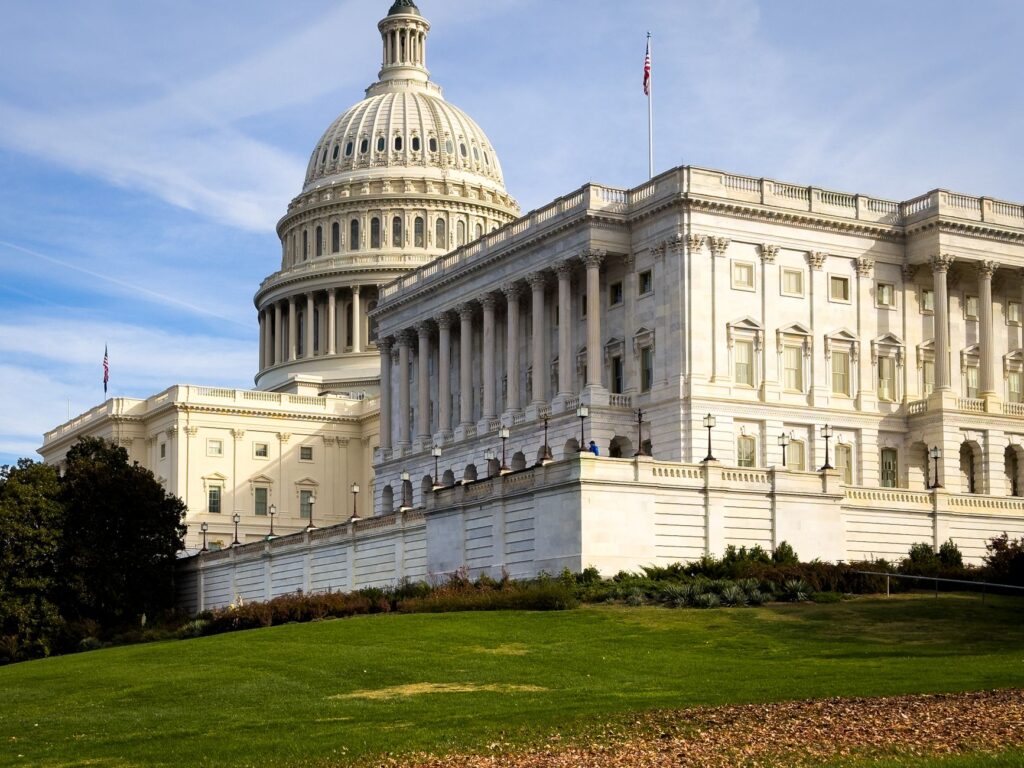
The immediate focus turns to Capitol Hill, where Warsh’s testimony will likely trigger intense questioning from lawmakers on both sides of the aisle. Democrats are expected to press the Chairman on keeping borrowing costs affordable for consumers, while Republicans will likely demand aggressive action to curb inflation.
For consumers, the outcome of this policy debate will directly impact mortgage rates, auto loans, and credit card interest. A decision to hold or raise rates will keep borrowing costs elevated, squeezing household budgets but potentially cooling the cost of everyday goods.
Over the coming weeks, market participants will scrutinize upcoming employment reports and retail sales data to gauge the economy’s momentum. Any signs of cooling could give Warsh the breathing room needed to maintain current rates, while continued strength will almost certainly force the Fed’s hand toward a rate reversal.