
Strategic Geography as a Catalyst for Growth
West Bengal is currently positioning itself as a central node in India’s economic landscape by leveraging its unique geographic proximity to Southeast Asian markets. Economists at the Export-Import Bank of India identify the state’s multi-national borders as a foundational asset for the national ‘Act East’ policy, signaling a potential shift toward localized industrial and logistical expansion throughout 2024 and beyond.
The Context of Connectivity
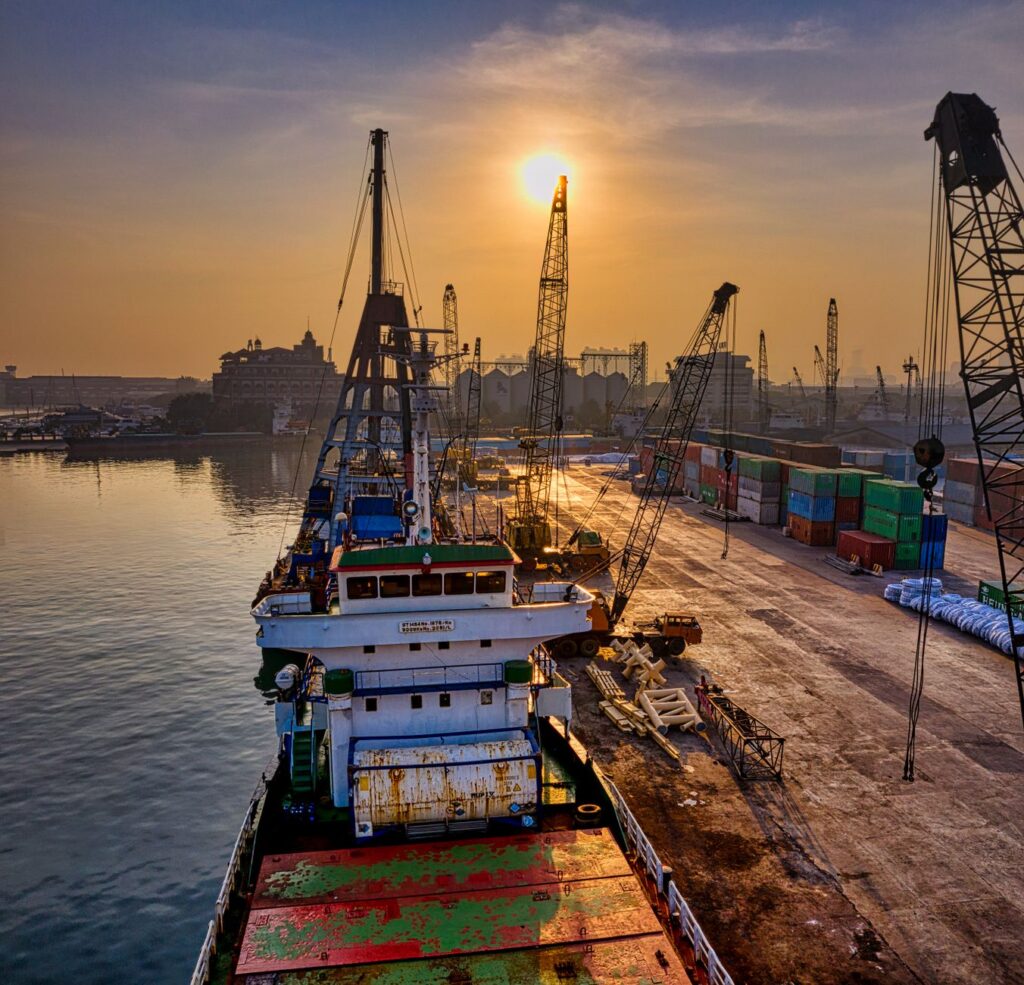
Historically, West Bengal served as the primary gateway to eastern India, though industrial growth slowed in the late 20th century. Recent infrastructure investments, including the modernization of the Kolkata and Haldia port complexes and improved cross-border road networks, have revitalized interest in the region. These developments are essential to integrating the state into the broader regional supply chains of Bangladesh, Nepal, and Bhutan.
Expanding the Economic Horizon
The state’s economic potential rests on its ability to transform from a transit point into a manufacturing and logistics hub. By facilitating seamless trade routes, West Bengal can reduce the cost of doing business for companies looking to bypass traditional, congested maritime routes. This shift is supported by increasing investments in special economic zones that focus on agro-processing, textiles, and light engineering.
Data from the Ministry of Commerce suggests that states with high connectivity to regional neighbors often see a 15% increase in export activity within five years of infrastructure maturation. West Bengal’s proximity to landlocked markets in the North East of India further cements its role as a indispensable bridge for regional distribution.
Expert Perspectives on Regional Trade
Rahul Mazumdar, an economist with the Export-Import Bank of India, emphasizes that the state possesses significant ‘growth headroom’ that remains largely untapped. He notes that the synergy between India’s Act East policy and the regional integration of the Bay of Bengal Initiative for Multi-Sectoral Technical and Economic Cooperation (BIMSTEC) provides a ready-made framework for development. Analysts argue that if the state successfully streamlines customs and logistics, it could capture a significant portion of the shifting manufacturing base currently diversifying away from traditional hubs.
Future Implications and Regional Stability
For stakeholders, the primary focus remains on the implementation of multimodal connectivity projects. Investors are closely watching the progress of the India-Myanmar-Thailand Trilateral Highway, which will likely dictate the speed at which West Bengal can integrate its local markets into the ASEAN trade zone. The next phase of development will depend on the state’s ability to attract foreign direct investment by simplifying land acquisition processes and ensuring consistent energy supply. Observers should monitor upcoming trade summits and infrastructure project milestones in the region as indicators of long-term commercial viability.