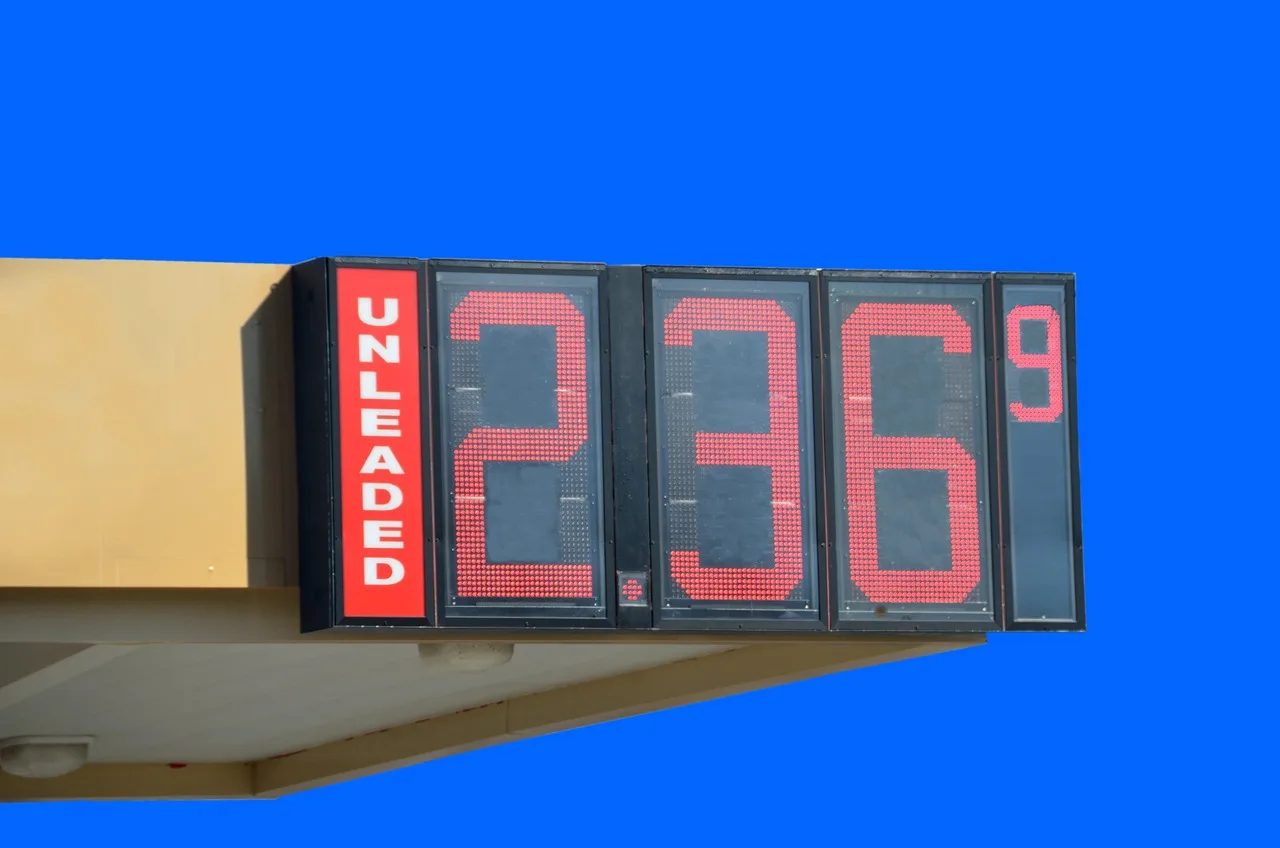





Indraprastha Gas Limited (IGL) has increased Compressed Natural Gas (CNG) prices by Re 1 per kg across the Delhi-NCR region, effective May 17, 2026. This move marks the third price hike in just ten days, pushing the cost of CNG in Delhi past the Rs 80-per-kg threshold for the first time. The decision follows a period of intense global energy market instability driven by the ongoing West Asia conflict and the closure of the Strait of Hormuz.
Understanding the Drivers of Gas Price Inflation
The recent price escalation is primarily linked to the geopolitical crisis in the Middle East, which has severely disrupted global energy supply chains. Because the Strait of Hormuz serves as a critical maritime chokepoint for global oil and gas shipments, its closure has led to a significant spike in input gas costs. IGL officials cited both the rising cost of imported gas and the steep appreciation of the U.S. dollar against the rupee as the primary catalysts for the retail price adjustments.
Impact on Consumers and Public Transportation
The cumulative effect of these hikes places a mounting financial burden on daily commuters and the logistics sector. With CNG now costing Rs 80.09 per kg in Delhi and Rs 88.70 per kg in Noida and Ghaziabad, owners of auto-rickshaws, taxis, and private CNG vehicles are facing significantly higher daily operational expenses. The impact extends to public transit networks, as a substantial portion of the region’s bus and cab fleets relies on CNG to maintain affordable service levels.
Broader Trends in the Indian Energy Sector
This inflationary trend is not limited to CNG, as state-owned oil marketing companies (OMCs) have also begun revising petrol prices after a 76-day period of absorbing costs. The divergence in fuel pricing across state lines has become more pronounced; for example, petrol prices in Andhra Pradesh, Telangana, and Kerala have surged past Rs 112 per litre, while states like Uttar Pradesh and Gujarat maintain prices at or below Rs 102 per litre. This disparity highlights the influence of varying state-level fuel taxation policies in the current high-cost environment.
Industry Outlook and Future Implications
Despite these consecutive hikes, IGL maintains that CNG remains a more economical choice, offering up to 45 percent savings in running costs compared to conventional fuels. However, industry analysts are closely monitoring the duration of the Strait of Hormuz closure, as prolonged instability could force further price revisions. For consumers and businesses, the immediate future suggests a period of sustained volatility, with the potential for additional costs to be passed down through public transport fares and logistics surcharges if global supply constraints persist.