
Shifting Energy Dynamics
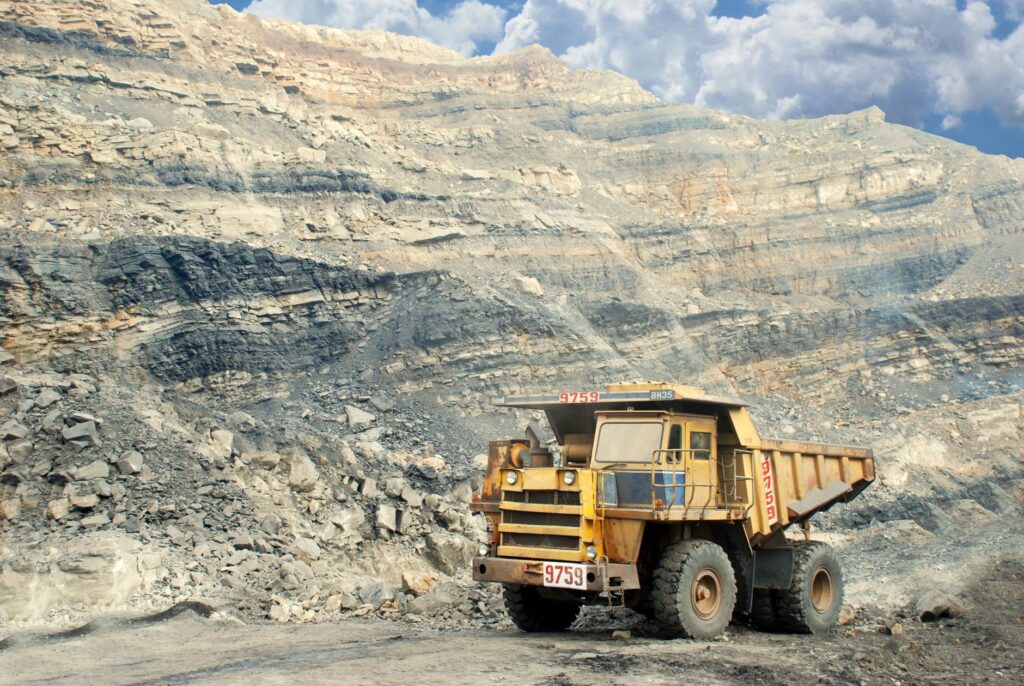
India’s coal imports dropped by nearly 13% in April compared to the previous year, despite a concurrent rise in national electricity demand. The Ministry of Coal reported that enhanced domestic production and improved logistics networks have effectively curtailed the country’s reliance on foreign thermal coal, marking a significant shift in India’s energy procurement strategy.
Contextualizing the Coal Landscape
For decades, India has relied heavily on imported coal to bridge the gap between burgeoning power demand and domestic supply constraints. As the world’s third-largest energy consumer, the nation historically faced periodic fuel shortages that forced power plants to lean on international markets. Recent government initiatives to ramp up Coal India Limited’s output and streamline rail transport have fundamentally altered this dependency.
Supply Chain and Sectoral Nuances
While thermal coal imports for power generation have seen a sharp decline, the steel industry tells a different story. Imports of coking coal—a vital raw material for steel production—have actually trended upward during the same period. This discrepancy highlights the persistent scarcity of high-quality metallurgical coal within India’s domestic reserves, necessitating continued international trade for heavy industrial growth.
Expert Perspectives on Energy Security
Industry analysts suggest that the reduction in thermal coal imports is a strategic victory for India’s energy security. By optimizing domestic mines, the government is insulating the power sector from the volatility of global commodity prices and unpredictable shipping costs. Data from the Ministry of Power indicates that coal stock levels at thermal power stations remain robust, providing a buffer against seasonal demand spikes during the summer months.
Implications for the Future
The reduction in imports carries significant implications for India’s trade deficit and domestic industrial policy. Lower reliance on imported fuel allows the country to conserve foreign exchange reserves while simultaneously providing a stimulus to local mining regions. However, the reliance on coking coal imports remains a critical bottleneck for the manufacturing sector, signaling where future investment in exploration and processing technology must be directed.
Watching the Market
Moving forward, market observers will monitor whether this downward trend in thermal coal imports persists through the peak summer heat, when power demand typically hits its annual zenith. Furthermore, the government’s efforts to expedite the development of coking coal washing facilities will be a key metric to watch, as India seeks to replicate its success in thermal coal self-sufficiency within the metallurgical sector.