
Geopolitical Tensions Drive Market Uncertainty
The United States military launched targeted strikes against Iranian assets today following a series of provocative attacks near the Strait of Hormuz, triggering immediate shockwaves across global financial markets. As the conflict intensifies, Brent crude oil prices breached the $76 per barrel mark, reflecting deep-seated investor anxiety regarding the security of vital energy supply chains in the Middle East.
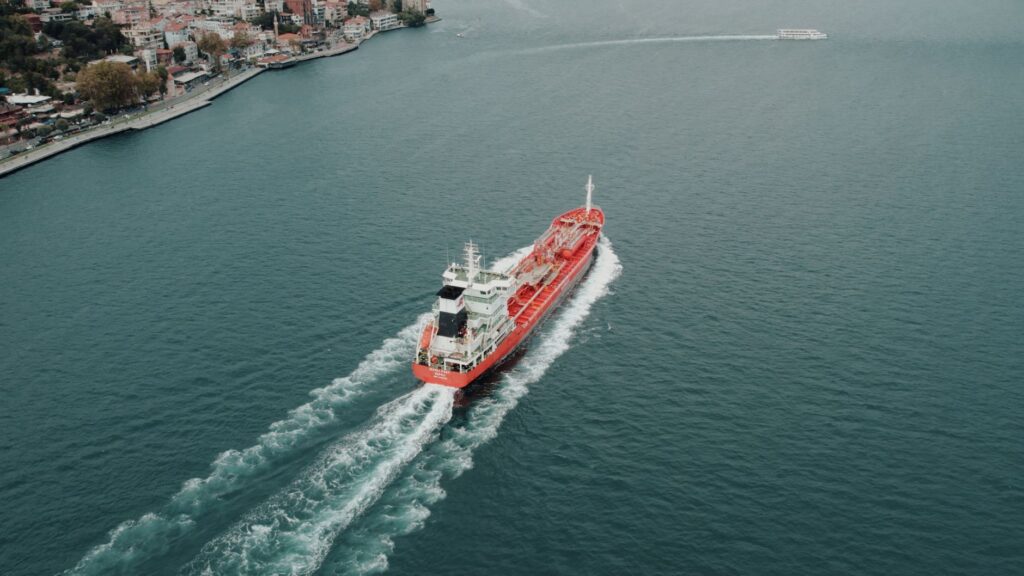
The Strait of Hormuz serves as a critical maritime chokepoint, through which approximately one-fifth of the world’s oil consumption flows daily. Any disruption in this region historically leads to rapid price volatility, as markets price in the risk of supply blockages and heightened military posturing.
Contextualizing the Economic Response
Beyond the immediate military escalation, financial institutions are adjusting their monetary strategies to mitigate potential fallout. The Reserve Bank of India (RBI) has announced a variable rate repo (VRR) auction of Rs 25,000 crore, a move designed to manage liquidity and stabilize the rupee amidst the broader regional instability.
Simultaneously, Hong Kong is advancing its strategic financial infrastructure by trialing a new gold clearing system. This initiative represents a broader trend in Asian markets to diversify asset holdings and provide a more robust mechanism for settling trades in precious metals during times of equity market turbulence.
Market Analysis and Expert Perspectives
Energy analysts suggest that the current price surge is a direct response to the uncertainty surrounding the sustainability of oil exports from the Persian Gulf. According to recent data from the International Energy Agency (IEA), even minor delays in tanker traffic through the Strait can result in significant premiums on global spot prices.
Financial experts note that while the RBI’s liquidity injection provides a temporary buffer, the long-term impact on emerging markets remains dependent on the duration of the US-Iran confrontation. Investors are increasingly shifting capital toward safe-haven assets, including gold and government bonds, as they hedge against the possibility of a prolonged regional conflict.
Broader Implications for Global Trade
For the average consumer, the spike in crude oil prices serves as a precursor to inflationary pressure at the pump and in logistics-heavy industries. Businesses that rely on global supply chains are now bracing for potential increases in shipping insurance premiums and fuel surcharges.
As the situation unfolds, market observers are closely monitoring the response from neighboring nations and the potential for a diplomatic de-escalation. Analysts suggest that the next few days will be critical in determining whether the current spike in oil prices becomes a permanent fixture or a temporary reaction to the initial military strikes. Stakeholders should watch for any further announcements regarding the reopening of safe passage zones in the Strait of Hormuz and potential central bank interventions across Asia to curb currency volatility.