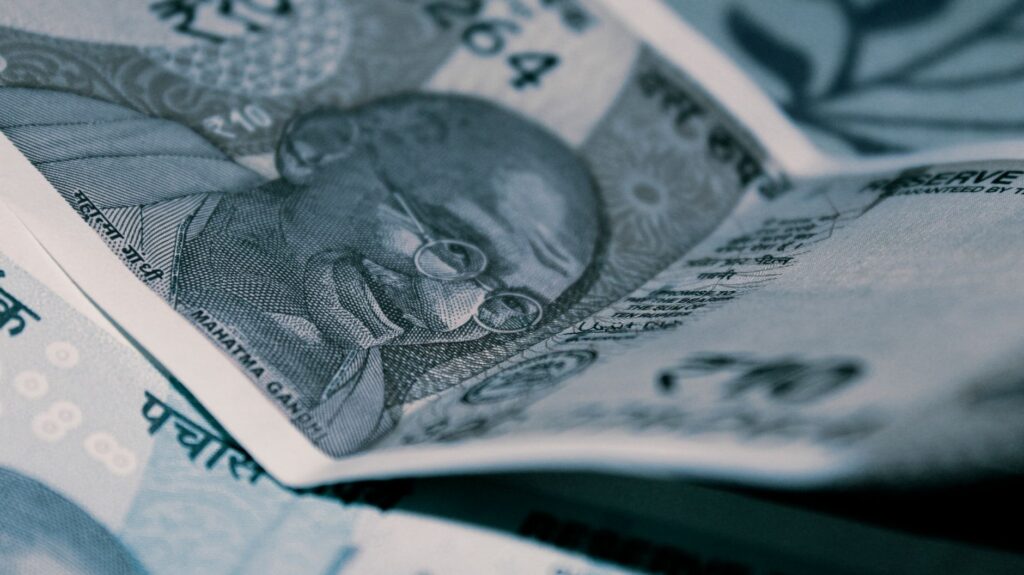

The Reserve Bank of India (RBI) has implemented advanced micro-lettering technology across its banknote series to combat the persistent threat of counterfeiting. By embedding microscopic text that is invisible to the naked eye, the central bank provides a definitive security marker that distinguishes genuine currency from sophisticated forgeries in circulation across India today.
The Mechanics of Micro-Lettering
Micro-lettering serves as a primary line of defense in the RBI’s multi-layered security strategy. These minuscule characters, often only visible under high-magnification lenses, are strategically placed near the portrait of Mahatma Gandhi or along the security threads of the notes.
The precision required for this printing process is immense. Genuine currency is produced using intaglio printing, a method that creates raised, intricate details that standard commercial scanners or counterfeit printers fail to replicate with enough clarity to pass inspection.
Context and Evolution of Currency Security
Counterfeiting remains a significant challenge for central banks worldwide, directly impacting economic stability and public trust in fiat currency. In India, the RBI periodically updates security features to stay ahead of illicit actors who utilize increasingly sophisticated digital printing and scanning technologies.
The integration of micro-lettering evolved alongside other features like color-shifting ink, latent images, and optically variable ink (OVI). These features work in tandem to create a holistic verification system that requires both visual inspection and technical verification.
Layered Defense Strategies
According to data from the RBI’s annual reports, the detection of fake notes often relies on the failure of counterfeiters to replicate these high-resolution security elements. While a casual observer might focus on the feel of the paper or the watermark, the micro-lettering acts as a fail-safe for bank tellers and automated cash processing machines.
Financial security experts note that the difficulty of reproducing these letters at such a small scale creates a high barrier to entry for criminals. The process requires specialized machinery that is heavily regulated and monitored by law enforcement agencies.
Industry Implications
For the average citizen, the presence of these features means that currency verification is no longer reliant on guesswork. Banks and retail establishments now utilize handheld magnifying devices and UV-light scanners to authenticate notes during high-volume transactions.
The banking sector has invested heavily in automated sorting machines that utilize high-speed cameras to verify micro-lettering in real-time. This technology ensures that millions of notes can be processed daily with near-perfect accuracy, effectively filtering out suspect currency before it re-enters the public supply.
Looking Ahead
As digital payment adoption continues to rise in India, the role of physical currency remains vital for financial inclusion. Observers should watch for further integration of synthetic security fibers and enhanced tactile features in future banknote series, as the RBI continues to innovate in the face of evolving threats.
The next frontier for currency security will likely involve machine-readable features that are invisible to humans but easily identified by mobile-based verification apps. As technology progresses, the gap between legitimate currency and illicit reproduction will continue to widen, further securing the nation’s financial backbone.