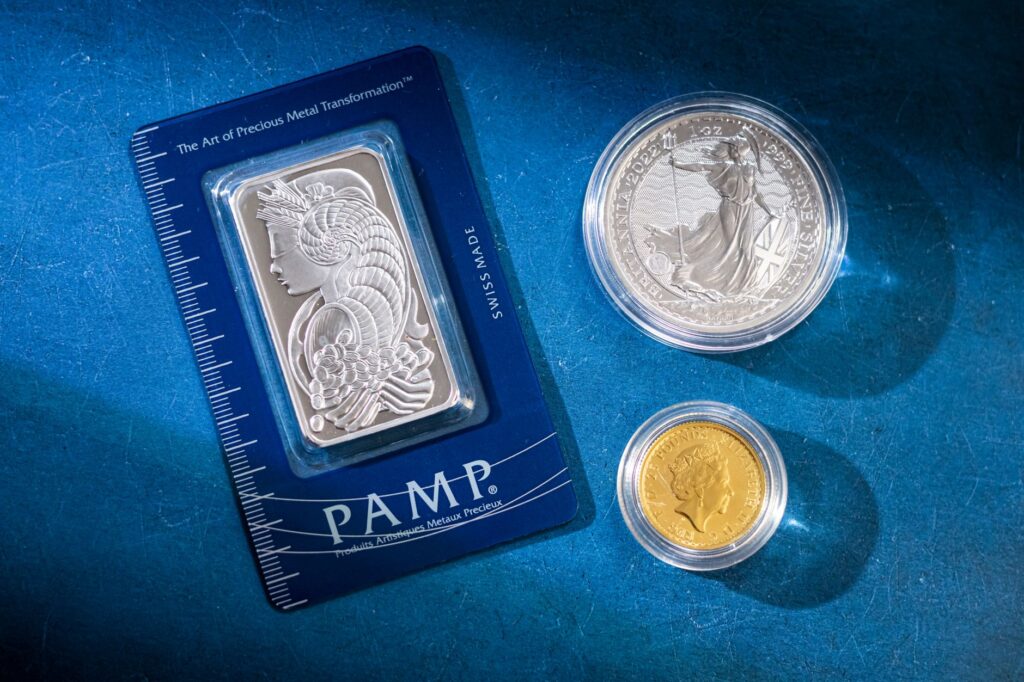

Gold and silver prices in India saw notable shifts on July 7, as retail consumers in major hubs like Delhi, Mumbai, and Kolkata navigated fluctuating market rates. The latest data indicates that both 24-karat and 22-karat gold, alongside 999-grade silver, continue to react to global economic signals and domestic demand patterns. These price adjustments serve as a critical benchmark for investors and retail buyers tracking the precious metals market during the current quarter.
Understanding Market Volatility in Precious Metals
The pricing of gold and silver in India is influenced by a complex interplay of international market trends, currency fluctuations, and local import duties. Because India imports the vast majority of its gold, the exchange rate between the Indian Rupee and the U.S. Dollar plays a decisive role in final retail costs.
Central bank policies and geopolitical stability also remain primary drivers of value. When global uncertainty rises, investors traditionally pivot toward gold as a ‘safe-haven’ asset, which frequently exerts upward pressure on prices.
Regional Variations and Retail Pricing
While bullion rates are set at a national level, retail prices vary across cities due to state-specific taxation, transportation costs, and local demand dynamics. In Delhi, consumers often see rates slightly different from those in Mumbai or Kolkata, reflecting the logistical costs of bullion distribution.
Market analysts note that the current price environment is characterized by high sensitivity to interest rate announcements from major central banks. According to recent data from the Multi Commodity Exchange (MCX), trading volumes remain robust as investors hedge against inflationary pressures.
Expert Perspectives and Economic Data
Financial experts suggest that the recent price activity is consistent with a broader trend of diversification in retail investment portfolios. Data from the World Gold Council confirms that consistent demand for jewelry and investment-grade bars remains a pillar of the Indian market, regardless of short-term price spikes.
Recent market reports emphasize that while the 24K gold rate captures headlines, the 22K segment remains the most active for the jewelry retail sector. Silver, often viewed as a more affordable entry point for retail investors, has shown increased volatility, mirroring the broader industrial demand for the metal.
Implications for Investors and Consumers
For the average consumer, these daily fluctuations underscore the importance of monitoring market trends before making significant purchases. Retailers often advise customers to track moving averages over a week rather than reacting to single-day price shifts.
Looking ahead, the market will likely be influenced by upcoming shifts in global interest rates and domestic festive demand cycles. Industry observers are watching for potential changes in import duty structures and global supply chain stability, both of which will dictate whether gold and silver maintain their current price trajectory or move toward new support levels in the coming months.