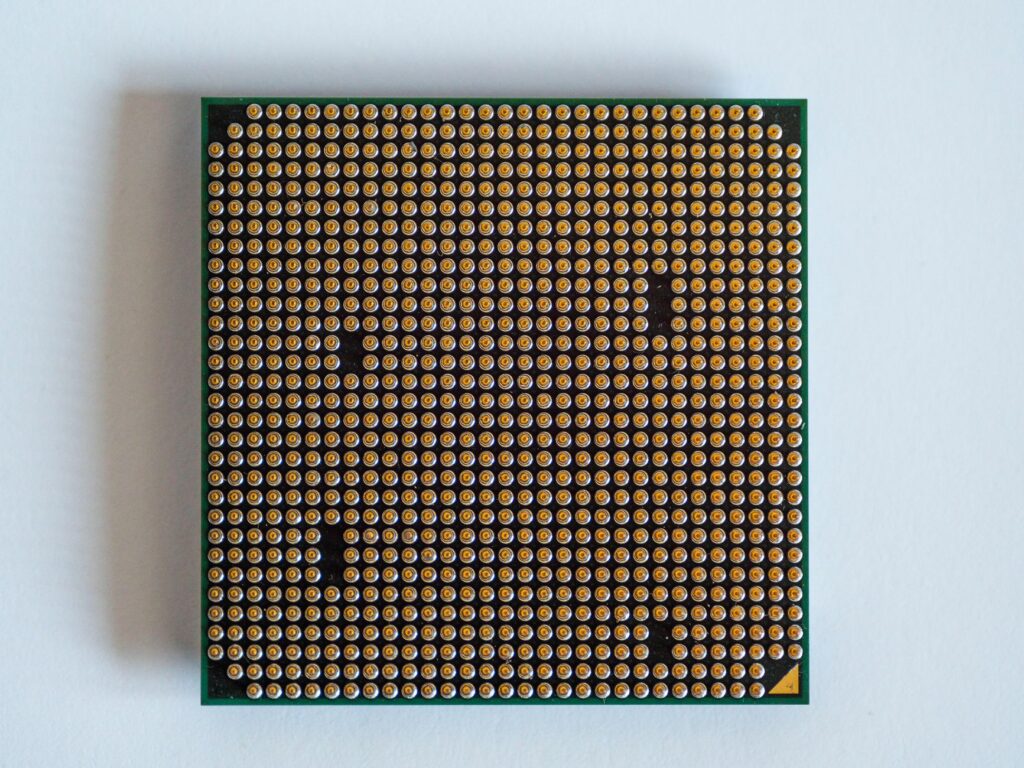

The South Korean Ministry of Economy and Finance announced on Tuesday in Seoul that it has upwardly revised its 2026 economic growth and inflation forecasts. This strategic adjustment reflects an accelerating recovery in Asia’s fourth-largest economy, driven primarily by an unprecedented global surge in semiconductor demand and a series of targeted domestic policy interventions designed to stimulate industrial production and private consumption.
Context of the Economic Realignment
South Korea’s export-reliant economy faced significant headwinds over the past two years due to aggressive global monetary tightening and a prolonged post-pandemic slump in the consumer electronics sector. However, the rapid proliferation of artificial intelligence (AI) technologies worldwide has triggered a massive demand shock for high-bandwidth memory (HBM) chips, a sector where South Korean tech conglomerates hold a dominant global market share.
To capitalize on this technological shift, the government in Seoul has rolled out a series of aggressive fiscal incentives, including substantial tax credits for high-tech investments and infrastructure support for the country’s mega semiconductor clusters. These domestic initiatives, combined with stabilizing global supply chains, have laid the groundwork for a more robust medium-term economic expansion than policymakers previously anticipated.
Revised Projections and Key Growth Drivers
According to the updated government outlook, South Korea’s real Gross Domestic Product (GDP) is now projected to grow by 2.4 percent in 2026, up from an earlier estimate of 2.1 percent. Concurrently, the consumer price inflation forecast for 2026 was adjusted upward to 2.2 percent, reflecting stronger-than-expected domestic demand and persistent global commodity price volatility.
The primary engine of this growth remains the export sector, which recorded its tenth consecutive month of expansion last month, led by a 50 percent year-over-year surge in semiconductor shipments. This export strength is beginning to spill over into the broader domestic economy, stimulating facilities investment and gradually boosting corporate wages across manufacturing sectors.
Furthermore, the government’s proactive policy measures, including a 26 trillion won ($19 billion) financial support package for the chip industry, have accelerated private sector capital expenditure. Policymakers anticipate that these investments will yield substantial productivity gains by the start of 2026, shielding the economy from cyclical downturns in other traditional manufacturing sectors like shipbuilding and petrochemicals.
Policy Initiatives and Industrial Strategy
In addition to financial support for hardware manufacturers, the South Korean government is actively implementing structural reforms to bolster domestic consumption. These measures include targeted tax cuts for middle-income households, subsidies for eco-friendly home appliances, and regulatory easing aimed at boosting the service sector, particularly tourism and digital finance.
By simultaneously strengthening the export engine and reinforcing domestic demand, Seoul aims to create a more balanced economic model. This dual-track strategy is designed to mitigate the risks associated with global trade tensions and ensure that the wealth generated by the technology sector is distributed more evenly across the domestic workforce.
Expert Perspectives and Economic Risks
Independent market analysts view the government’s revised forecasts as a realistic reflection of structural changes in the global tech supply chain rather than a temporary cyclical rebound. Economists note that the integration of AI into everyday enterprise software and hardware is creating a sustained, multi-year demand cycle for South Korean memory products.
Data from the Bank of Korea supports this optimistic outlook, showing a marked improvement in the business sentiment index for manufacturers. However, some economists warn that the concentration of growth in a single sector presents systemic risks, urging the government to diversify its economic drivers to avoid over-reliance on the highly volatile semiconductor market.
Additionally, the upward revision of the inflation forecast suggests that the central bank may maintain its restrictive monetary policy for longer than market participants initially expected. Elevated borrowing costs could continue to pressure heavily indebted households, potentially dampening the recovery of private consumption and retail sales in the near term.
Global Implications and Future Outlook
The upgraded economic outlook for South Korea carries significant implications for global technology supply chains and multinational investment strategies. As the primary supplier of advanced memory chips, South Korea’s economic health serves as a reliable bellwether for global tech demand and broader international trade activity.
For global investors, the country’s accelerating growth reinforces the appeal of East Asian equity markets, particularly within the technology and advanced manufacturing sectors. However, multinational corporations must also navigate the domestic inflationary pressures that could increase operational and labor costs within South Korean production facilities over the next two years.
Looking ahead, observers should closely monitor the implementation speed of the government’s semiconductor support packages and the Bank of Korea’s upcoming policy rate decisions. The evolving trade dynamics between the United States and China will also remain a critical variable, as any escalation in technology export controls could disrupt South Korea’s export momentum heading into 2026.