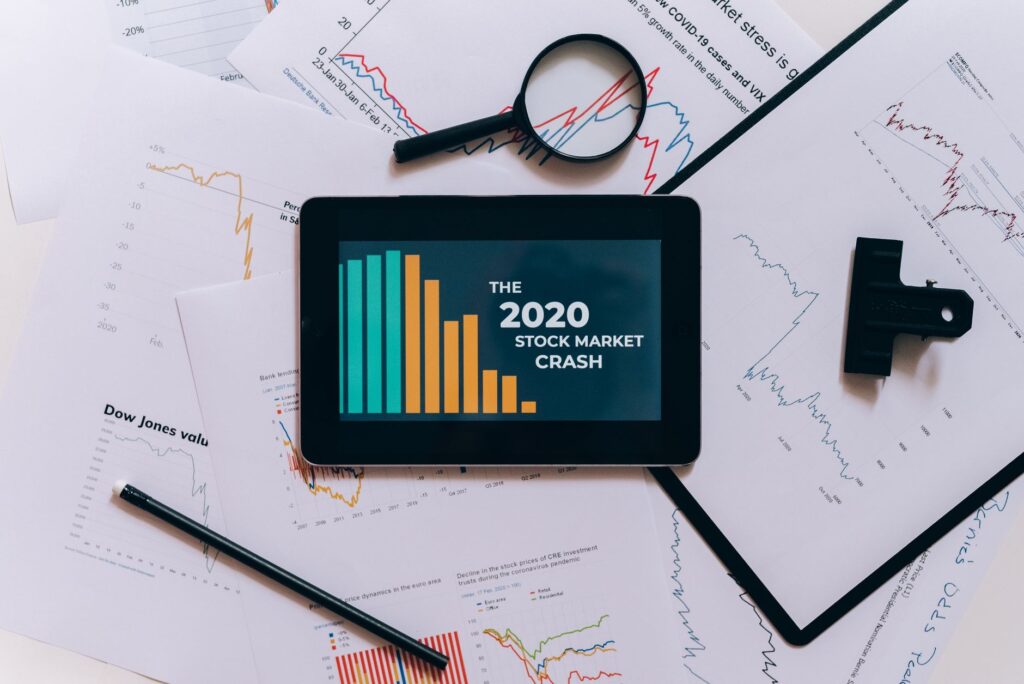

The Unpredictable Shift in Indian Markets
The Indian stock market, anchored by the Sensex and Nifty 50 indices, has entered a period of profound uncertainty as investors grapple with the aftermath of a significant downturn that began in early 2025. Following a historic market peak in September 2024, the indices have experienced a sustained period of volatility that wiped out substantial gains for both retail and institutional participants. Financial analysts now suggest that the current climate serves as a stark reminder of the inherent unpredictability of global and domestic equity markets.
Contextualizing the Recent Downturn
To understand the current market sentiment, one must look back at the record-breaking rally of 2024. During that period, the Sensex and Nifty touched all-time highs, driven by strong corporate earnings, robust domestic inflows, and optimistic macroeconomic projections.
However, the transition into 2025 brought a confluence of headwinds, including shifting interest rate policies, inflationary pressures, and geopolitical tensions that dampened investor confidence. The subsequent correction has forced a re-evaluation of valuation models that many analysts previously deemed sustainable.
Analyzing the Current Market Dynamics
Market observers point to several key factors contributing to the persistent volatility observed throughout 2025 and 2026. Institutional investors have significantly adjusted their risk appetite, shifting capital toward safer asset classes as the growth narrative in emerging markets faces scrutiny.
Data from the National Securities Depository Limited (NSDL) indicates that Foreign Portfolio Investor (FPI) outflows have reached levels not seen since the pandemic era. This exodus has put immense downward pressure on large-cap stocks that previously led the rally, creating a cascading effect across the indices.
Expert Perspectives on Future Trends
Financial experts emphasize that while the current cycle is painful, it is not anomalous. Dr. Arindam Ghosh, a senior market strategist, notes that “market cycles are defined by periods of excess followed by inevitable corrections, and the 2024 peak likely represented a point of extreme valuation that required adjustment.”
Furthermore, analysts at leading brokerage firms highlight that investors must now look beyond index-level performance. They suggest that the focus is shifting toward stock-specific fundamentals, as the era of easy liquidity that defined the 2024 bull market has largely evaporated.
Implications for Investors and Industry
For the average investor, this period of volatility necessitates a move toward defensive portfolio construction. Financial advisors are increasingly recommending a focus on companies with low debt-to-equity ratios and consistent cash flow generation, rather than speculative growth stocks.
The broader industry is also witnessing a shift in asset management strategies. There is a renewed emphasis on active management over passive index tracking, as professional fund managers seek to navigate the downward trends by selectively hedging positions.
Looking Ahead: Key Indicators to Watch
As the market moves into the latter half of 2026, stakeholders are closely monitoring upcoming central bank policy meetings and quarterly earnings reports for signs of stabilization. The ability of domestic institutional investors to absorb the ongoing FPI selling pressure will likely serve as the primary determinant of whether the indices can find a firm floor. Investors should remain vigilant regarding shifts in inflation data and interest rate trajectories, as these variables will continue to dictate the near-term momentum of the Sensex and Nifty.