




Global oil markets face an extended period of instability, with Moody’s Ratings projecting crude prices will remain anchored between USD 90 and USD 110 per barrel throughout 2026. This forecast, released by the credit rating agency this week, suggests that even if geopolitical tensions currently disrupting the Strait of Hormuz abate within the next six months, structural supply constraints will continue to exert upward pressure on energy costs worldwide.
The Anatomy of Supply Constraints
The energy sector is currently grappling with a confluence of factors that limit production capacity. Years of underinvestment in traditional exploration and production, coupled with the ongoing transition toward renewable energy sources, have left global markets with little room to absorb sudden shocks.
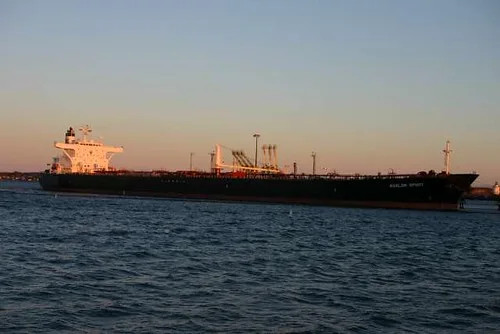
Moody’s highlights that the reliance on key maritime chokepoints, such as the Strait of Hormuz, adds a layer of extreme vulnerability to the global supply chain. When these routes face threats, the immediate result is a risk premium added to every barrel of oil traded, regardless of the underlying extraction costs.
Geopolitical Risk and Market Volatility
The persistence of high price floors is not solely a function of physical supply, but also of the perceived risk environment. Financial markets are increasingly sensitive to regional conflicts, which dictate the flow of energy from the Middle East to major consumers in Asia and Europe.
According to market analysts, the volatility index for oil has remained elevated compared to historical averages for the previous decade. Even a temporary stabilization in geopolitical relations is unlikely to trigger a significant price correction, as inventories remain tight and producers show limited appetite for aggressive output expansion.
Expert Perspectives on Economic Impact
Financial experts point out that sustained prices above USD 90 per barrel act as a de facto tax on the global economy. For emerging markets, this scenario complicates current efforts to curb inflation and manage debt-servicing costs.
Data from the International Energy Agency (IEA) corroborates the view that demand remains robust despite the high-price environment. While efficiency gains are being made in the industrial sector, they are currently insufficient to offset the growth in energy consumption from developing economies.
Implications for Global Industry
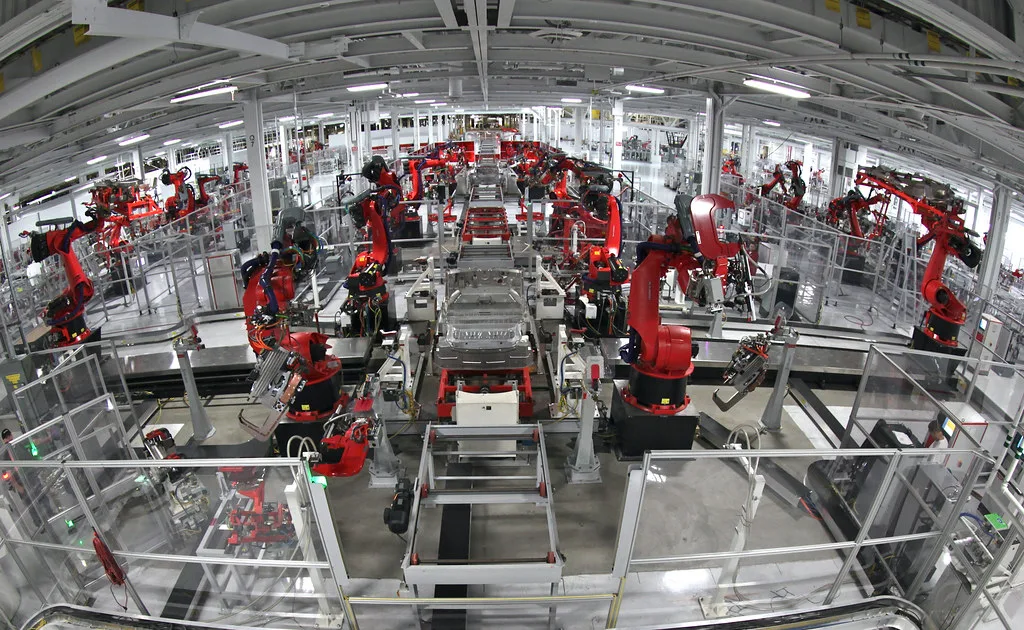
For businesses, this environment necessitates a fundamental shift in capital allocation and operational strategy. Companies that rely heavily on energy-intensive logistics or manufacturing will likely see their margins squeezed unless they can pass costs on to consumers.
The financing landscape is also shifting. Moody’s warns that borrowers exposed to energy price volatility may face stricter credit conditions as lenders adjust their risk models to account for higher, more unpredictable operating expenses. This creates a difficult environment for capital-intensive projects that were modeled on lower, more stable energy prices.
Looking Ahead: What to Watch
Market participants should closely monitor upcoming OPEC+ production policy meetings, which will serve as a bellwether for how the cartel intends to balance price support against the threat of demand destruction. Additionally, shifts in global inventory levels will be a critical indicator of whether the market is tightening further or finding a new, albeit expensive, equilibrium. Investors will also be watching for potential breakthroughs in alternative energy storage, which could eventually dampen the direct link between geopolitical instability and fuel prices.