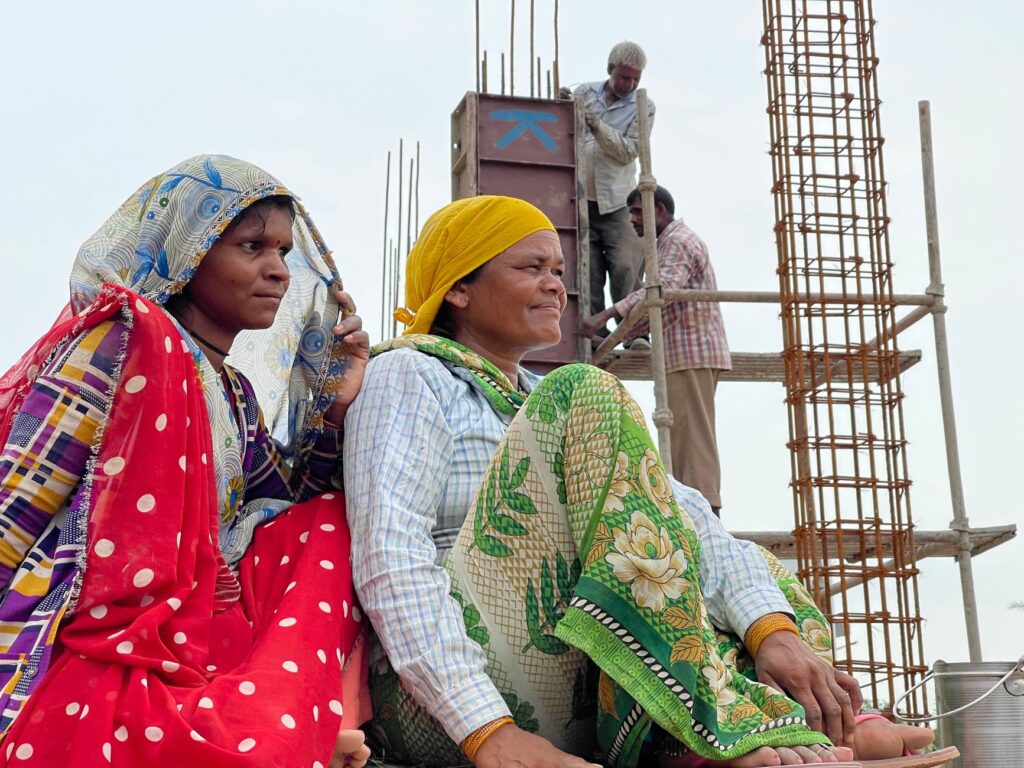

The Indian government has officially elevated the daily minimum wage floor to ₹300, effectively replacing the previous baseline of ₹241 per day across 21 states, Union Territories, and administrative units. This nationwide adjustment, confirmed by labor officials this week, marks a significant shift in national wage policy aimed at bolstering the economic security of millions of workers. Haryana and Goa have emerged as leaders in this transition, with rural wage floors in these regions now exceeding ₹400 per day.
Context and Policy Evolution
For years, the disparity in minimum wage notifications across various Indian states created significant gaps in worker earnings, often leaving rural laborers vulnerable to inflation. The Ministry of Labour and Employment has been working to harmonize these discrepancies to ensure a more equitable distribution of income.
By setting a new national floor of ₹300, the government seeks to establish a more robust safety net for the unorganized sector. This move aligns with broader efforts to streamline labor codes and provide a consistent standard of living for workers engaged in construction, agriculture, and small-scale manufacturing.
Regional Disparities and Economic Impact
While the national baseline is now set at ₹300, the variation between states remains pronounced. Haryana and Goa have set the pace, with rural wages now surpassing the ₹400 mark, reflecting higher local costs of living and more aggressive state-level labor policies.
Economic analysts point out that increasing the wage floor is a dual-purpose strategy. It serves to improve the immediate purchasing power of the rural workforce while simultaneously stimulating local demand for goods and services. When workers have more disposable income, the multiplier effect on local economies often leads to increased consumption and regional growth.
Expert Perspectives and Data
Labor economists suggest that the move toward a standardized wage floor is a critical step toward formalizing the Indian labor market. According to recent government data, the transition affects millions of workers who were previously tethered to the lower ₹241 threshold.
“Establishing a higher floor is essential for reducing poverty traps in rural areas,” noted a senior policy researcher familiar with the labor notification. “However, the challenge remains in the enforcement of these wages by local authorities and ensuring that small-scale employers have the capacity to absorb these costs without reducing their total headcount.”
Future Implications for the Labor Market
The industry now faces a period of adjustment as businesses recalibrate payroll budgets to comply with the new mandates. For the workforce, the change represents a tangible increase in daily earnings, which may provide some relief against rising commodity prices.
Moving forward, stakeholders will be watching to see how the remaining states and territories integrate these adjustments into their specific labor laws. Observers are also monitoring whether this rise in the wage floor will lead to increased automation in sectors that rely heavily on manual labor, or if the increased cost will be passed on to consumers. The long-term success of this policy will likely depend on the government’s ability to monitor compliance effectively and ensure that the benefits reach the most vulnerable segments of the rural population.