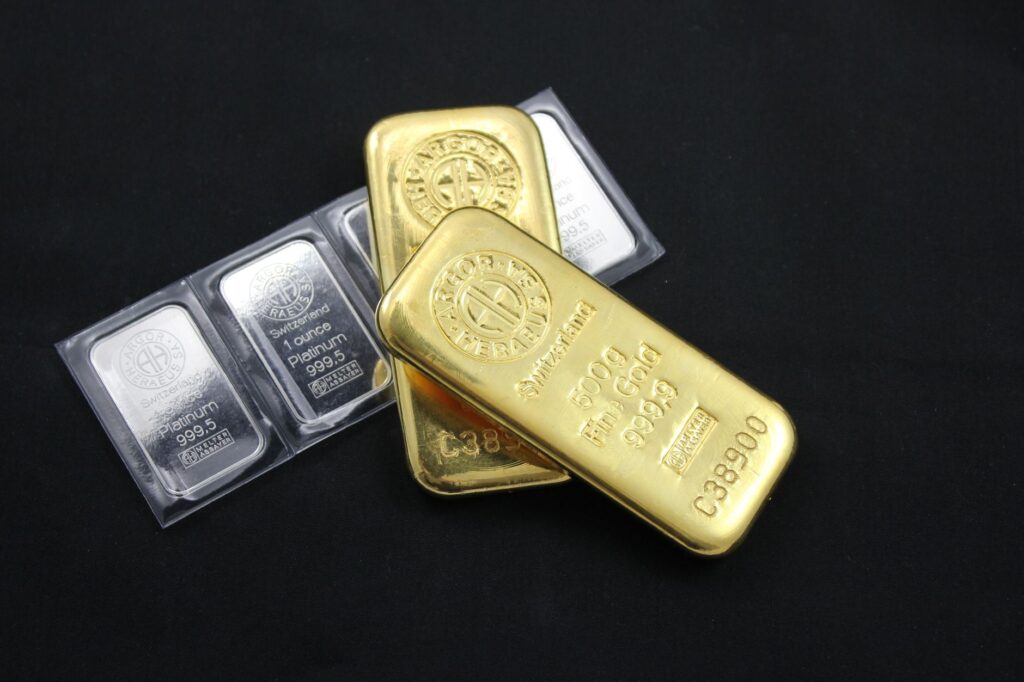

On July 6, gold and silver prices across major Indian metropolitan centers showed notable volatility, reflecting broader shifts in global market sentiment and domestic demand patterns. Investors and retail consumers in Delhi, Mumbai, and Kolkata are closely monitoring these fluctuations as bullion rates remain a critical indicator of economic stability and personal wealth management strategies.
Market Context and Global Drivers
The price of precious metals in India is heavily influenced by international trends, particularly the spot price of gold on the London Bullion Market Association (LBMA) and currency fluctuations between the Indian Rupee and the US Dollar. As a net importer of gold, India remains highly sensitive to global geopolitical tensions and central bank interest rate policies.
Current market data suggests that investors are balancing inflationary concerns with the potential for central banks to adjust monetary policy. This dual pressure creates a complex environment for bullion pricing, where safe-haven buying often competes with profit-taking activities.
Regional Price Disparities
Retail rates for 24-karat and 22-karat gold vary across Indian cities due to differences in state-level taxation, local logistics, and transportation costs. In Delhi, consumers are tracking specific markups compared to the rates observed in the Mumbai bullion market, which serves as a primary hub for wholesale trading.
Silver prices, often referred to as the ‘poor man’s gold,’ are also experiencing significant movement. Industrial demand for silver, particularly in the electronics and solar panel manufacturing sectors, continues to provide a price floor even when investment demand softens. Traders are currently observing the 999-fineness silver rates as a benchmark for both retail jewelry and industrial procurement.
Analyst Perspectives on Bullion Trends
Market analysts note that the Multi Commodity Exchange (MCX) figures are currently acting as a leading indicator for local retail pricing. According to recent data from financial research firms, the correlation between MCX futures and physical retail premiums has tightened as supply chain logistics stabilize following recent global disruptions.
Experts emphasize that while short-term volatility is driven by speculative trading, the long-term trajectory of gold remains anchored by its role as a hedge against currency devaluation. Financial advisors suggest that retail investors should prioritize dollar-cost averaging rather than attempting to time the market based on daily fluctuations.
Future Implications for Investors
The immediate outlook for precious metals suggests that price discovery will remain sensitive to upcoming inflation data and central bank announcements regarding interest rate hikes. Industry observers are watching for potential shifts in import duty policies, which could further impact the final retail price paid by the consumer.
As the market moves into the next quarter, demand from the wedding and festival seasons in India will likely provide a support mechanism for prices. Investors should remain vigilant regarding the strength of the US Dollar, as a sustained appreciation often places downward pressure on dollar-denominated bullion prices. Monitoring central bank gold reserves and global industrial output figures will be essential for gauging the next significant price movement in the coming weeks.