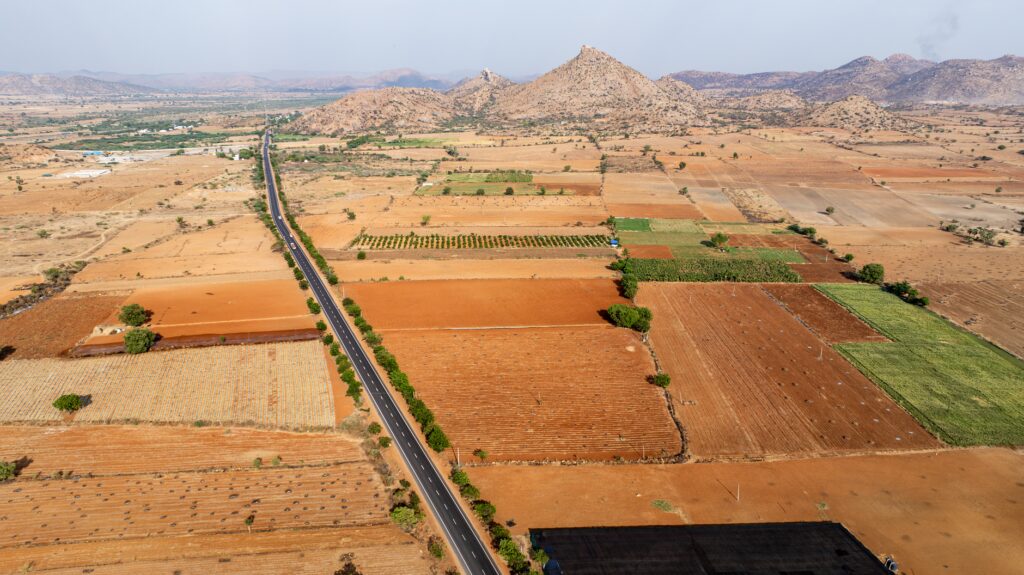

Market Analysts Assess Monsoon Impact
As India faces concerns over a potentially deficient monsoon season this year, financial experts are closely monitoring the impact on agricultural output and national food prices. R. Sivakumar, Head of Fixed Income at Axis Asset Management Company, stated this week that while a poor monsoon poses a tangible risk to rural economic stability, it is unlikely to trigger a cycle of runaway food inflation across the country.
Contextualizing the Monsoon Vulnerability
The monsoon season is the lifeblood of India’s agrarian economy, accounting for a significant portion of the country’s annual rainfall and supporting the kharif crop cycle. Historically, erratic rainfall patterns have been linked to supply-side shocks that drive up food prices, disproportionately affecting the consumer price index (CPI). Policymakers and market participants view rainfall data as a primary indicator for assessing potential inflationary pressures and overall GDP growth.
Analyzing the Inflationary Buffer
Despite the anxiety surrounding weather patterns, structural improvements in food supply management have provided a buffer against volatility. Analysts point to adequate buffer stocks held by the government, which act as a critical tool to dampen the impact of localized crop failures. Furthermore, the diversification of the Indian economy means that the reliance on agriculture for total GDP contribution has shifted, insulating the macroeconomy from total dependence on seasonal rainfall.
Expert Perspectives on Rural Income
While the threat to national inflation may be contained, the risk to rural prosperity remains high. R. Sivakumar highlights that a decline in agricultural output directly correlates to reduced rural incomes, which can stifle consumption demand in the broader economy. When farmers face yield losses, their purchasing power diminishes, creating a ripple effect that impacts sectors ranging from consumer goods to automotive sales.
Data Points and Economic Resilience
Data from the Reserve Bank of India (RBI) suggests that food inflation is often a multi-factorial issue rather than a result of weather alone. Global commodity prices, supply chain efficiencies, and government procurement policies play equally critical roles in determining the final price of essential goods. Current estimates suggest that even with a below-average rainfall, the impact on food prices is likely to be manageable within existing policy frameworks.
Implications for the Industry
For investors and corporate stakeholders, the focus is shifting toward companies with exposure to rural markets. If monsoon performance remains underwhelming, businesses reliant on rural discretionary spending may face a cooling period in the coming quarters. Conversely, the resilience of the supply chain suggests that retail consumers are unlikely to see the dramatic price spikes that characterized previous decades of monsoon failure.
Looking Ahead
As the monsoon season progresses, market participants will be watching for regional rainfall distribution data, which is often more critical than the national average. Continued monitoring of government procurement data and global food price trends will be essential for gauging the long-term impact on the economy. Observers should also keep a close eye on the RBI’s upcoming monetary policy decisions, as officials balance the need for growth with the potential for latent price pressures.