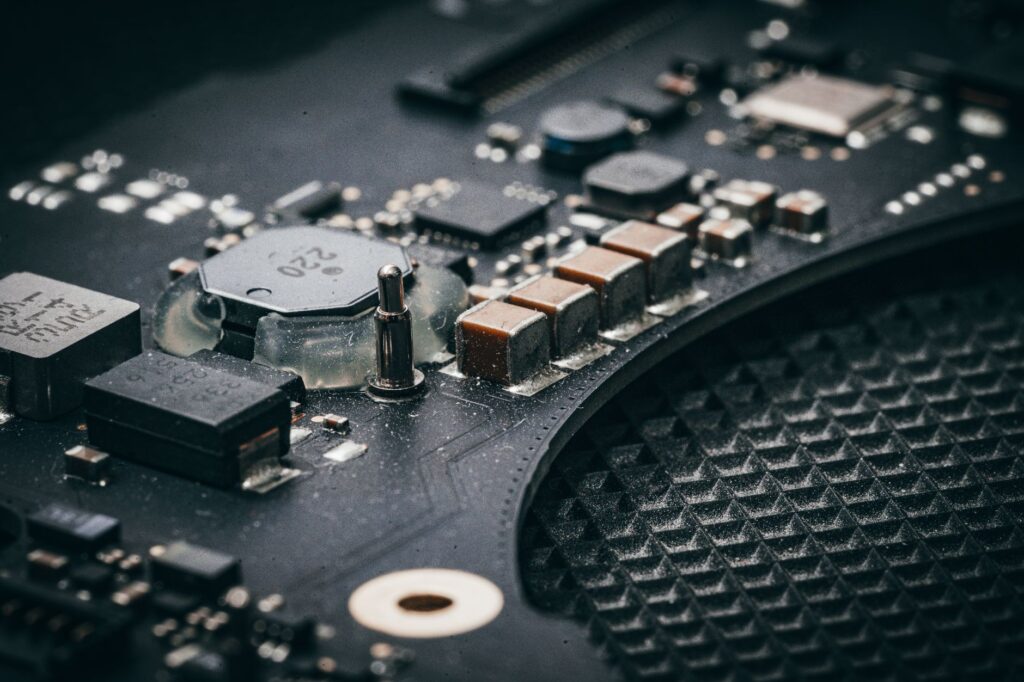

Economic Momentum Driven by Semiconductors
South Korea’s export economy experienced a significant boost in June, fueled primarily by an insatiable global appetite for high-end semiconductors. Government data released by the Ministry of Trade, Industry and Energy indicates that the country recorded a substantial trade surplus, a development that is currently tempering concerns over economic stagnation and strengthening the hand of the Bank of Korea as it approaches its July 16 policy meeting.
The surge is directly tied to the rapid expansion of artificial intelligence infrastructure worldwide. As tech giants accelerate investment in generative AI, demand for memory chips, particularly High Bandwidth Memory (HBM), has hit record levels, positioning South Korean manufacturers as essential pillars of the global technology supply chain.
The Context of Recovery
For months, the South Korean economy has navigated a delicate recovery phase, balancing cooling domestic consumption against a volatile external trade environment. The semiconductor sector, which historically accounts for roughly 20% of the nation’s total exports, had previously suffered from a cyclical downturn in 2023 caused by inventory gluts and reduced consumer electronics demand.
This recent rebound marks a definitive shift in the cycle. Industry analysts suggest that the current growth is distinct from past surges because it is underpinned by structural shifts in computing power requirements rather than mere consumer demand for smartphones or personal computers.
Analyzing the Export Landscape
Beyond semiconductors, the export data reveals a broad-based recovery. Shipments of automobiles, machinery, and petroleum products have also shown signs of stabilization, contributing to the healthy trade surplus. The strength of these sectors provides a buffer against external shocks, such as fluctuating oil prices or geopolitical tensions affecting major shipping routes.
Data from the Korea Customs Service highlights that exports to the United States and the European Union have remained particularly robust. These markets are currently the primary destinations for the advanced hardware powering AI data centers, underscoring the strategic importance of South Korea’s manufacturing capabilities in the geopolitical race for technological dominance.
Expert Perspectives
Economists at the Bank of Korea have noted that the trade surplus is a critical indicator of national economic health. With the trade balance remaining in positive territory for several consecutive months, the central bank now has more latitude to maintain a hawkish monetary stance to combat inflationary pressures.
“The persistent demand for AI-related components is creating a floor for the export sector,” says an analyst at the Korea Institute for Industrial Economics & Trade. “This provides the necessary fiscal breathing room for the government to manage interest rate policies without stifling growth in core industrial sectors.”
Future Implications
The immediate implication for the market is a heightened focus on the upcoming July 16 policy meeting. Investors are closely watching to see if the central bank will signal a move toward tighter monetary policy, confident that the export engine is strong enough to withstand potential interest rate hikes.
Looking ahead, industry experts suggest monitoring the sustainability of the AI investment cycle. While current demand is unprecedented, the long-term outlook depends on how quickly data center operators can scale their infrastructure and whether consumer-facing AI applications can maintain their current adoption rates. Any cooling in global AI infrastructure spending would likely be reflected in South Korea’s export figures within a single fiscal quarter, making this sector a primary barometer for the global tech economy.