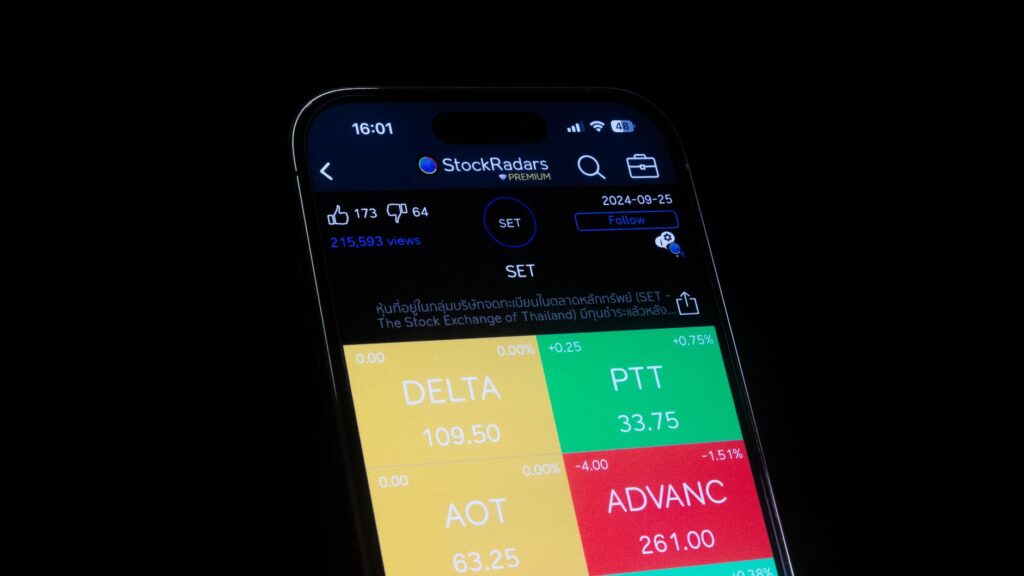

Investors frequently encounter confusion regarding mutual fund Net Asset Value (NAV) allocation, often assuming that a transaction initiated before the close of business guarantees that day’s price. In reality, regulatory cut-off timings dictate exactly when an investor’s money must be received by the Asset Management Company (AMC) to secure the current day’s NAV, with specific rules varying significantly based on the fund category and transaction type.
Understanding the Mechanics of NAV Allocation
The NAV is the price at which mutual fund units are bought or sold. Under current market regulations, for the majority of equity, hybrid, and long-term debt funds, the official cut-off time is set at 3:00 PM.
If a transaction is processed and the funds are cleared in the AMC’s account before this 3:00 PM threshold, the investor is eligible for that day’s closing NAV. Should the transaction occur after this time, the investor is automatically shifted to the next business day’s NAV, which remains unknown until the market closes the following evening.
Categorical Differences and Liquid Fund Specifics
Not all mutual funds adhere to the 3:00 PM rule. Liquid and overnight funds, which are designed for short-term parking of cash, operate under stricter timelines to manage liquidity efficiently.
For these specific categories, the purchase cut-off time is 1:30 PM. However, redemption requests for liquid and overnight funds benefit from more flexible windows, with a 3:00 PM deadline that is often extended to 7:00 PM for applications submitted through digital platforms.
The Critical Role of Fund Realization
A common misconception among retail investors is that the time of ‘clicking the button’ on an investment portal is the only factor that matters. Industry experts emphasize that the actual realization of funds is the true arbiter of NAV allocation.
According to SEBI mandates, the NAV applicable to an investment is subject to the availability of funds in the AMC’s bank account. Even if an investor initiates a transfer at 2:45 PM, if the banking system experiences a delay that causes the funds to reach the AMC after 3:00 PM, the system will apply the subsequent day’s NAV.
Implications for Investors and Market Participants
These timing constraints create a distinct risk profile for investors who wait until the final minutes of a trading day to execute orders. During periods of high market volatility, a delay of even a few minutes can result in a significant difference in the number of units allotted.
For financial planners, the advice remains consistent: avoid last-minute transactions. Relying on automated payment systems or initiating transfers during morning hours significantly reduces the risk of ‘NAV slippage’ caused by banking delays or technical glitches.
What to Watch Next
As digital transaction platforms continue to dominate the mutual fund landscape, industry observers are looking for potential regulatory shifts toward real-time fund settlement. Future developments may include the integration of faster payment rails that could potentially synchronize fund realization with transaction execution, eventually removing the ambiguity surrounding cut-off timings for the average investor.