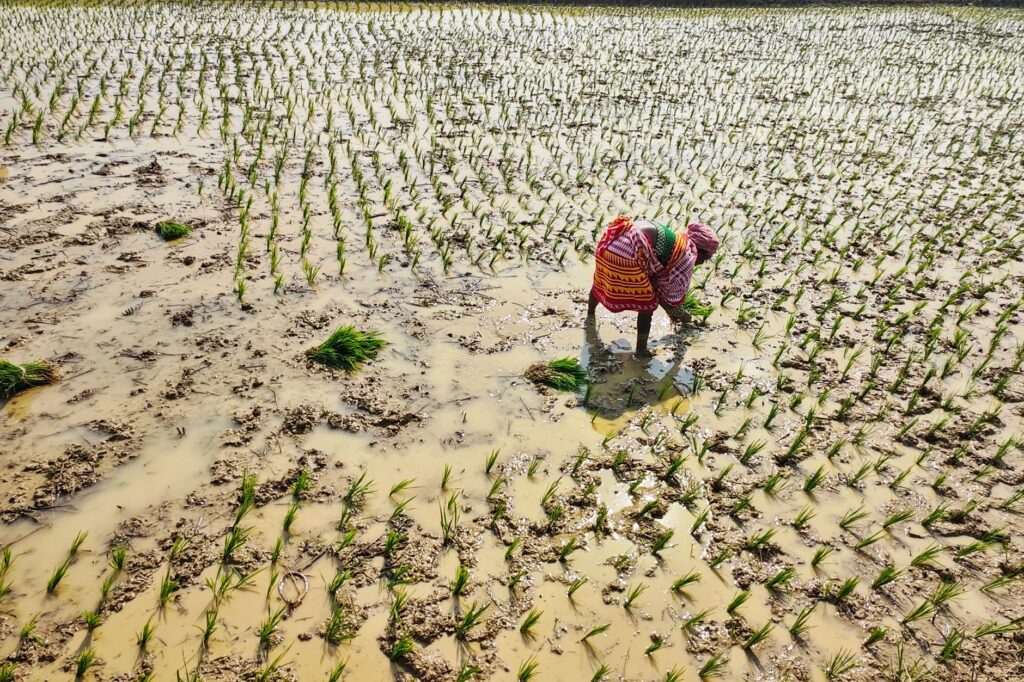

Monsoon Volatility and Food Security
Despite concerns over a weak monsoon and the strengthening of the El Niño weather pattern, India’s rice supply remains secure, according to Professor Ramesh Chand, a distinguished professor at ICRIER and former NITI Aayog member. Speaking alongside agricultural experts, Chand confirmed that robust irrigation infrastructure and significant government buffer stocks are expected to insulate rice production from erratic rainfall. However, experts caution that while the staple grain remains stable, the broader inflation landscape faces pressure, with edible oil prices potentially pushing the national inflation rate above the 6% threshold.
The Context of Agricultural Vulnerability
The Indian agricultural sector remains heavily dependent on the monsoon, which provides the lifeblood for the country’s Kharif crop cycle. El Niño, a climate pattern characterized by the warming of ocean surface temperatures in the central and eastern Pacific, is historically linked to below-average rainfall in India. This year, the confluence of a weak monsoon and rising global commodity volatility has heightened concerns among policymakers regarding food security and price stability.
Assessing Crop-Specific Risks
While the government has prioritized rice production, other rain-fed crops are facing significant exposure to meteorological instability. Experts note that pulses, soybeans, and various oilseeds, which rely more heavily on consistent rainfall rather than irrigation, are currently at the highest risk. The lack of adequate water availability in critical growth phases for these crops could lead to a localized supply crunch, driving up retail prices for essential cooking mediums.
Expert Insights and Economic Data
Harish Damodaran, Agriculture Editor at The Indian Express, highlights that the current situation is a balancing act between effective food management policies and the unpredictability of climate change. Data from the Ministry of Agriculture suggests that while rice acreage is currently sufficient to meet domestic demand, the potential for a 1-2% dip in overall agricultural output cannot be ruled out if rainfall remains deficient through the remainder of the season. The primary concern is not a total crop failure, but rather the inflationary impact of supply-side constraints on non-cereal food items.
Implications for Consumers and Markets
For the average consumer, the immediate outlook suggests that rice prices will likely remain anchored by government interventions. However, the anticipated rise in edible oil prices could be felt at the household level, potentially eroding purchasing power and impacting the Consumer Price Index (CPI). For the agricultural industry, this environment underscores the urgent need for increased investment in drought-resistant crop varieties and more efficient water management systems to mitigate future climate shocks.
The Road Ahead
Market observers are closely monitoring the monsoon’s progress in the coming weeks, as any further deviation from historical averages could trigger more aggressive government export curbs or import duty adjustments. The effectiveness of the government’s buffer stock management will be tested as the economy navigates the impact of these climate-driven supply chain disruptions. Industry analysts are now looking toward the upcoming Kharif harvest data as the primary indicator for whether the Reserve Bank of India will need to adjust its monetary policy stance to combat food-led inflation.