
Scaling Smart Grid Infrastructure
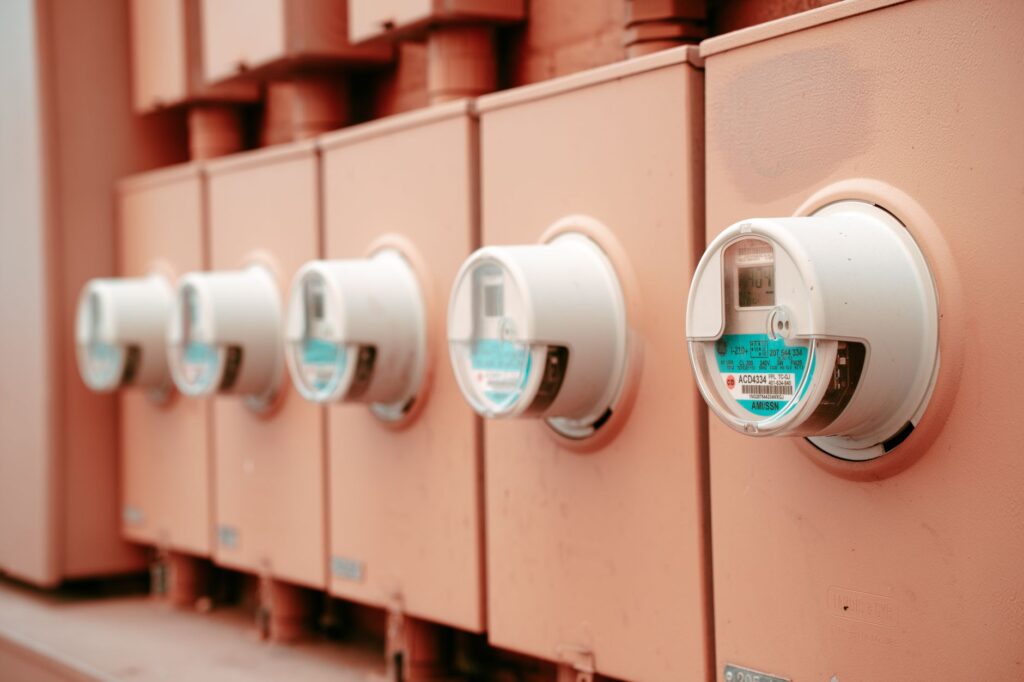
In a significant push for energy modernization, the state of Bihar in India has successfully installed four million smart meters in just over seven months, according to recent state energy department data. This rapid deployment, executed throughout 2024, marks a critical milestone in the state’s effort to overhaul its power distribution infrastructure and improve billing accuracy for millions of residential and commercial consumers.
Contextualizing the Energy Shift
For decades, India’s power distribution sector has struggled with high Aggregate Technical and Commercial (AT&C) losses, often exceeding 20% in various regions. Traditional mechanical meters frequently led to manual reading errors, revenue leakage, and delayed billing cycles, which hindered the financial viability of state-owned power distribution companies.
The central government’s Revamped Distribution Sector Scheme (RDSS) has been the primary catalyst for this transition. By incentivizing states to adopt Advanced Metering Infrastructure (AMI), the government aims to replace millions of legacy meters with smart devices that offer real-time data monitoring and remote disconnect capabilities.
Operational Success and Technical Execution
Bihar’s achievement represents one of the fastest smart meter rollouts globally, requiring a massive logistical effort to manage supply chains, site surveys, and field installations. Officials state that the project was accelerated by a multi-vendor approach, allowing multiple manufacturers to operate simultaneously across different districts.
This efficiency has provided a blueprint for other states currently lagging in their smart meter implementation. According to data from the Ministry of Power, while several states have initiated pilot programs, Bihar’s ability to scale operations rapidly demonstrates that large-scale infrastructure projects are viable when coupled with aggressive policy targets and private-sector partnerships.
Economic and Industry Implications
The success in Bihar is expected to trigger a ripple effect across the manufacturing sector. As other states seek to emulate this pace, the demand for smart meter hardware—including specialized microcontrollers, communication modules, and IoT-enabled sensors—is projected to surge significantly.
Industry analysts suggest that this creates a robust opportunity for local manufacturers to scale production and reduce reliance on imported components. Furthermore, the shift toward a data-driven grid allows utility companies to implement demand-side management, which could stabilize the power supply during peak usage hours and reduce the strain on the national grid.
Looking Ahead: The Next Phase of Grid Modernization
The immediate focus for utility providers will shift from installation to data integration. As these millions of meters feed real-time usage statistics into central servers, grid operators must invest in cybersecurity and advanced analytics to process the influx of information effectively.
Observers are now watching to see how other states navigate the transition, particularly regarding consumer adoption and the potential for time-of-use (ToU) electricity pricing. If Bihar’s model continues to yield positive revenue recovery, it will likely set the standard for a nationwide transition toward a fully digitized and transparent electrical network by the end of the decade.