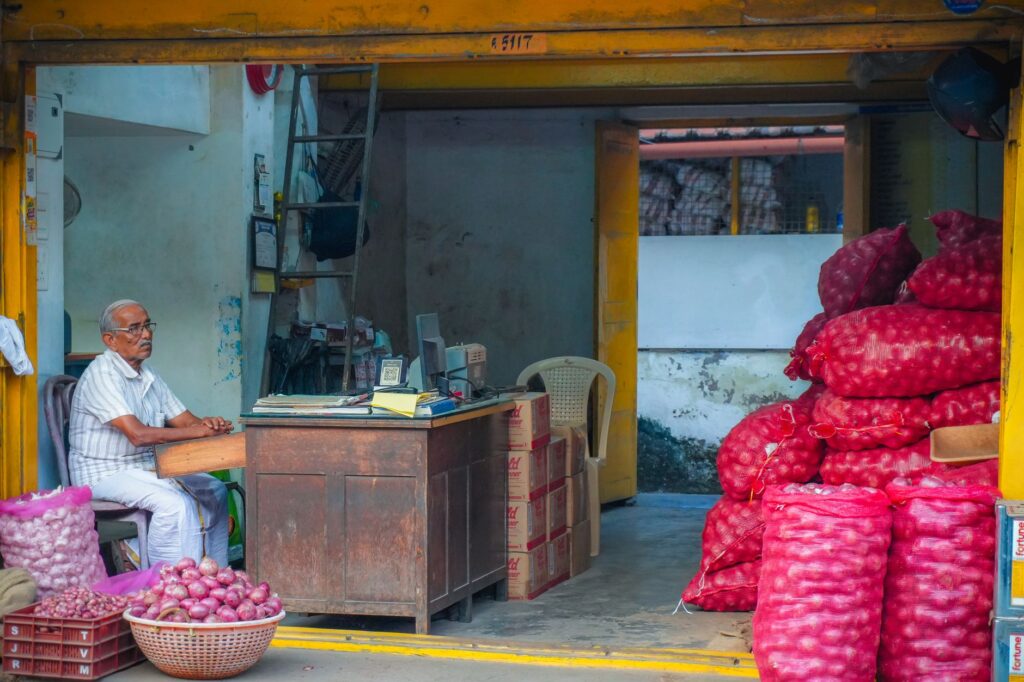

The Indian government has officially raised the onion procurement price by 13% to ₹2,125 per quintal, marking the fifth upward revision this season. This strategic move, confirmed this week in New Delhi, aims to bolster the country’s buffer stock and stabilize domestic market volatility. By increasing the purchase price, the government seeks to ensure remunerative returns for farmers while securing supply chains against potential price spikes.
Context of the Procurement Strategy
Onions are a staple of the Indian diet and a sensitive political commodity. To manage retail inflation, the Department of Consumer Affairs maintains a Price Stabilization Fund, which procures onions directly from farmers during peak harvest seasons. This buffer stock is then released into the market during lean periods to dampen price surges.
This season has seen an unusually aggressive series of price adjustments. The procurement rate has climbed steadily from an initial ₹12.70 per kilogram at the start of the season to the current rate of ₹21.25 per kilogram. This represents a significant deviation from previous years, reflecting changing weather patterns and supply chain disruptions.
Analyzing the Rapid Price Revisions
The sequence of revisions reveals a reactive approach to supply chain realities. Since May 22, the government has adjusted the price on five separate occasions, moving from ₹15.80/kg in late May to ₹16.50/kg in mid-June, followed by incremental hikes to ₹17.30/kg and ₹18.75/kg. These frequent adjustments suggest that the government is closely monitoring harvest yields and regional supply gaps.
Agricultural analysts note that these upward revisions serve a dual purpose. Beyond just building the buffer, the higher procurement price acts as a support mechanism for producers who have faced rising cultivation costs. According to data from the National Agricultural Cooperative Marketing Federation of India (NAFED), consistent procurement is essential to prevent distress sales by farmers when market arrivals are at their highest.
Expert Perspectives and Market Data
Industry experts suggest that the 13% hike is a response to tighter supply projections for the coming quarter. High heatwaves in major producing states have impacted output, leading to concerns regarding long-term storage viability. If the current trend of increasing procurement costs continues, retail prices may face upward pressure later in the year.
Data indicates that the aggressive procurement strategy is being deployed to preempt the festive season, which typically sees a spike in demand. By securing a larger volume of high-quality stock now, the government hopes to maintain a consistent supply for metropolitan centers. This proactive stance is intended to mitigate the need for restrictive export policies that have caused friction in global trade in the past.
Industry Implications and Future Outlook
For the agricultural sector, these frequent revisions highlight a shift toward more dynamic price support systems. Farmers are likely to benefit from the higher floor price, provided the procurement infrastructure can handle the volume. However, the industry remains wary of how these government-set prices will influence private market competition.
Looking ahead, market observers will be watching the total volume of the buffer stock achieved by the end of the procurement window. If the government fails to meet its target despite these price hikes, it may signal deeper structural issues in supply chain logistics. Stakeholders should monitor upcoming weather forecasts and local market arrival data, as any further disruption could necessitate additional price adjustments or more stringent inventory management protocols before the end of the year.