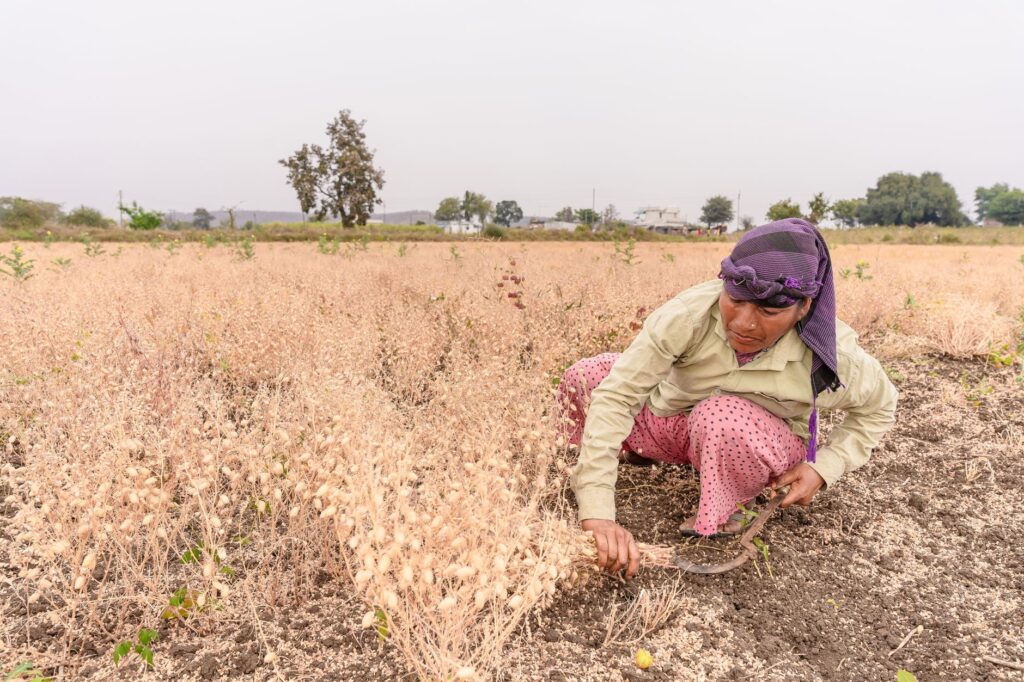

A significant surge in female workforce participation across India in 2024 has masked a concerning trend: the majority of this growth is concentrated in unpaid domestic and agricultural labor rather than formal, salaried employment. According to a recent report by the Indian Council for Research on International Economic Relations (ICRIER), while government data shows more women entering the labor market, the quality of these roles remains largely stagnant, leaving millions without financial autonomy or job security.
The Context of Labor Statistics
India’s Periodic Labour Force Survey (PLFS) has reported a steady increase in the Female Labour Force Participation Rate (FLFPR) over the past several years. Policymakers have often touted this as a success story for gender inclusivity and economic development.
However, researchers argue that these metrics conflate formal employment with “unpaid helper” status. This category includes women who work on family farms or manage household enterprises without receiving a direct wage, effectively rendering their economic contributions invisible in traditional income-based assessments.
The Shift Toward Informal Agriculture
The ICRIER findings suggest that this uptick is largely driven by rural distress. When household incomes struggle to keep pace with inflation, families often pull women into agricultural work to sustain the household, rather than the women entering the workforce through choice or professional development.
This shift reflects a lack of structural transformation in the Indian economy. While urban manufacturing and services sectors offer pathways to steady income, the rural sector remains the primary absorber of female labor, often under exploitative or informal conditions.
Expert Perspectives and Economic Reality
Economists point out that the absence of a “wage” creates a cycle of dependency. Without a formal paycheck, women are excluded from social security benefits, pension schemes, and credit access, which are foundational for long-term financial independence.
Data from the report indicates that for every five women joining the workforce, at least three are absorbed into non-remunerative family enterprises. This trend persists despite India’s rapid digital and industrial growth, suggesting that the benefits of recent economic expansion are not reaching women in the informal sector.
Implications for the Future
The disconnect between rising participation rates and stagnant wage growth presents a major challenge for Indian policymakers. If the goal is genuine economic empowerment, the focus must shift from merely increasing the number of working women to improving the quality of the jobs available to them.
Watch for upcoming government initiatives aimed at formalizing rural work and expanding vocational training programs that target female workers. Analysts will be monitoring the next round of PLFS data to determine if the current trend of unpaid labor is a temporary response to economic pressure or a long-term structural bottleneck that threatens to stall India’s demographic dividend.