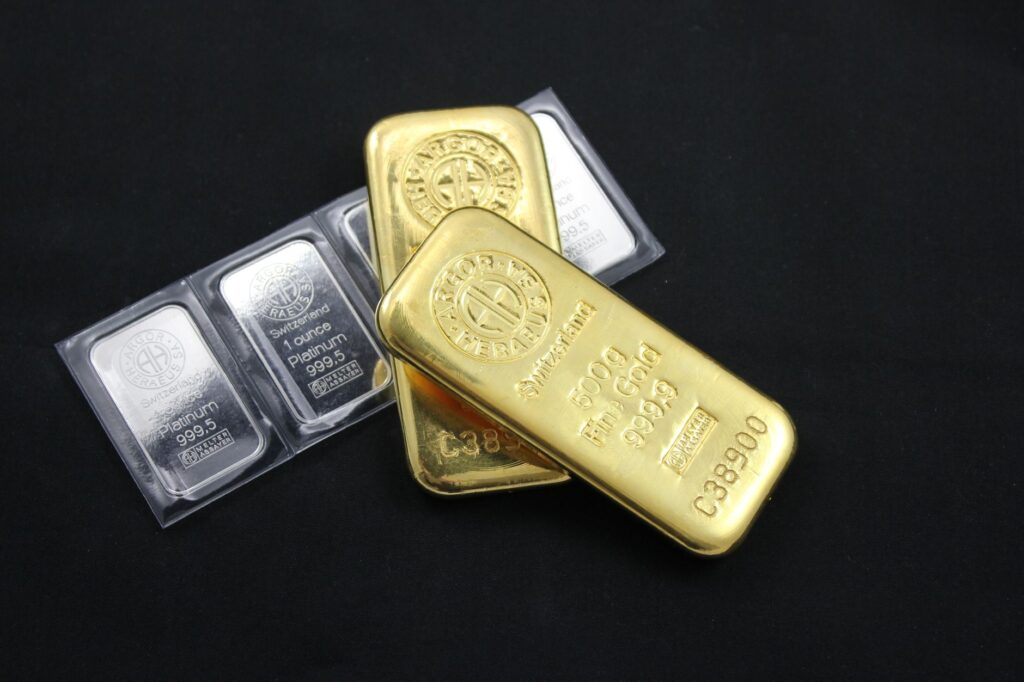

The Current Landscape for Precious Metals
Gold prices have retreated from record highs this week as investors recalibrate their portfolios amidst shifting macroeconomic signals. Global financial markets are currently weighing the impact of aggressive central bank interest rate policies and cooling inflation data, which have temporarily dampened the appeal of non-yielding assets like bullion.
Understanding the Recent Price Correction
The recent pullback follows a period of historic gains that saw gold reach unprecedented levels earlier this year. Historically, gold prices often move inversely to real interest rates and the strength of the U.S. dollar. When Treasury yields climb, the opportunity cost of holding gold—which provides no dividends or interest—increases, prompting investors to shift capital toward higher-yielding alternatives.
The Multi-Faceted Drivers of Gold Demand
Central bank activity remains a cornerstone of gold’s long-term valuation. According to the World Gold Council, central banks globally have maintained a consistent buying pace to diversify foreign exchange reserves and hedge against currency volatility. This institutional demand creates a fundamental floor for the metal’s price, even when retail sentiment fluctuates.
Geopolitical instability continues to serve as a primary catalyst for safe-haven buying. Conflicts in Eastern Europe and the Middle East keep market participants on edge, frequently driving capital toward gold as a traditional store of value. When diplomatic tensions rise, historical data shows a direct correlation with increased trading volumes in gold-backed exchange-traded funds (ETFs).
Trade policy also plays a critical role in the current narrative. Looming concerns over protectionist trade measures and potential tariff escalations could trigger market volatility. Analysts suggest that if trade tensions evolve into broader economic friction, the resulting uncertainty could reignite investor interest in gold as a defensive hedge.
Expert Perspectives and Economic Indicators
Market analysts are closely monitoring the Federal Reserve’s upcoming policy meetings for clues regarding the trajectory of interest rates. A pivot toward monetary easing could serve as the primary spark for the next gold rally. Lower interest rates typically weaken the dollar, making gold more affordable for international buyers and increasing its attractiveness to domestic investors.
Furthermore, recession fears have not entirely dissipated from the market consciousness. While recent economic indicators suggest a resilient labor market, any signs of a significant contraction would likely force a flight to safety. Financial institutions, including Goldman Sachs and JP Morgan, have noted that even moderate recessionary pressures often lead to a renewed bull run in precious metals as investors seek to protect capital from equity market drawdowns.
Future Implications and Market Outlook
Investors should watch the intersection of inflation data and central bank rhetoric in the coming quarter. If inflation remains sticky while economic growth slows, the phenomenon of stagflation could emerge, historically one of the most favorable environments for gold appreciation.
The next phase of the gold cycle will likely be defined by the pace of de-dollarization among emerging economies and the sustainability of U.S. fiscal deficits. As debt-to-GDP ratios continue to climb, long-term investors are increasingly questioning the stability of fiat currencies, potentially strengthening the case for physical bullion as a permanent fixture in diversified portfolios.