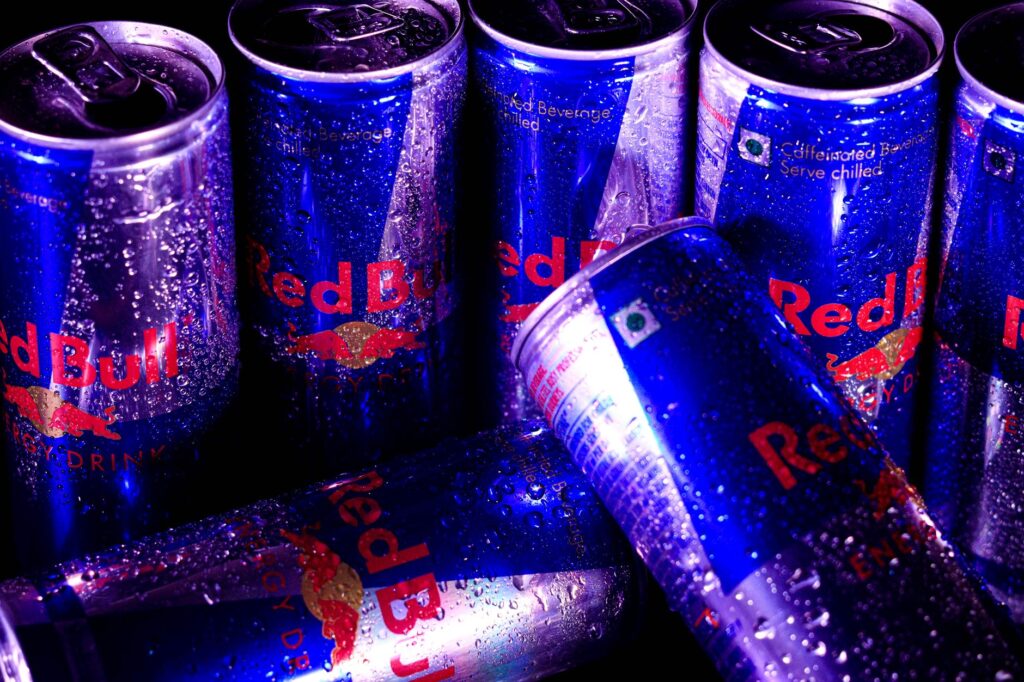

India’s food safety regulator, the Food Safety and Standards Authority of India (FSSAI), has initiated a significant regulatory shift impacting the high-caffeine beverage market. In June, the FSSAI issued an order prohibiting manufacturers of such beverages from using the ‘energy drink’ description, a move that has been met with strong opposition from industry players. This decision, which rejected prior efforts to delay the intervention, has prompted a legal challenge from global beverage giant Red Bull, according to reporting by Livemint.
Key Takeaways:
- The FSSAI has banned the use of the ‘energy drink’ label for high-caffeine beverages in India.
- Red Bull has filed a lawsuit against the FSSAI, arguing the label ban could halt its business operations.
- This regulatory action impacts India’s energy drink market, projected to reach $1.6 billion by 2028.
- The decision highlights increasing regulatory scrutiny on product labeling and marketing claims within the consumer goods sector.
The Regulatory Crackdown and Its Rationale
The FSSAI’s directive represents a critical tightening of regulations within India’s rapidly expanding food and beverage sector. While the specific rationale for the ban on the ‘energy drink’ label was not detailed in the source, such interventions often stem from concerns over public health, misleading marketing, or a desire to standardize product classifications. For companies operating in India, understanding the nuances of these regulatory shifts is paramount, as non-compliance can lead to significant operational disruptions and legal battles.
Red Bull’s Legal Challenge and Business Impact
Red Bull’s decision to sue the FSSAI underscores the severe implications of this labeling ban. The company contends that prohibiting the use of ‘energy drink’ could effectively bring its business to a standstill. This highlights the critical role that product descriptors play in brand identity, consumer perception, and market positioning, especially for a brand like Red Bull that is synonymous with the ‘energy drink’ category globally.
The Indian energy drink market is a substantial and growing segment, projected to be worth $1.6 billion by 2028. A blanket ban on the primary descriptor for products within this category could force a complete re-evaluation of marketing strategies, product formulations, and supply chain logistics for all players. For businesses reliant on specific product classifications, such regulatory changes introduce considerable market risk and necessitate agile strategic responses.
Strategic Implications for the Beverage Industry
This FSSAI action serves as a stark reminder for global and domestic beverage companies about the dynamic nature of regulatory environments, particularly in emerging markets like India. Companies must invest in robust regulatory intelligence and compliance frameworks to navigate such challenges effectively. The Red Bull lawsuit could set a precedent for how similar disputes between regulators and multinational corporations are handled, influencing future market entry and operational strategies.
Beyond the immediate legal battle, this situation compels businesses to consider:
Adapting Product Strategy
Manufacturers may need to explore alternative product names, reformulate beverages to fit different regulatory categories, or pivot their marketing to emphasize other product attributes. This requires deep market analysis and consumer insight to maintain brand relevance without the ‘energy drink’ label.
Enhanced Regulatory Due Diligence
The incident stresses the importance of proactive engagement with regulatory bodies and thorough due diligence on local food and labeling laws before significant market investments. Understanding the regulatory architecture and potential for shifts is crucial for long-term corporate strategy.
The outcome of Red Bull’s lawsuit against the FSSAI will undoubtedly have far-reaching consequences, shaping the future landscape of India’s high-caffeine beverage market and influencing corporate strategic planning for years to come.