
Scaling New Heights in Global Trade
Union Commerce Minister Piyush Goyal announced this week that India is on a clear trajectory to exceed $1 trillion in total exports for the current fiscal year. During a recent industry briefing, the minister revealed that the nation recorded a robust 15% increase in exports during the first three months of FY27, signaling a strong start to the government’s aggressive trade expansion strategy.
The push toward the $1 trillion mark represents a significant acceleration for the Indian economy. By urging domestic firms to look beyond the local market, the Ministry of Commerce and Industry aims to transition India from a consumption-led economy into a global manufacturing and supply chain powerhouse.
The Strategic Shift Toward Global Integration
For decades, India’s export sector remained secondary to its massive domestic consumption demand. However, recent geopolitical shifts and the global ‘China Plus One’ manufacturing strategy have provided a unique window of opportunity for Indian exporters to capture larger market shares in Europe, North America, and Southeast Asia.
Data from the Ministry of Commerce shows that the 15% growth rate is driven largely by high-value engineering goods, electronics, and pharmaceutical products. This shift marks a departure from traditional reliance on raw commodities, suggesting that India is moving up the value chain in industrial production.
Infrastructure and Policy Support
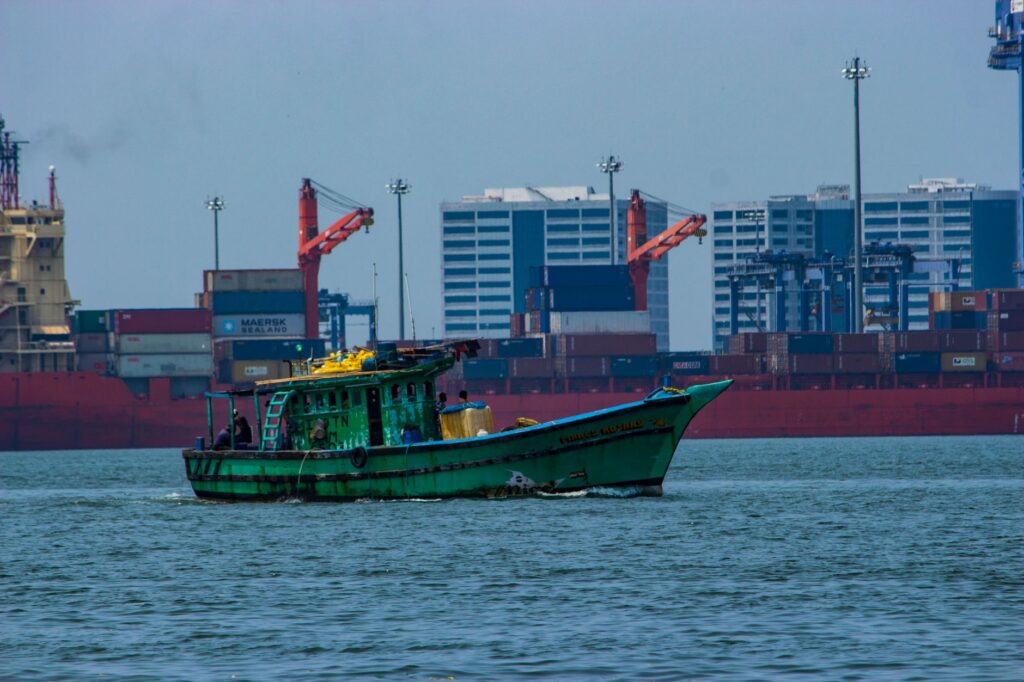
To facilitate this rapid growth, the government has committed to a multi-pronged support strategy. Minister Goyal emphasized that the administration is fast-tracking infrastructure projects, including the integration of logistics corridors and the modernization of major ports to reduce turnaround times for container ships.
Furthermore, the government is actively pursuing bilateral and multilateral trade agreements. By lowering tariff barriers and simplifying compliance procedures, the Ministry intends to reduce the ‘cost of doing business’ for small and medium-sized enterprises (SMEs) looking to enter foreign markets for the first time.
Expert Perspectives on Market Expansion
Economic analysts suggest that the $1 trillion target is ambitious but achievable if supply chain efficiencies continue to improve. According to reports from the World Trade Organization (WTO), India currently accounts for approximately 2.5% of global merchandise exports, leaving significant room for growth if the country successfully diversifies its product basket.
Financial experts note that the government’s focus on ‘Ease of Doing Business’ is critical. While export growth is currently high, sustaining this momentum will require consistent investment in research and development to ensure that Indian products remain competitive against rivals in Vietnam, Mexico, and Indonesia.
Future Implications for the Industry
For domestic businesses, the directive to look outward necessitates a fundamental change in operational standards. Companies must now align their quality control processes with international benchmarks to compete in highly regulated Western markets.
Moving forward, stakeholders will be watching the upcoming quarterly trade data closely to see if the 15% growth rate holds against potential global economic headwinds, such as fluctuating energy costs and currency volatility. The ability of the government to finalize ongoing trade pacts with the European Union and the United Kingdom will likely serve as the primary catalyst for reaching the year-end target.