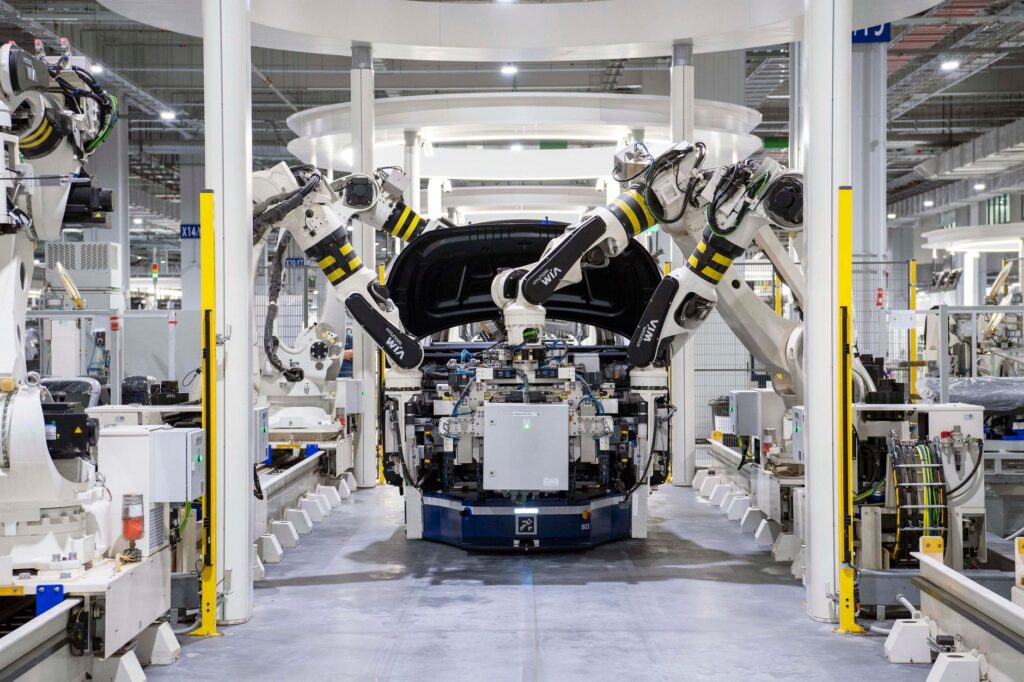

Ford Motor Company CEO Jim Farley announced this week that the automaker has implemented a rigorous new strategy to ensure flawless vehicle launches, marking a pivotal shift in how the company manages quality control and production timelines. Speaking to CNBC, Farley acknowledged that recurring recall issues and manufacturing inefficiencies have significantly hampered the company’s recent earnings and brand reputation, prompting an internal overhaul of engineering and testing protocols.
Understanding the Historical Context of Quality Struggles
For several years, Ford has grappled with a high volume of vehicle recalls that strained its financial performance and tested consumer loyalty. Industry analysts have frequently pointed to the complexity of transitioning from internal combustion engines to electric vehicle architectures as a primary driver of these technical setbacks.
These quality challenges often resulted in substantial warranty costs, which totaled billions of dollars over the last two fiscal years. By addressing these systemic gaps, Ford leadership aims to stabilize its bottom line while restoring investor confidence in the company’s ability to scale new technology effectively.
A Shift in Engineering and Launch Protocols
The core of Ford’s new initiative involves a more disciplined approach to the pre-production phase. Farley emphasized that the company is moving away from aggressive launch schedules that prioritize speed over comprehensive stress testing.
New protocols include extended validation periods and a more integrated communication loop between design engineers and assembly line managers. By identifying potential software and hardware glitches earlier in the development cycle, the firm intends to minimize the need for post-market corrective actions.
Data from recent industry reports suggests that automotive manufacturers who prioritize ‘right-first-time’ manufacturing see a significant reduction in long-term warranty expenses. Ford is currently leveraging advanced data analytics to predict component failure rates before they reach the consumer, a move that aligns with broader industry trends toward predictive maintenance and manufacturing.
Industry Perspectives on Quality Benchmarking
Market experts observe that the entire automotive sector is currently under pressure to improve software reliability as vehicles become increasingly digitized. According to recent J.D. Power studies, initial quality scores across the industry have plateaued, with electronic system malfunctions remaining a top concern for new car owners.
By targeting these specific electronic pain points, Ford hopes to differentiate itself from competitors who continue to struggle with infotainment glitches and driver-assist system errors. Analysts note that this strategy is not merely about reputation; it is a fundamental requirement for the high-stakes transition into software-defined vehicles.
Future Implications for the Automotive Landscape
The success of this strategy will be measured by the performance of upcoming vehicle model years and the reduction in recall-related expenditures. Investors and industry observers will be watching the next round of quarterly financial reports to see if the decrease in warranty accruals reflects the effectiveness of these new quality controls.
Moving forward, the industry should expect an increased focus on the ‘launch maturity’ of new models rather than just the volume of units produced. If Ford succeeds in its mandate for flawless launches, it could set a new industry standard for reliability that forces competitors to adopt similarly cautious, quality-first manufacturing frameworks.