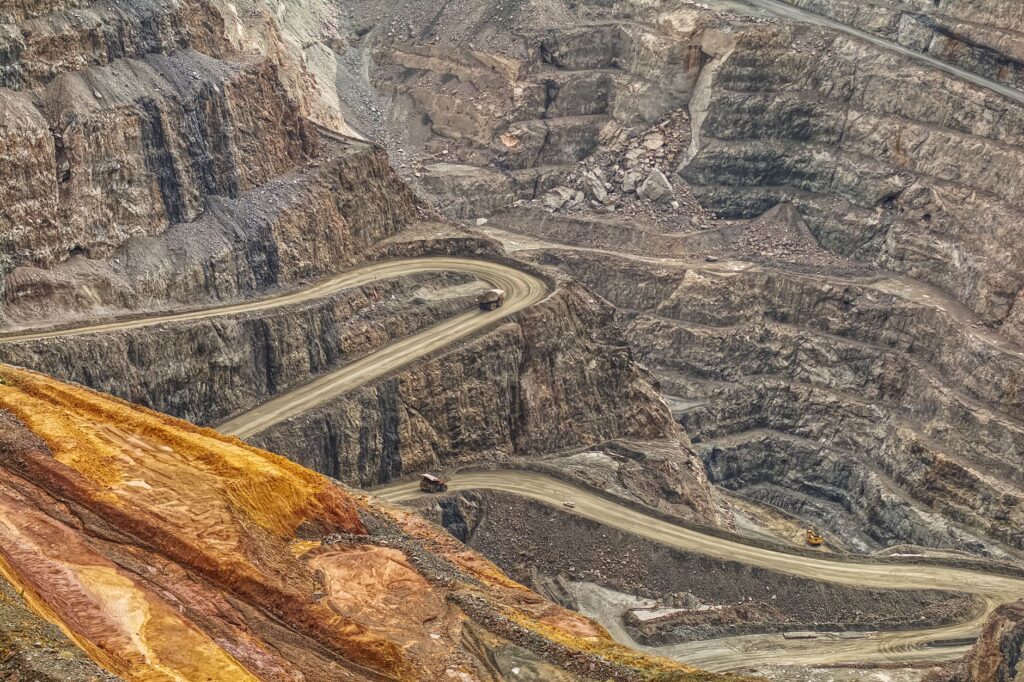

Overview of the Venezuelan Mining Industry
The mining industry in Venezuela has long captured the attention of international resource developers and economists alike. Known for its vast expanse of mineral-rich terrain, the nation holds significant promise for large-scale extraction operations. However, realizing this potential requires a comprehensive understanding of the underground resources that remain largely unmeasured or insufficiently documented by modern standards.
Historical Context and Development
For decades, the national economy relied heavily on petroleum exports, often overshadowing the diverse mineral wealth located inland. While oil dominated financial policy, secondary mineral deposits attracted varied levels of state and private attention. Efforts to formalize and expand extraction began decades ago, yet systemic shifts and economic fluctuations frequently altered the trajectory of industry development.
Geological Potential and Resource Diversity
Beneath the surface terrain lie significant deposits of various minerals, including gold, diamonds, coltan, iron ore, and bauxite. The Orcinoco Mining Arc, designated as a primary zone for resource development, represents a massive geographical territory spanning a substantial portion of the southern region. Despite the known presence of these valuable commodities, precise measurements of reserve sizes and grades remain incomplete across many specific sub-regions.
The Need for Comprehensive Data
A primary hurdle facing modern industry analysts is the scarcity of up-to-date, publicly verifiable geological data. Modern extraction projects depend heavily on rigorous preliminary surveys, core sampling, and advanced mapping to determine commercial viability. Without exhaustive scientific assessments, investors and operators face heightened uncertainty regarding the actual volume and accessibility of target deposits.
Technological and Infrastructural Challenges
Upgrading the mining landscape requires significant technological investments and robust infrastructure. Transporting heavy machinery, processing raw ores, and establishing reliable power supplies in remote areas demand extensive capital expenditure. Furthermore, outdated exploration techniques limit the ability of domestic agencies to catalog deep-seated or complex mineral structures accurately.
Environmental and Regulatory Frameworks
Sustainable resource development necessitates stringent oversight to protect sensitive ecosystems and local communities. Regulatory standards must balance economic growth with ecological preservation, particularly in areas rich in biodiversity. Establishing clear, enforceable guidelines remains essential for building trust among international partners and ensuring responsible industry practices.
Future Outlook for the Sector
The trajectory of the mineral extraction industry in the region depends largely on transparency, technical modernization, and capital investment. As global demand for critical minerals continues to evolve, accurate geological assessments will serve as the foundation for any future expansion. Addressing the existing data gaps will ultimately determine how effectively the nation can integrate its mineral wealth into the broader global economy.