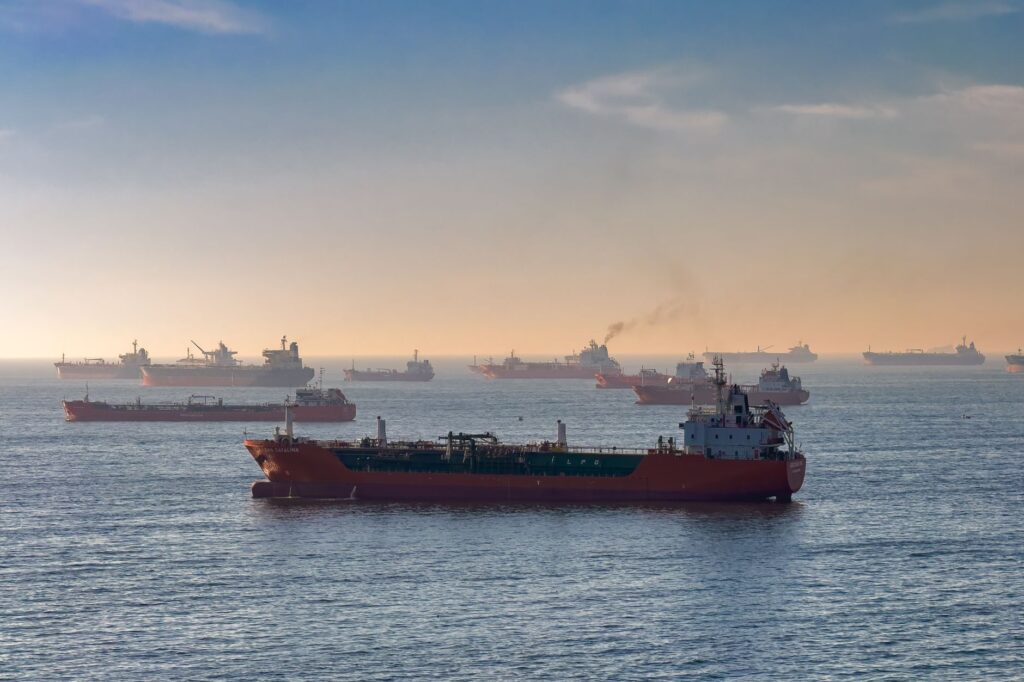

Geopolitical tensions and military conflicts in the Middle East have historically served as primary catalysts for shifts in worldwide energy logistics. Recently, ongoing hostilities involving Iran have triggered a massive transformation in how petroleum moves across the globe. Energy markets are constantly adapting to new realities as traditional pathways become increasingly perilous or economically unviable for major shipping conglomerates.
Historical Context of Global Energy Transit
For decades, the global economy has relied heavily on specific maritime bottlenecks to transport crude oil from production centers in the Middle East to major consumption hubs in Asia, Europe, and the Americas. The Strait of Hormuz, situated between Oman and Iran, stands out as one of the most critical transit points on Earth. A substantial portion of the world’s petroleum supply typically navigates these narrow waters daily, making the region a linchpin of international economic stability.
When military conflicts escalate in and around Iran, the immediate consequence is heightened risk for commercial vessels. Insurance premiums skyrocket, and shipowners frequently refuse to send crews into active danger zones. Consequently, maritime operators are forced to reevaluate their standard operating procedures, steering away from traditional corridors in favor of longer, alternative journeys that bypass volatile choke points entirely.
Emerging Trade Pathways and Diversification
The necessity to circumvent high-risk areas has accelerated the adoption of alternative pipelines and maritime routes. Producers in the Middle East are heavily investing in overland pipeline networks designed to transport crude directly to open-water terminals outside the immediate zone of conflict. These infrastructure projects, though costly to build and maintain, offer a vital layer of security against sudden maritime blockades or military escalations.
At the same time, refiners in importing nations are diversifying their supplier base. Rather than depending disproportionately on shipments originating from the Persian Gulf, buyers are increasingly turning to producers in the Americas, West Africa, and the North Sea. This geographic diversification alters traditional trade balances and alters the cost structures of energy procurement worldwide.
Economic Implications for Importers and Exporters
Shifting global trade routes is rarely a seamless process, and the financial ramifications are felt across multiple sectors. Longer transit times naturally translate to higher shipping costs, as vessels consume more fuel and tie up capital for extended periods. These increased logistics expenses eventually trickle down to end consumers, influencing the price of refined products such as gasoline, diesel, and jet fuel.
Exporting nations face a complex set of challenges as well. While higher global energy prices can sometimes boost state revenues, the physical inability to move product efficiently can severely constrain export volumes. Facilities must balance production rates with available storage capacity, leading to potential output curtailments if logistics bottlenecks persist over prolonged periods.
Long-Term Outlook for Energy Security
The ongoing restructuring of petroleum transit points highlights the critical importance of energy security in modern geopolitics. Policymakers and industry leaders are placing renewed emphasis on strategic reserves, domestic production capabilities, and robust supply chain redundancies. As the landscape of international relations continues to evolve, the ability to rapidly adapt to sudden disruptions will remain a defining characteristic of successful energy markets.
Ultimately, the current pressures on international petroleum logistics demonstrate that the global trade architecture is far more flexible than previously assumed, yet inherently vulnerable to localized conflict. As market participants navigate these uncharted waters, innovation in risk management and infrastructure development will shape the future of worldwide energy commerce.