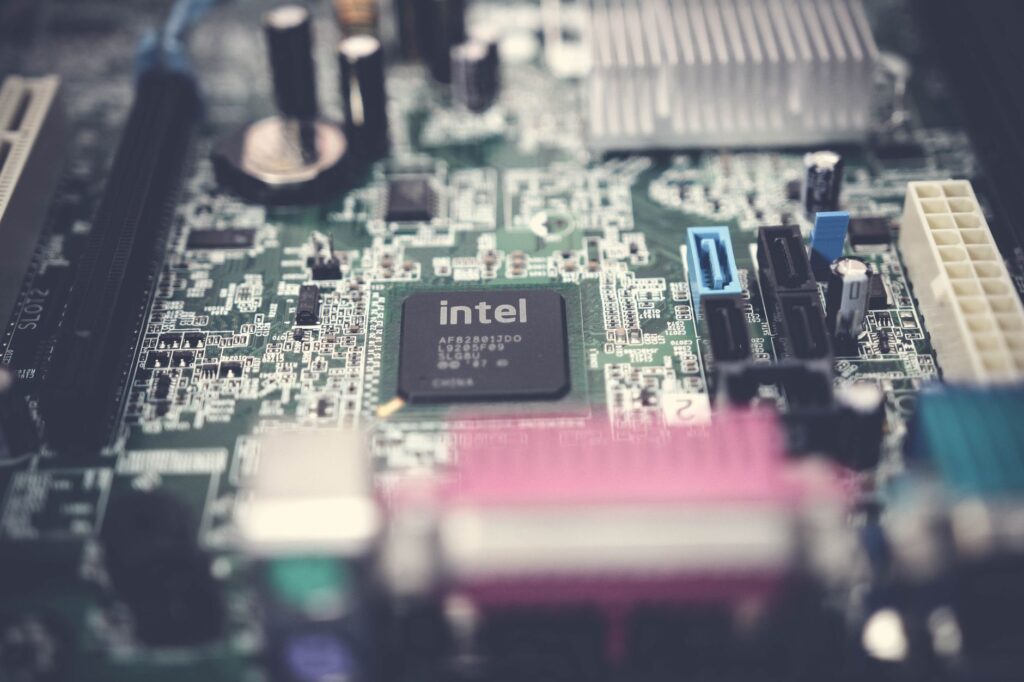

Artificial intelligence continues to drive massive shifts across the technology sector, creating unique opportunities and challenges for legacy semiconductor companies. Intel finds itself navigating this complex landscape, experiencing genuine momentum from artificial intelligence tailwinds while simultaneously facing conservative evaluations from financial institutions. A prime example of this market dichotomy is Mizuho’s recent decision to adjust its price target downward despite acknowledging the ongoing technological progress.
Understanding the Intel AI Tailwinds
Intel has spent the past several years aggressively restructuring its business model to capture a meaningful share of the booming artificial intelligence hardware market. The company has introduced specialized processors and advanced foundry capabilities designed to compete directly with industry giants like NVIDIA and AMD. These technological advancements represent real momentum, providing enterprise customers with alternative pathways to scale their artificial intelligence workloads.
Industry observers note that the growing demand for silicon optimized for machine learning has created tangible revenue opportunities for Intel. Data center upgrades and the proliferation of edge computing require diverse hardware solutions, positioning Intel well within the broader tech ecosystem. The tailwinds are not merely theoretical; they translate into product shipments, strategic partnerships, and a revitalized product roadmap that addresses the core demands of modern computing infrastructure.
Why Mizuho Lowered the Price Target
Despite the clear presence of artificial intelligence tailwinds, financial institutions must weigh growth catalysts against macroeconomic headwinds and execution risks. Mizuho’s decision to cut its price target on Intel reflects a cautious valuation approach rather than a dismissal of the company’s technological potential. Semiconductor manufacturing requires immense capital expenditure, and the timeline for achieving high-margin returns on these investments can be protracted.
Analysts at Mizuho likely considered the broader competitive pressures within the foundry and processor markets. While artificial intelligence represents a high-growth sector, traditional personal computer markets and legacy server segments may experience slower recovery trajectories. This mixed demand environment creates earnings uncertainty, prompting financial firms to adopt conservative stances on near-term stock performance even when long-term technological trends remain positive.
Balancing Growth Catalysts and Market Realities
The divergence between operational tailwinds and financial caution highlights the intricacies of investing in the semiconductor industry. Intel’s management faces the dual task of scaling advanced manufacturing nodes and proving that artificial intelligence revenue can offset cyclical downturns in other divisions. Execution remains the critical variable for the company moving forward.
For investors and market watchers, the situation emphasizes the importance of looking beyond single metrics. Artificial intelligence momentum provides a strong foundation for future expansion, yet valuation discipline requires accounting for capital costs, competitive intensity, and broader economic conditions. Mizuho’s adjusted target serves as a reminder that technological success does not automatically guarantee immediate equity appreciation.
Looking Ahead for Intel
As the artificial intelligence landscape matures, the market will closely monitor Intel’s ability to convert its product advancements into sustained profitability. The coming quarters will test the company’s execution capabilities across both its design and foundry operations. While the current financial caution from firms like Mizuho introduces near-term skepticism, the underlying artificial intelligence tailwinds ensure that Intel remains a central player in the future of computing hardware.