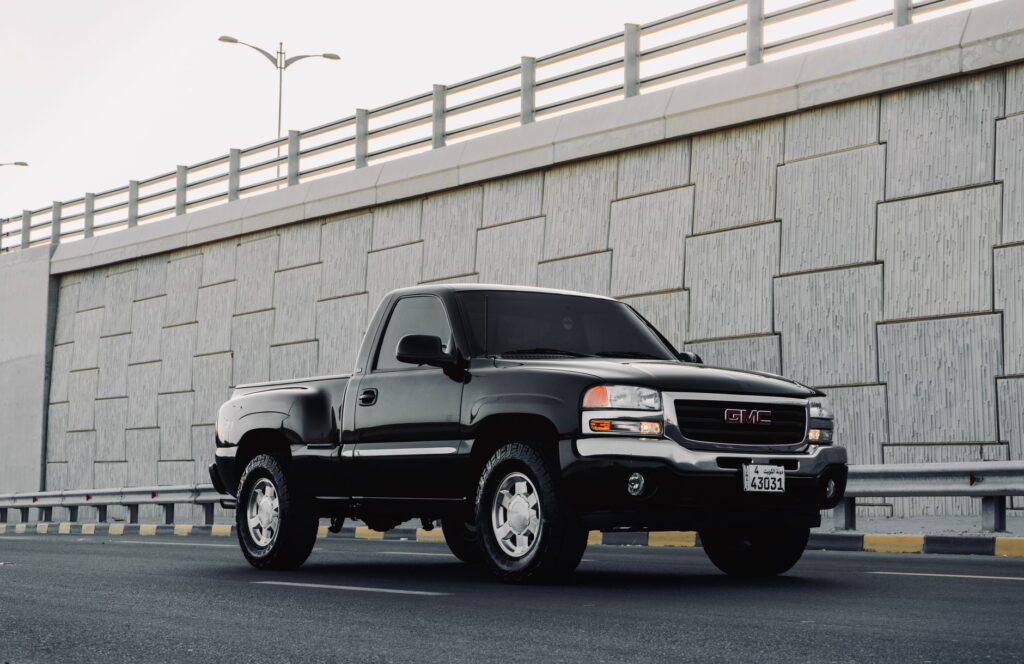

A Strategic Shift for GMC
General Motors officially unveiled its highly anticipated 2027 GMC Sierra lineup this week, featuring a comprehensive aesthetic redesign and the introduction of next-generation V-8 engines. The reveal, held at the company’s Warren, Michigan technical center, signals a major refresh for the automaker’s most profitable vehicle segment, targeting a release date in the second half of 2026 for the North American market.
The Sierra serves as a cornerstone of GM’s financial health, consistently delivering high margins through its premium Denali and performance-oriented AT4 sub-brands. By updating the platform now, GM aims to maintain its competitive edge against rivals like the Ford F-150 and Ram 1500 in the cutthroat full-size pickup truck category.
Evolution of Design and Engineering
The 2027 model year marks a significant departure from the outgoing Sierra’s styling, adopting a more aggressive, aerodynamic front fascia and integrated LED lighting signatures. Designers focused on improving drag coefficients to optimize fuel efficiency without sacrificing the truck’s iconic, muscular silhouette.
Under the hood, the powertrain strategy centers on newly engineered V-8 engines designed to meet tightening emissions standards while increasing torque output. These engines utilize advanced cylinder deactivation technology and improved thermal management systems, reflecting a broader industry trend of balancing traditional power with modern efficiency requirements.
Market Context and Industry Impact
Full-size pickups remain the most lucrative segment for Detroit automakers, often accounting for a significant portion of quarterly earnings. Data from Kelley Blue Book indicates that transaction prices for full-size trucks have risen steadily over the last five years, driven largely by consumer demand for luxury-trimmed vehicles like the Sierra Denali Ultimate.
Industry analysts note that GM’s decision to continue investing heavily in internal combustion engine (ICE) development for the Sierra is a calculated move. While the company pursues an all-electric future, high-margin combustion trucks remain the financial engine that funds the transition to battery-electric vehicle production.
Expert Perspectives
“GM is playing a dual-track strategy,” says automotive analyst Marcus Thorne. “They are refining the traditional truck formula that their loyal customer base demands, while simultaneously pouring resources into their EV lineup. For the 2027 Sierra, the goal is to keep current owners from defecting to competitors who have recently refreshed their own offerings.”
Beyond the engine bay, the 2027 Sierra integrates an upgraded digital cockpit, featuring a larger, high-definition infotainment array and expanded driver-assistance capabilities. These features are designed to keep the truck competitive with the increasingly technology-focused cabins seen in modern luxury SUVs.
Looking Ahead
As production nears, the industry will watch how GM manages the supply chain for these new V-8 components, particularly amid global volatility. Investors are closely monitoring whether the increased production costs associated with the new engines can be offset by higher MSRPs without alienating core buyers.
The next phase of the rollout will involve the announcement of pricing tiers and the specific fuel economy ratings for the new powertrain options. Observers should watch for how quickly GM transitions its manufacturing facilities to accommodate the new architecture, as this will determine the model’s availability during the critical 2027 launch window.