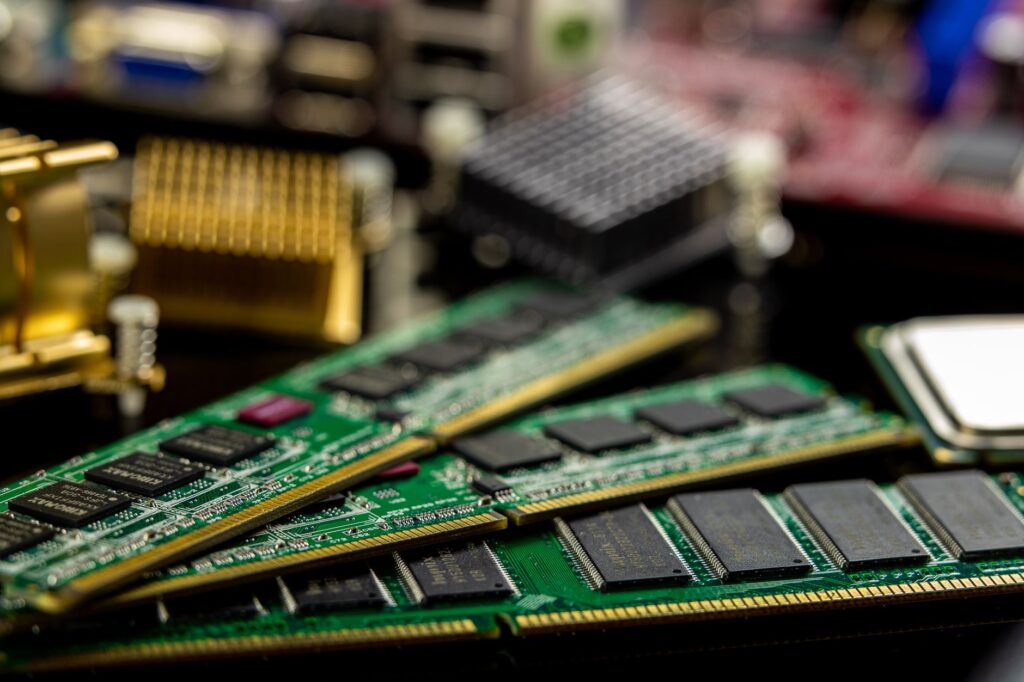

The Price of Progress
A global surge in memory chip prices is forcing electronics retailers to reconsider their pricing strategies, as high-performance semiconductors are diverted to fuel the rapid expansion of artificial intelligence infrastructure. This supply-side pressure, observed throughout the second half of 2024, threatens to increase the cost of consumer laptops and smartphones while raising the specter of inventory shortages as manufacturers prioritize high-margin AI hardware.
The Context of Scarcity
The semiconductor industry is currently navigating a fundamental shift in demand patterns. While consumer electronics sales remained stagnant for much of the post-pandemic period, the explosive growth of generative AI has created an insatiable appetite for High Bandwidth Memory (HBM) and dynamic random-access memory (DRAM).
Major chip manufacturers, including Samsung, SK Hynix, and Micron, have reallocated production capacity toward these specialized AI-focused components. This strategic pivot has effectively tightened the global supply of standard memory chips utilized in everyday consumer devices.
Market Dynamics and Supply Chain Strain
Industry analysts indicate that the current supply crunch is not merely a temporary bottleneck but a structural realignment of the chip market. With AI servers requiring significantly more memory than standard consumer hardware, the competition for wafer capacity has become intense.
Market intelligence firm TrendForce recently reported that contract prices for DRAM have experienced consecutive quarterly increases, driven by this supply scarcity. Retailers, already operating on thin margins, are now facing difficult decisions regarding whether to absorb these rising costs or pass them directly to the end consumer.
The impact is particularly acute in the laptop sector, where memory costs represent a significant portion of the total bill of materials. Manufacturers are increasingly hesitant to commit to large-scale production runs without guaranteed component availability, leading to a potential cooling in product refreshes for the upcoming holiday season.
Expert Perspectives
Technology supply chain analysts note that the industry is experiencing a ‘bifurcation’ of the market. While the enterprise sector continues to secure priority status, consumer electronics brands are finding themselves at the back of the queue.
Dr. Elena Rossi, a semiconductor market researcher, notes that ‘the supply chain is no longer elastic enough to support both the AI boom and the standard consumer upgrade cycle simultaneously.’ This imbalance suggests that the current pricing pressure is likely to persist until additional production facilities, currently under construction, come online in late 2025.
Implications for the Industry
For the average consumer, this translates to a likely increase in the retail price of new devices, or in some cases, a reduction in base specifications for entry-level models. Retailers may also see a shift in stock availability as manufacturers prioritize markets with higher demand for AI-capable hardware.
Investors and industry stakeholders are now closely monitoring the production output of major foundries to determine if the shortage will stabilize. Future market trends will depend heavily on whether memory manufacturers can successfully scale HBM production without further neglecting the standard DRAM needs of the broader electronics sector.
Market watchers should look for upcoming quarterly earnings reports from major smartphone and laptop OEMs, which will likely provide the clearest signal on how these costs are being managed. If manufacturers continue to face margin compression, significant price hikes across the consumer tech landscape may become unavoidable by the first quarter of next year.