





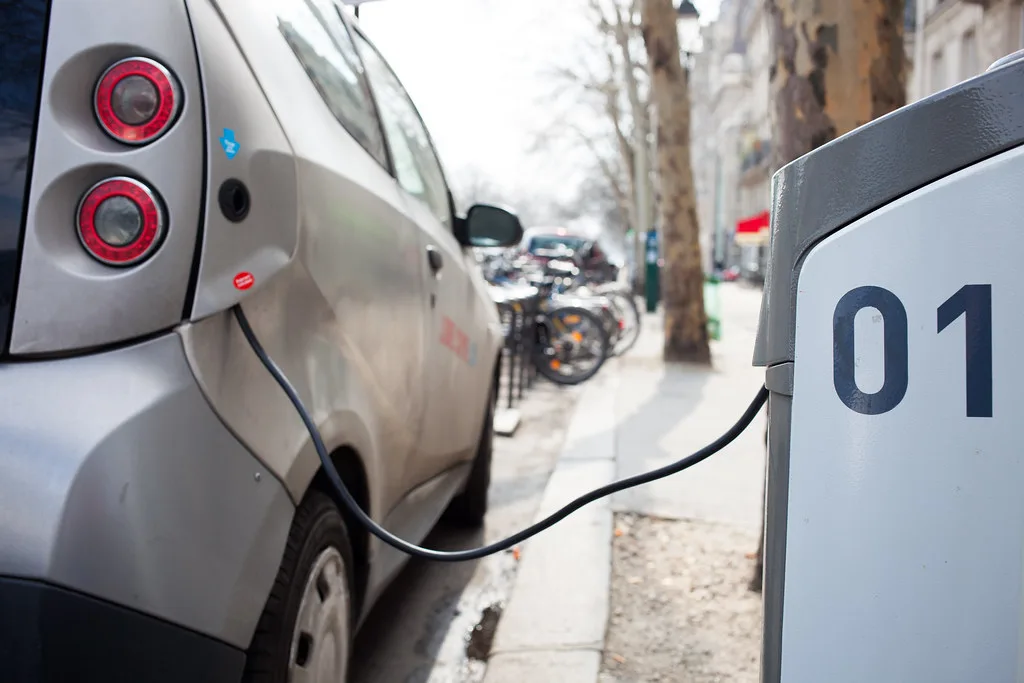
As national fuel prices continue to fluctuate at historic highs in 2024, travelers across the United States are increasingly pivoting toward electric vehicles (EVs) and hybrids when booking rental cars to mitigate rising transportation expenses. While rental agencies report a surge in demand for fuel-efficient fleets, industry analysts suggest that the decision to switch from a traditional internal combustion engine vehicle requires a careful calculation of rental premiums, charging infrastructure availability, and total trip mileage.
The Economics of Rental Premiums
The primary barrier to choosing an EV or hybrid rental often lies in the daily rental rate. Major rental companies frequently apply a premium to electric models, reflecting both the higher acquisition cost of the vehicles and the specialized maintenance requirements associated with battery-powered fleets.
Data from recent travel industry reports indicate that while an EV might command a 15% to 25% higher daily rental fee compared to a standard compact sedan, the savings at the pump can be substantial. For travelers covering long distances, these fuel savings often neutralize the initial rental premium, provided the vehicle is utilized efficiently over the course of the trip.
Infrastructure and Operational Reality
Beyond the sticker price, the feasibility of renting an EV depends heavily on the traveler’s destination and itinerary. In urban centers with robust charging networks, the transition is seamless; however, long-distance road trips through rural corridors present significant logistical challenges.
According to the Department of Energy, the U.S. charging network has expanded by over 30% in the last two years, yet significant ‘charging deserts’ remain. Renters must weigh the time cost of locating and utilizing public charging stations against the convenience of traditional gas stations, which remain ubiquitous across the interstate highway system.
Expert Perspectives on Fleet Shifts
Automotive analysts note that rental agencies are aggressively diversifying their fleets to cater to environmentally conscious consumers and those seeking cost predictability. The shift is not merely a response to gas prices but a long-term strategy to lower fleet-wide emissions and operational overhead.
Industry experts suggest that for the average weekend traveler, the cost difference between a hybrid and a standard vehicle is often negligible once refueling is factored in. Conversely, for business travelers or families embarking on cross-country tours, the efficiency of a hybrid powertrain offers the most consistent financial benefit without the range anxiety associated with pure battery-electric vehicles.
Implications for the Future of Travel
Looking ahead, the rental market is expected to see a greater integration of ‘smart’ booking tools that allow users to calculate potential fuel savings based on their specific route and anticipated mileage. As vehicle-to-grid technology matures and charging speeds improve, the friction currently associated with renting EVs is likely to decrease.
Travelers should watch for a shift in pricing models as rental agencies move toward distance-based billing or bundled charging packages. In the coming months, the narrowing gap between internal combustion engine rental rates and electric alternatives will likely make the decision less about cost-saving maneuvers and more about personal preference and environmental impact.