





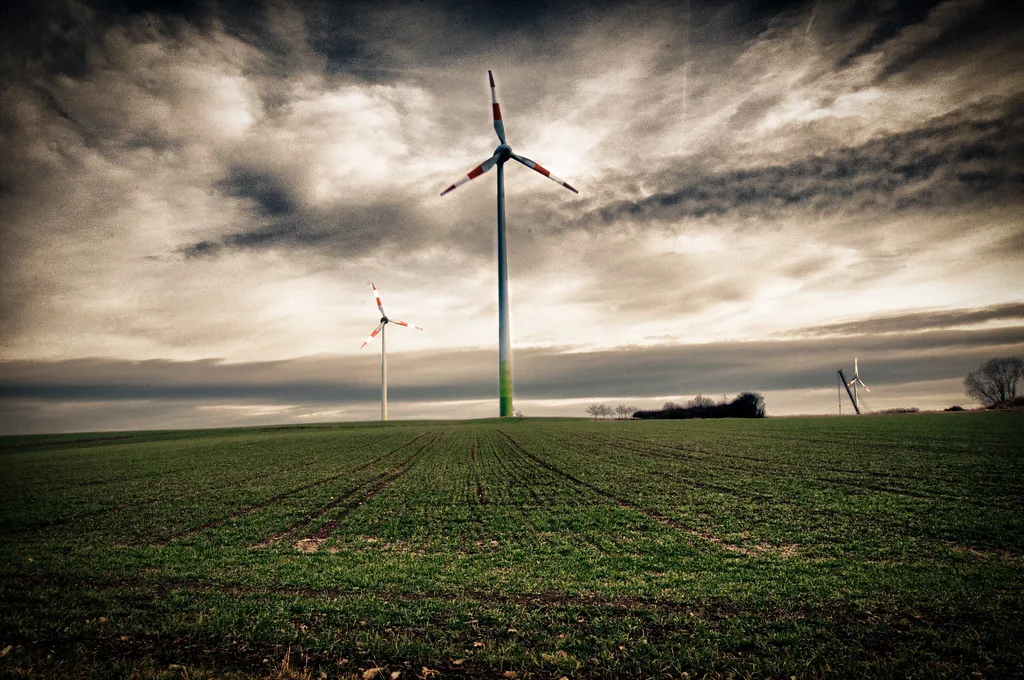
A sweeping administrative freeze on onshore wind energy permits is jeopardizing approximately $50 billion in planned investments across the United States, according to recent data from the American Clean Power Association. The current bottleneck, which effectively halts the approval process for new projects, threatens to derail the livelihoods of an estimated 150,000 workers currently tied to the sector’s supply chain and development pipeline.
The Regulatory Landscape
The wind energy industry has spent the last decade scaling operations to meet ambitious federal climate goals and rising electricity demand. However, the current regulatory environment has shifted, with new administrative hurdles creating a significant backlog in the Bureau of Land Management’s permitting schedule.
Industry advocates argue that the lack of movement on pending applications creates an environment of extreme uncertainty for institutional investors. Without clear timelines for project commencement, developers are increasingly pulling capital from domestic projects in favor of more stable international markets.
Economic Impact and Employment Risks
The renewable energy sector has become a critical engine for job growth in rural America, where many wind farms are located. The current stall risks idling heavy machinery and canceling construction contracts that provide essential tax revenue for local school districts and municipal infrastructure.
Economic analysts note that the 150,000 jobs at stake span a wide spectrum of the economy, ranging from high-tech turbine engineering to manual labor in concrete and steel manufacturing. A prolonged delay could trigger a ripple effect, forcing specialized suppliers to downsize or shutter operations entirely.
Expert Perspectives
“The permitting process serves as the gatekeeper for our transition to a modernized grid,” said an industry analyst familiar with energy policy. “When that gate closes without warning, the capital markets react with volatility, and the long-term cost of energy infrastructure rises due to the resulting supply chain disruptions.”
Data from the Department of Energy suggests that the wind sector requires a predictable regulatory cadence to remain competitive against conventional fossil fuel generation. Currently, the lack of federal authorization is forcing developers to reconsider their long-term commitments to the U.S. market.
Industry Implications
For utilities and grid operators, the stall presents a significant challenge to resource adequacy. Many states have legislated mandates to increase renewable energy intake, and the failure of new wind projects to come online could lead to capacity shortages or increased reliance on older, carbon-intensive power plants.
Investors are now closely watching for a potential policy reversal or a streamlined legislative path to clear the permitting backlog. If the current impasse continues through the next fiscal quarter, experts expect a significant downgrading of wind energy deployment forecasts for the next three years. Stakeholders should monitor upcoming administrative guidance and potential court challenges from environmental groups, as these developments will likely dictate the speed at which the industry can resume operations.