






The Call to Return
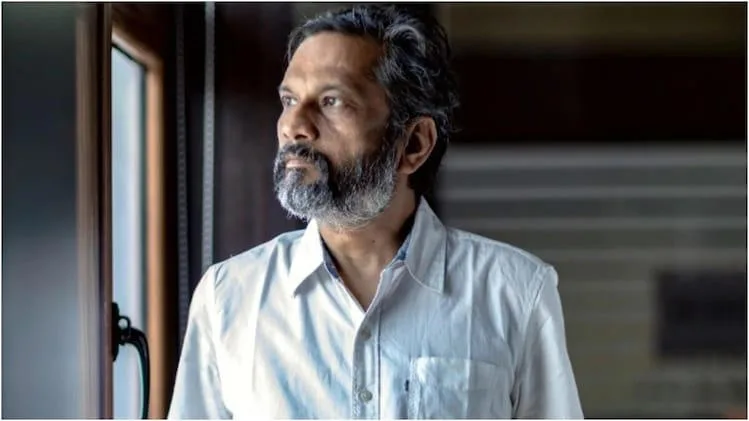
In recent times, the discussion about the Indian diaspora and their potential return to India has gained heightened attention, particularly due to a call issued by Sridhar Vembu, the founder of Zoho. Vembu has articulated the need for non-resident Indians (NRIs) in the United States and elsewhere to consider returning to their homeland. His perspective reflects a larger sentiment among various thought leaders advocating for a celebration of India’s burgeoning opportunities, particularly in the tech sector and entrepreneurial landscape.
The reasoning behind this appeal is multifaceted. As an advocate for growth and investment in India, Vembu suggests that NRIs possess unique skills, insights, and resources that could significantly contribute to the nation’s development. However, this call to action also surfaces ambiguity regarding the motivations and challenges faced by NRIs, who often find themselves at a crossroads between their life abroad and the allure of contributing to India’s progress.
Understanding the nuances behind this urge to return requires an exploration of both personal and societal factors influencing NRI decisions. Many NRIs are deeply embedded in their adopted countries, cultivating careers and families while tapping into established networks. This integration creates a complex bond that is not easily severed, even when opportunities in India seem enticing. Additionally, concerns related to quality of life, job security, and cultural adjustments greatly weigh on the minds of those contemplating a move back.
As this dialogue unfolds, it is crucial to appreciate the diverse perspectives surrounding migration and the motivations that compel NRIs to remain in their host countries. The conversations sparked by Vembu’s call serve to further illuminate these themes and guide deeper discussions about the realities and aspirations of the Indian diaspora.
Vineeth K’s Perspective
Vineeth K., a Chicago-based investor, brings a unique perspective to the ongoing conversation about why many Non-Resident Indians (NRIs) choose to remain abroad. His insights resonate particularly well in the context of R. Vembu’s assertion that financial opportunities are the primary draw for NRIs. Vineeth argues that while economic factors certainly play a role, they do not encompass the entirety of NRIs’ motivations.
One of the principal aspects Vineeth highlights is the importance of lifestyle and quality of life considerations. Living in the United States, NRIs often experience a different standard of living compared to their homelands. Factors such as access to quality education, healthcare, and a stable environment heavily influence their decision to stay. The lifestyle afforded by living in the US often significantly impacts an individual’s social and professional dynamics, making them less inclined to return, despite the potential benefits of repatriation.
Moreover, Vineeth stresses the emotional and psychological aspects that accompany the decision to remain overseas. He points out that many NRIs establish deep personal connections and professional networks in their adopted countries. These bonds can be challenging to sever, creating a dilemma for individuals torn between their roots and the life they have built abroad. Emotional stability, personal growth, and an enhanced standard of living contribute heavily to the reluctance to return.
In addition to these personal factors, there is also a broader cultural dimension at play. Vineeth notes that cultural integration leads NRIs to adopt new identities, which can sometimes overshadow their Indian heritage. This complexity of identity can make the idea of returning less appealing. Thus, for many NRIs, the decision to stay in the US is influenced by a constellation of factors, extending far beyond mere financial incentives.
Quality of Life: More than Just Money
When discussing the motivations behind why many Non-Resident Indians (NRIs) choose not to return to their homeland, one must consider the multifaceted concept of quality of life. Vineeth K, a Chicago-based investor, often emphasizes that this notion extends well beyond the mere financial advantages offered by different countries. For skilled Indians living abroad, facets such as reliable public systems, environmental cleanliness, and daily stability play pivotal roles in their decision-making processes.
First and foremost, reliable public systems are a cornerstone of the quality of life in many countries outside India. Access to efficient public transportation, healthcare services, and educational institutions contributes significantly to the everyday experiences of individuals. The availability of well-maintained infrastructure not only saves time but also ensures that individuals can engage in various activities without undue stress. In many Western countries, such systems operate seamlessly, fostering a sense of security and convenience that may often be lacking in India.
Moreover, the aspect of cleaner cities cannot be overlooked. Many NRIs have found that the lower levels of pollution in their residing countries greatly enhance their overall well-being. Cleaner air and greener spaces encourage healthier lifestyles and improve mental health, creating environments where individuals can thrive. Such living spaces often lead to heightened satisfaction and contentment among those who choose to make them their homes.
Lastly, day-to-day stability is a crucial element in assessing one’s quality of life. This encompasses economic stability, social safety, and predictability in daily routines. In contrast to the challenges that may arise in less stable environments, workers in developed countries often encounter fewer disruptions, enabling them to pursue professional and personal goals more effectively. When these aspects align favorably, they make returning to India less appealing for many NRIs.
Corruption, Connections, and Civic Discipline
In examining the motivations of Non-Resident Indians (NRIs) regarding their reluctance to return to India, it becomes evident that the variables of corruption, reliance on personal connections, and civic discipline play a significant role. Vineeth, a Chicago-based investor, articulates the stark contrast between life in the United States and India, particularly emphasizing the lower levels of corruption experienced in the former. In a society where accountability is enforced in public services, individuals are more likely to trust that their needs will be met without undue hassle.
The permeation of corruption in many aspects of life in India has created an environment where transactions often hinge on bribes or personal relationships. For NRIs, who have been accustomed to systems that operate on efficiency and transparency, this reliance on personal connections for accessing basic services can be disheartening. The predictability of receiving service without extra monetary incentives is a stark contrast to their experiences back in India. Many NRIs find it challenging to reconceptualize their role in a society where such practices are the norm.
Furthermore, civic discipline—understood as adherence to laws, regulations, and social norms—also affects perceptions of quality of life. In the U.S., where civic duties are generally taken seriously, residents enjoy a more orderly and systematic approach to life. NRIs are often disenchanted by the uneven enforcement of laws in India, leading to an unpredictable living experience. Challenges such as traffic mismanagement, inadequate public services, and inconsistent law enforcement reflect deeper systemic issues that contrast sharply with the civic engagement and discipline they have come to expect abroad. Thus, these factors create a compelling argument for NRIs to maintain their distance from their homeland, favoring stability over uncertainty.
Emergency Support and Safety Nets
For non-resident Indians (NRIs), the decision to remain abroad often hinges on the presence of robust emergency support systems and safety nets in their host countries. These safety nets provide a crucial sense of security during unexpected events or crises, fostering a more stable living environment for those engaged in overseas investments or careers. Countries like the United States, where a significant number of NRIs reside, offer various forms of social support that can ease anxieties related to job loss, health crises, or natural disasters. This assurance plays a pivotal role in the decision-making process of NRIs contemplating a return to their home country.
When examining emergency support mechanisms, it is important to consider healthcare accessibility, unemployment benefits, and social welfare programs. In many Western countries, comprehensive healthcare systems serve as a primary safety net, allowing NRIs to address medical emergencies without the fear of crippling financial burdens. This accessibility to quality healthcare is a pressing concern for many migrants and significantly influences their choice to stay put, especially during challenging times.
Furthermore, unemployment benefits in countries like the United States act as a financial cushion that keeps individuals afloat during periods of job instability. For NRIs, this aspect of the foreign financial landscape enhances their confidence in staying abroad, knowing that assistance is available should they encounter unforeseen employment challenges. Social welfare reforms can also simulate a sense of safety, as they often come with employee protections and rights that are not always guaranteed in other regions.
Ultimately, the availability of effective emergency support systems and safety nets can greatly affect the mindset of NRIs regarding their long-term prospects in foreign countries versus returning to India. The assurance that aid is at hand during critical junctures allows NRIs to focus on their professional and personal growth without the persistent anxiety of potential emergencies lurking around the corner.
The Infrastructure Advantage
The decision of non-resident Indians (NRIs) to remain abroad is significantly influenced by the quality of infrastructure in their host countries. Infrastructure encompasses a broad range of facilities and systems, including transportation, utilities, and public services, all of which play a critical role in determining the overall quality of life. Cities known for their well-planned urban structures often attract NRIs due to the enhanced living conditions they offer compared to those in their home country.
In many overseas countries, urban planning is prioritized, resulting in efficient public transport systems, well-maintained roads, and reliable utilities such as water and electricity. NRIs often find these amenities essential, as they facilitate daily life and contribute to a more comfortable lifestyle. For instance, cities like Chicago have invested in comprehensive public transport networks that not only reduce travel time but also ensure environmental sustainability, making them attractive options for residents.
Moreover, the availability of high-quality public services, such as healthcare and education, significantly impacts the living experience in foreign countries. NRIs often consider these factors when deciding whether to return to India, where such services may not meet the same standards. The contrast in infrastructure and services between their host country and home country can create a compelling reason to remain abroad.
Furthermore, excellent infrastructure often correlates with economic development, job opportunities, and safety, all of which directly influence NRIs’ long-term planning. The notion of safety and reliable public infrastructure can serve as a crucial determinant in individuals’ choices concerning relocation. There is, therefore, a strong link between enhanced urban management practices in countries like the United States and the likelihood of NRIs choosing to continue their lives overseas.
Understanding the Migration Debate
The conversation surrounding migration is multifaceted, particularly regarding Non-Resident Indians (NRIs) and their ties to India. While some NRIs view a return to their home country as a vital aspect of their identity and cultural heritage, others contemplate their decisions based on personal circumstances and available opportunities. The migration debate often hinges on various factors that influence the individual decision-making process of NRIs.
One of the core reasons many NRIs ponder a return to India is the emotional connection to their homeland. Such ties can foster a sense of belonging and community that may be lacking in their host countries. Moreover, the pace of life, cultural practices, and familial relationships often play a significant role in the attraction of returning. Conversely, many NRIs are apprehensive about moving back due to the socio-economic conditions prevalent in India. They consider factors such as job security, quality of life, and available amenities, which may not compare favorably with their current circumstances. The growing economy in India presents opportunities that appeal to some; however, the challenges in infrastructure and service delivery can complicate their decisions.
Individual circumstances are paramount in the migration debate. Each NRI faces a unique set of challenges and opportunities, contingent upon their profession, family obligations, and personal aspirations. For some, the allure of entrepreneurship and contribution to India’s burgeoning markets can be decisively appealing. Others may prioritize their children’s education or career prospects, which could sway them to continue residing abroad. The contrasting views on migration demonstrate that NRIs are not a monolithic group; their experiences and motivations differ widely, reframing the narrative around returning to India.
Building Lives Abroad: Not Abandoning India
Many Non-Resident Indians (NRIs) face the common misconception that their lives abroad symbolize a complete detachment from their homeland, India. However, this perspective overlooks the complex and nuanced reality experienced by many individuals, including Vineeth, a Chicago-based investor. Vineeth argues that NRIs often maintain a deep-rooted connection to India while simultaneously creating thriving lives in foreign nations.
NRIs contribute significantly to both the economies of their host countries and the communities back home. The dual contributions of those living abroad extend beyond mere financial transactions or investments; they encompass cultural exchanges, support for family members, and engagement in philanthropic endeavors. By supporting local Indian businesses, promoting Indian culture, and encouraging knowledge transfer, NRIs play a vital role in bridging the gap between their two worlds.
This ongoing connection is often exemplified through various initiatives aimed at aiding the Indian populace. Many NRIs leverage their resources to invest in startups and social enterprises in India, consequently fostering innovation and job creation. Additionally, they often participate in charitable activities, contributing to education, healthcare, and infrastructure development in their native lands. Thus, their commitment to the welfare of their homeland remains unwavering, despite their geographical distance.
Furthermore, with advancements in technology, maintaining relationships across borders has become easier than ever. Regular communication through social media, virtual meetings, and online transactions reinforces the emotional bonds that NRIs cherish with their families and friends back home. This consistent interaction exemplifies their commitment to nurturing ties with India while leading successful lives in their adopted homelands.
Ultimately, the narrative of abandon is misleading; rather, NRIs embody a unique fusion of cultures and connectivity that enrich both their lives abroad and their homeland, reinforcing the idea that geographical location does not dictate allegiance or commitment to one’s roots.
Conclusions: Valid Paths and Choices
Throughout this discussion, we have explored the diverse motivations behind the decisions of Non-Resident Indians (NRIs) regarding their choice to either remain abroad or return to India. The narrative of NRIs is not a singular story, but rather a tapestry woven from various threads of personal aspirations, professional opportunities, and familial obligations. Both paths—choosing to return to India or opting to stay abroad—are equally valid and resonate with unique experiences and perspectives.
For many NRIs, the allure of returning to India involves a deep connection to their roots, a desire to contribute to the country’s growth, and an emotional pull towards family and cultural heritage. These sentiments are often juxtaposed with adaptive challenges associated with re-integrating into a rapidly changing society, where socio-economic dynamics may differ significantly from those experienced abroad. On the other hand, those who decide to remain in foreign lands frequently encounter enhanced career prospects, access to advanced education, and the stability that often comes with established systems in industries where they thrive.
As we analyze these choices, it is vital to appreciate how both paths contribute to the broader narrative of the Indian diaspora. Staying abroad does not negate an individual’s commitment to India; conversely, returning home does not invalidate the experiences gained overseas. Each choice reflects a spectrum of personal and professional alignments that individuals navigate based on their circumstances.
In conclusion, understanding the complexities behind the decisions of NRIs fosters a more inclusive dialogue about the Indian community, recognizing that contributions from both those who return and those who stay underscore the richness of India’s global presence. Acknowledging and respecting the decisions made by NRIs is essential in appreciating their roles in shaping both their host countries and their homeland.