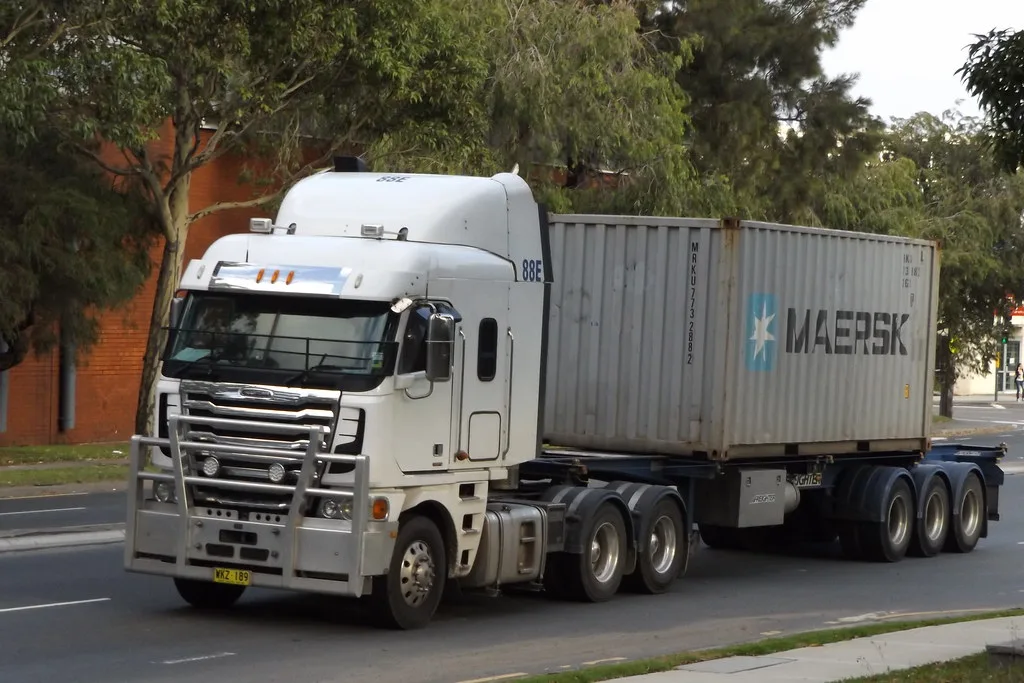





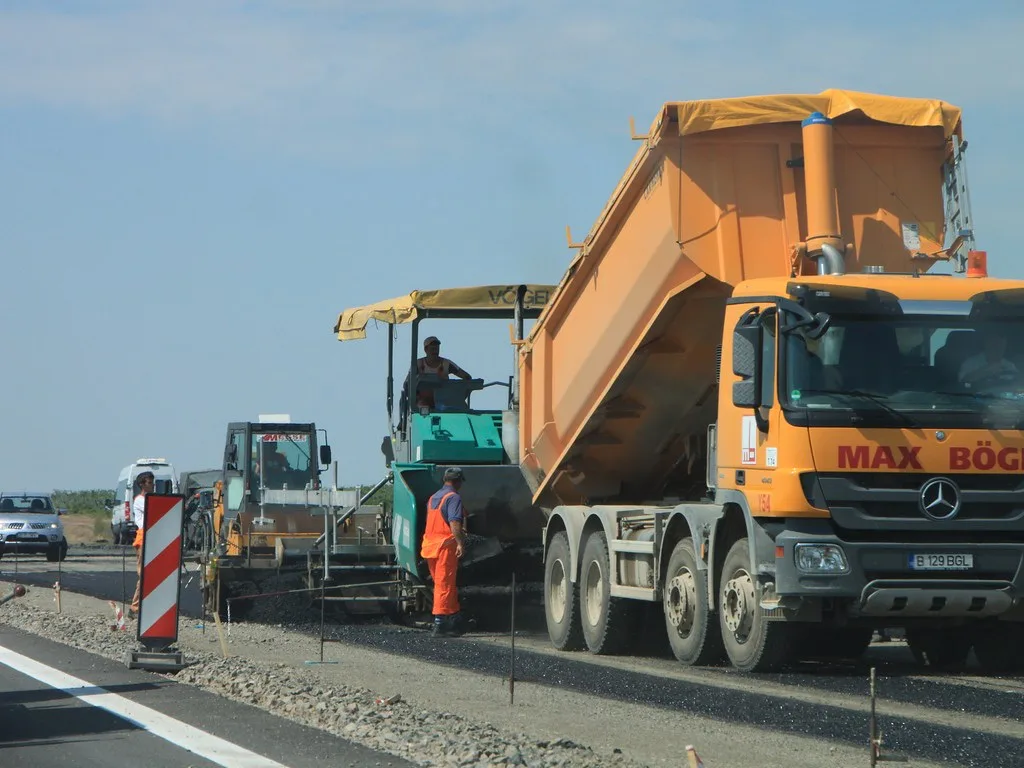
The Impending Logistics Crisis
The escalating conflict in West Asia is triggering a potential logistical crisis in India, as surging global crude prices and maritime disruptions threaten the stability of the nation’s diesel-dependent transport fleet. With critical supply chains for technical grade urea (TGU) under pressure, the Indian automotive sector faces the risk of widespread vehicle immobilization, potentially stalling the movement of essential goods across the country.
Contextualizing the Energy Bottleneck
India’s reliance on international trade hubs in Egypt and Dubai for 50-60 percent of its technical grade urea requirements has placed the domestic automotive industry in a vulnerable position. TGU is a fundamental component in the production of Diesel Exhaust Fluid (DEF), which is required for all BSVI-compliant heavy-duty vehicles. Under current Indian safety regulations, these vehicles utilize an engine interlock mechanism that prevents operation once DEF levels are depleted, rendering the fluid as vital as diesel fuel itself.
The Threat to Commercial Operations
A recent report by DAM Capital highlights that the current maritime instability in the region could bring India’s logistics network to a standstill if supply lines remain severed. The Society of Indian Automobile Manufacturers (SIAM) has formally alerted government authorities that there is currently no clear visibility regarding urea supplies beyond early April 2026. This lack of replenishment options creates a terminal risk for fleet operators, as even a temporary shortage could ground a significant portion of the nation’s commercial trucking and bus fleet.
Secondary Impacts on Manufacturing
Beyond the immediate DEF shortage, the automotive industry is grappling with rising input costs across multiple segments. Crude oil derivatives, including synthetic rubber and carbon black, constitute 40-45 percent of the raw material mix for tyre manufacturers. When combined with the increasing cost of natural rubber and logistical hurdles, these inflationary pressures threaten to compress profit margins significantly for domestic players.
Vulnerability in Component Production
Auto component manufacturers are also bracing for potential energy-related disruptions. Firms involved in forging and casting operations rely heavily on gas-fired furnaces for heating processes. While current production levels remain manageable, experts warn that prolonged disruptions in gas supplies could jeopardize the manufacturing of critical engine, transmission, and suspension parts, further weakening the automotive supply chain.
Future Outlook
As the government explores measures to cushion the economy from these shocks, market participants are closely monitoring diplomatic efforts to restore maritime security in the region. The immediate focus remains on securing alternative sources for technical grade urea to prevent a mass grounding of the commercial fleet. Industry stakeholders will be looking for government-led strategic reserves or trade diversification policies to mitigate the risk of a total logistics failure in the coming months.