




The Impending Logistics Bottleneck
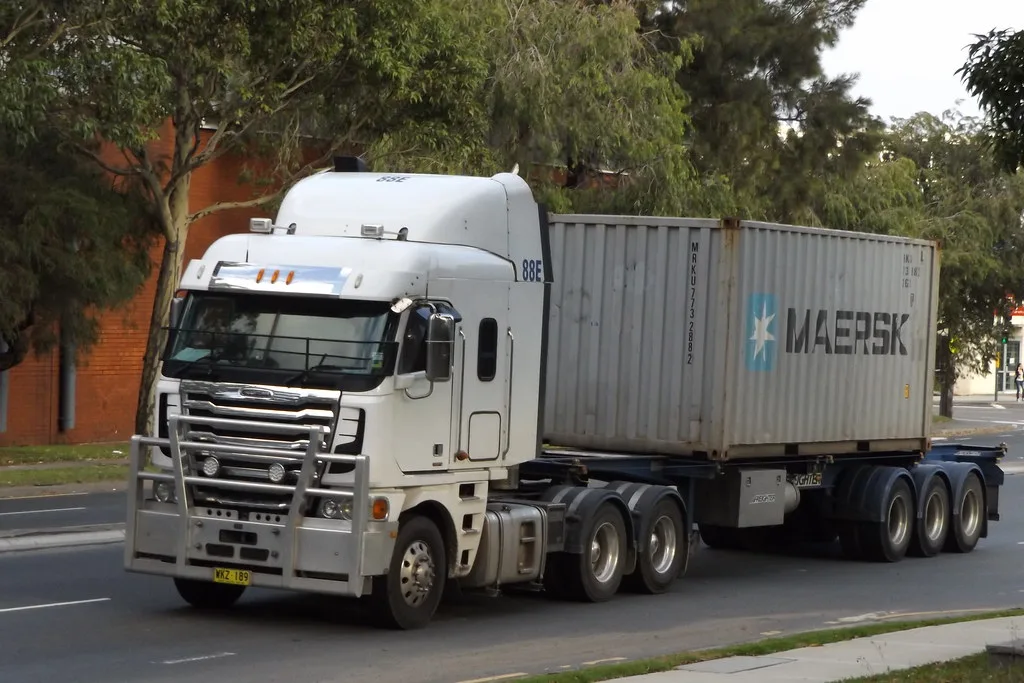
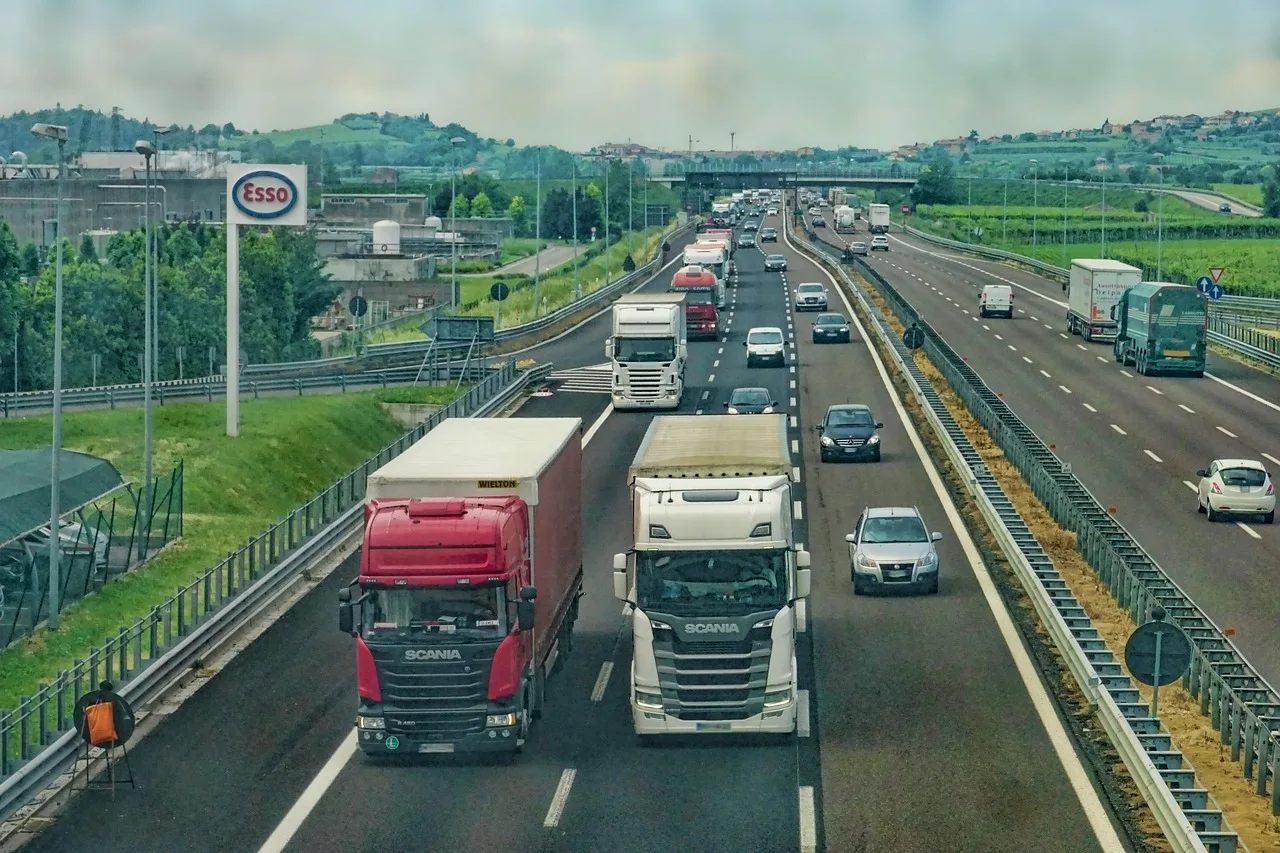
The escalating conflict in West Asia is triggering a critical supply chain crisis for India’s automotive sector, specifically threatening the operational viability of the nation’s diesel-powered commercial fleet. As global crude prices surge and maritime trade routes face potential disruptions in the Strait of Hormuz, India’s reliance on imported technical grade urea (TGU)—a vital ingredient for diesel exhaust fluid (DEF)—has reached a breaking point. Government officials and industry leaders are now scrambling to mitigate the risk of a widespread logistics standstill that could paralyze the movement of essential goods across the country.
Understanding the DEF Dependency
Modern automotive emissions standards, specifically BSVI regulations, have mandated the use of selective catalytic reduction (SCR) systems in heavy-duty trucks and buses. These systems require regular injections of DEF to convert harmful nitrogen oxides into harmless nitrogen and water. Critically, these vehicles feature an engine interlock mechanism that prevents the vehicle from operating if DEF levels are depleted. Because India imports 50 to 60 percent of its technical grade urea from trade hubs in Egypt and Dubai, any interruption in maritime logistics directly threatens the functionality of the entire commercial diesel fleet.
Industry Alarms and Supply Vulnerabilities
The Society of Indian Automobile Manufacturers (SIAM) has formally alerted government authorities to the deepening crisis, noting that there is currently no clear visibility regarding urea supplies beyond early April 2026. If these reserves are not replenished, the industry faces the prospect of mass vehicle immobilisation. Beyond the urea shortage, the broader automotive ecosystem is experiencing compounding pressures. The tyre manufacturing sector, for instance, is grappling with soaring costs for crude oil derivatives like synthetic rubber and carbon black, which account for nearly half of their raw material mix.
Expert Insights on Economic Impact
A recent report by DAM Capital highlights that the crisis extends to auto component manufacturers as well. Firms involved in forging and casting processes remain highly vulnerable to gas supply disruptions due to their reliance on gas-fired furnaces. While the near-term impact on production remains manageable, analysts warn that prolonged energy price volatility and logistical bottlenecks will inevitably erode profit margins and disrupt the production of critical engine, transmission, and suspension components. The cascading effect of a grounded commercial fleet would not only stall the automotive sector but could also lead to significant inflationary pressure on essential goods throughout the Indian economy.
Future Outlook and Strategic Monitoring
As the government explores measures to cushion the economy from this oil shock, stakeholders must monitor the stability of shipping lanes and the diversification of TGU sourcing. With Prime Minister Narendra Modi urging citizens and industries to practice energy conservation, the focus is shifting toward long-term supply chain resilience. Observers should watch for potential government-led import incentives or strategic stockpiling initiatives designed to bridge the gap in DEF supplies. The coming months will be decisive in determining whether the automotive industry can decouple its critical operations from the volatile geopolitical landscape of West Asia.