




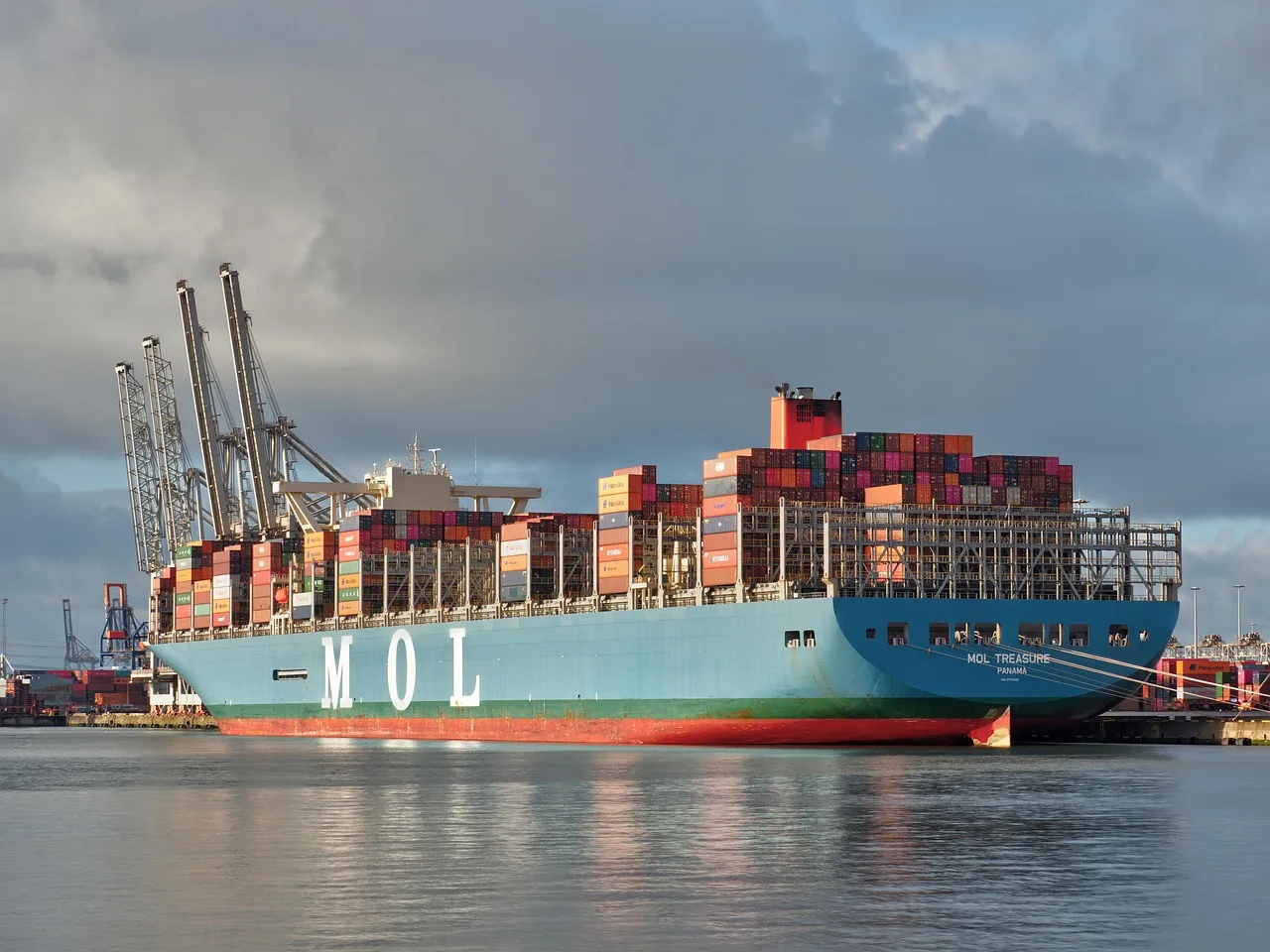
The V.O. Chidambaranar (VOC) Port Authority in Thoothukudi, India, recently floated a global tender for a significant ₹517-crore project. This ambitious initiative aims to upgrade Berth No. 7, transforming it to accommodate mega container vessels and substantially boost the port’s annual handling capacity by 4.2 lakh Twenty-foot Equivalent Units (TEUs) over a 30-year Design, Build, Finance, Operate, and Transfer (DBFOT) concession period.
Context: India’s Growing Maritime Ambitions
The VOC Port, strategically located on India’s southeastern coast, serves as a crucial gateway for trade in Tamil Nadu and surrounding regions. Historically, it has been instrumental in handling various cargo, including coal, salt, and general cargo. However, the global shipping industry has witnessed a dramatic shift towards larger, more efficient container vessels in recent decades.
India’s burgeoning economy and increasing participation in global trade necessitate modern port infrastructure capable of handling these mega ships. Many Indian ports currently face limitations in draft depth and quay strength, preventing them from fully capitalizing on the economies of scale offered by larger vessels. This often leads to cargo diversion to international transshipment hubs like Colombo or Singapore.
The Design, Build, Finance, Operate, and Transfer (DBFOT) model is a public-private partnership framework. Under this arrangement, a private entity undertakes the entire project lifecycle, from design and construction to financing and operation, for a specified concession period, after which the asset is transferred back to the public authority. This model is favored for large-scale infrastructure projects, leveraging private sector efficiency and capital.
Project Details and Strategic Impact
The ₹517-crore investment for Berth No. 7 is a pivotal step towards modernizing the VOC Port’s container handling capabilities. The project’s primary objective is to deepen the berth’s draft and reinforce its structure, enabling it to safely berth and service container vessels with capacities exceeding 10,000 TEUs, which are becoming standard in major shipping lanes.
Upon completion, the upgraded Berth No. 7 is projected to add an impressive 4.2 lakh TEUs to the port’s annual handling capacity. This significant increase will directly address the growing demand for containerized cargo movement and enhance the port’s overall throughput. Industry analysts suggest this move is critical for VOC Port to maintain its competitive edge within the regional maritime landscape.
This expansion is expected to create substantial economic ripple effects. Beyond direct employment generation during construction and operation, it will foster growth in allied logistics, warehousing, and transportation sectors. Local businesses will benefit from improved connectivity and reduced transit times, making the region a more attractive investment destination.
According to a recent report by the Indian Ports Association, container traffic across major Indian ports has shown consistent year-on-year growth, underscoring the urgent need for infrastructure upgrades. Maritime experts, such as Dr. Rohan Sharma, a senior analyst at Global Shipping Insights, note that “investments like the one at VOC Port are not just about capacity but also about efficiency and sustainability in the long run. They position Indian ports to directly compete with established transshipment hubs.”
The project aligns with the Indian government’s ‘Sagarmala’ program, a national initiative focused on port-led development. This program aims to transform India’s coastline and waterways into engines of economic growth. Upgrading key berths like Berth No. 7 at VOC Port is central to achieving the Sagarmala objectives of enhancing port capacity, improving connectivity, and promoting coastal community development.
Implications and What to Watch Next
The successful upgrade of Berth No. 7 will have far-reaching implications for shipping lines, logistics providers, and the EXIM (export-import) community. Shipping companies will gain the flexibility to deploy larger vessels directly to VOC Port, potentially reducing their operational costs and improving schedule reliability. This could lead to more direct services, bypassing transshipment, and thereby cutting down overall transit times for cargo.
For exporters and importers in Southern India, the enhanced capacity and ability to handle mega vessels mean greater choice and potentially lower freight costs. It strengthens the entire supply chain, making it more resilient and efficient. The port’s improved infrastructure is also expected to attract new businesses and industries to the region, further boosting economic activity.
The global tender process itself will be a key indicator of investor confidence in India’s port sector. Attracting reputable international and domestic players for a 30-year DBFOT concession requires a robust financial and operational proposal. Potential challenges could include navigating environmental clearances, land acquisition, and ensuring timely project execution.
Moving forward, stakeholders will closely monitor the tender’s progress, the selection of the concessionaire, and the subsequent commencement of construction. The operationalization of the upgraded Berth No. 7 will mark a significant milestone for VOC Port and India’s maritime sector, signaling a new era of enhanced capacity and global competitiveness. The project’s success will serve as a blueprint for similar modernization efforts across other major Indian ports, further solidifying the nation’s position in global trade.