




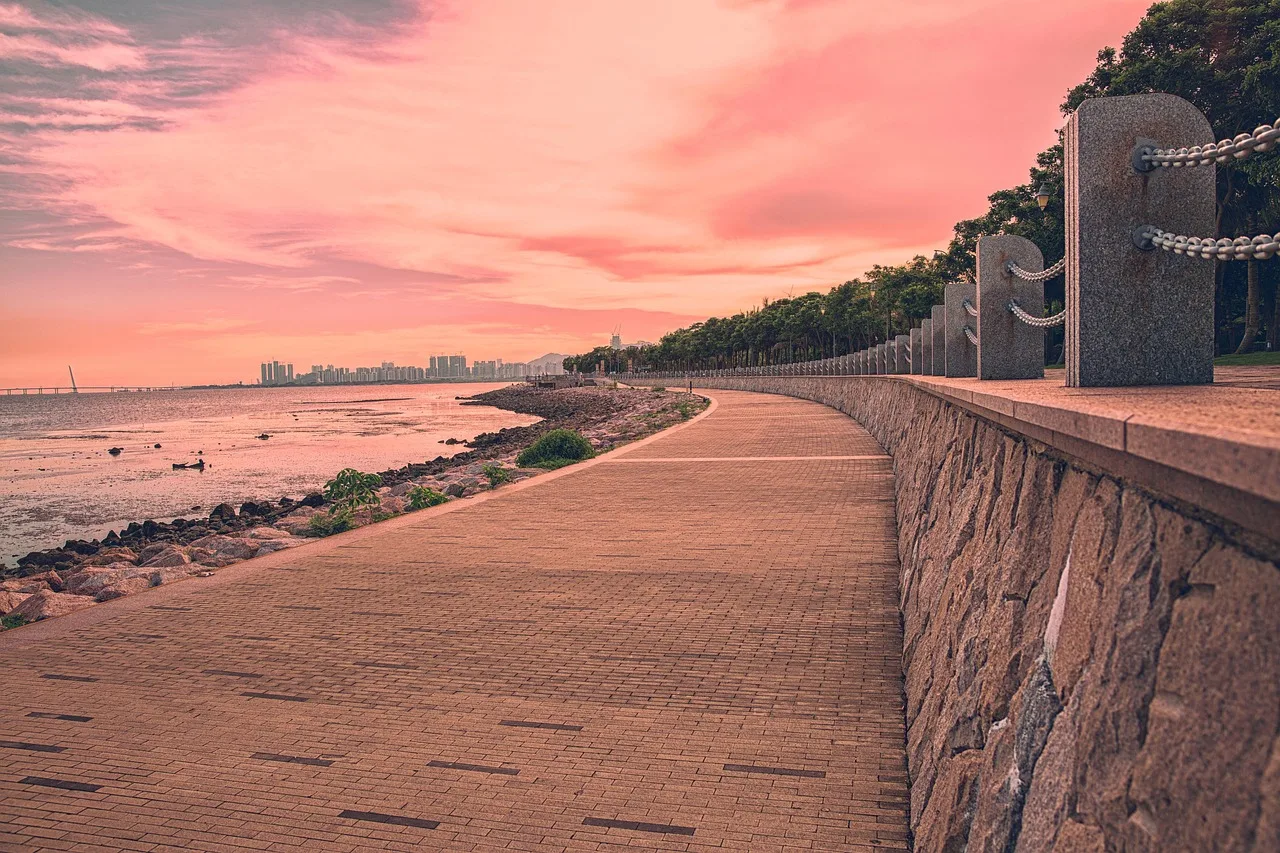
The Visakhapatnam Port Authority (VPA) recently inaugurated a novel waterfront promenade, transforming its active industrial landscape into a public spectacle where visitors can observe the berthing of colossal ships and the synchronized ballet of giant cranes. This strategic move, located along the port’s perimeter in Visakhapatnam, aims to foster greater public engagement, enhance transparency, and offer a unique recreational and educational experience for residents and tourists alike.
A Shifting Paradigm for Port Cities
For decades, major ports globally, including Visakhapatnam Port, have functioned as vital economic arteries, yet remained largely inaccessible to the public. These bustling hubs of trade, with their complex machinery and vast cargo movements, were typically viewed as restricted industrial zones. Visakhapatnam Port, established in 1933, stands as one of India’s oldest and busiest ports, handling millions of tons of cargo annually and serving as a critical gateway for trade in the Bay of Bengal region.
However, a growing global trend emphasizes port-city integration, recognizing the potential for waterfronts to become vibrant public spaces. Cities like Hamburg, Sydney, and Singapore have successfully merged active port operations with recreational and cultural amenities, redefining the relationship between urban populations and their maritime gateways. The VPA’s initiative marks a significant step in aligning Vizag with this international movement.
The Vizag Port Promenade Experience
The newly unveiled waterfront promenade offers an unparalleled vantage point for observing the intricate dance of port operations. Visitors can witness firsthand the arrival and departure of massive container ships, bulk carriers, and tankers. The spectacle includes the precise maneuvering of gantry cranes, which load and unload cargo with impressive efficiency, alongside the bustling activity of tugboats and pilot vessels guiding ships through the harbor.
Designed with safety and aesthetics in mind, the promenade provides secure viewing areas, ensuring public access does not interfere with the port’s rigorous operational protocols. Lush landscaping, comfortable seating, and informative displays detailing the port’s history and functions enhance the visitor experience. This blend of industrial might and public accessibility creates a unique educational opportunity, particularly for students and those interested in maritime logistics.
Economic and Social Dividends
This innovative approach is expected to yield substantial benefits beyond public engagement. Local tourism is poised for a boost, as the promenade offers a novel attraction distinct from traditional sightseeing. Increased footfall could stimulate local businesses, including cafes, souvenir shops, and transportation services, thereby contributing to job creation and economic growth in the surrounding areas. “This promenade is more than just a walkway; it’s a window into the economic heartbeat of our city,” stated a VPA official, emphasizing the dual goal of public outreach and economic development. “We project an initial annual visitor count exceeding 500,000, generating significant ancillary revenue.”
Moreover, enhancing the port’s public image can attract further investment and collaboration. A transparent and accessible port is often perceived as a modern and well-managed entity, potentially drawing in new shipping lines and logistics partners. Urban planners widely acknowledge the positive impact of such initiatives. Dr. Anya Sharma, an expert in urban waterfront development, noted, “Integrating active industrial zones with public amenities fosters a sense of community ownership and pride. It transforms what was once a barrier into a shared asset, creating social capital alongside economic value.”
Navigating Challenges and Future Prospects
While the benefits are clear, the VPA faces the ongoing challenge of seamlessly integrating public access with the demands of a high-security industrial zone. Maintaining stringent safety protocols, managing crowd flow, and ensuring minimal disruption to twenty-four-hour port operations will require continuous vigilance and adaptive management strategies. The initial success of the promenade will depend on robust security measures and clear demarcation between public and operational areas.
Looking ahead, the Vizag Port’s initiative could serve as a blueprint for other Indian ports contemplating similar public integration projects. This forward-thinking approach signals a broader shift in how industrial infrastructure can contribute to urban quality of life. Future developments might include educational programs, interactive exhibits, and even specialized guided tours, further deepening the public’s understanding of maritime trade. The success of Vizag’s promenade could catalyze a national trend, transforming India’s port cities into more accessible, engaging, and economically vibrant waterfront destinations.