





Financial Performance Overview
V-Mart Retail Ltd reported a 39% decline in net profit for the fourth quarter ending in March 2024, despite achieving growth in both revenue and operating margins. The company, a prominent value fashion retailer in India, announced these results on May 7, concurrently recommending a dividend of 10% for the upcoming fiscal year, equivalent to ₹1 per equity share of ₹10 face value.
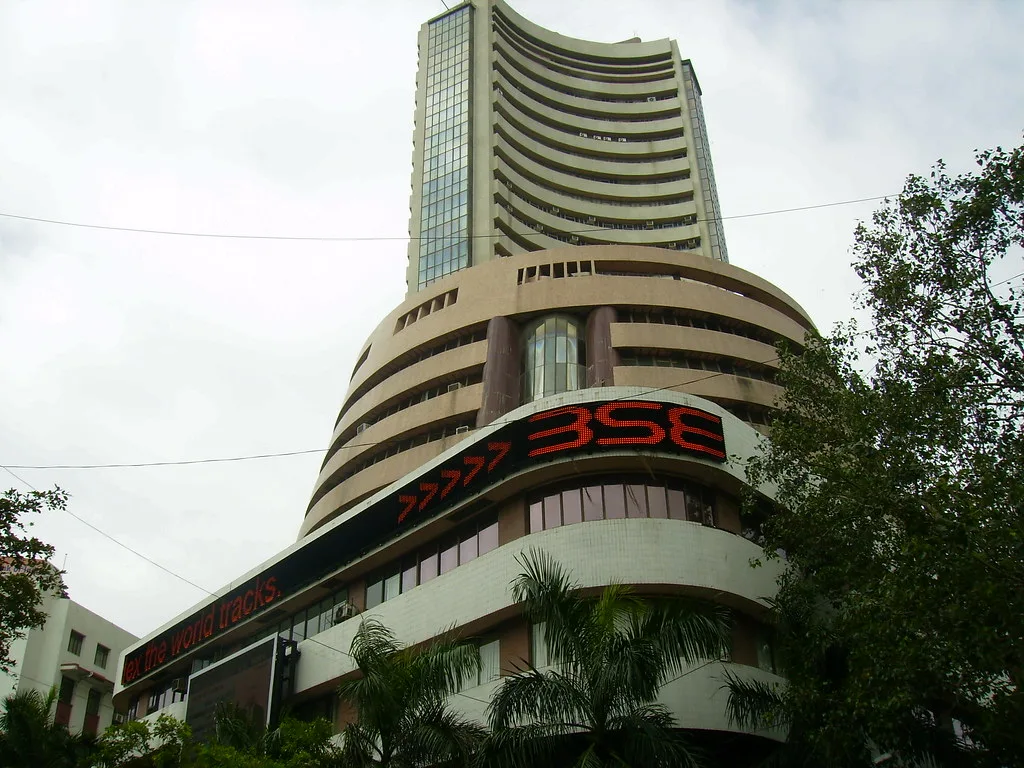
Market reaction to the announcement was positive, as shares of V-Mart Retail closed at ₹673 on the Bombay Stock Exchange (BSE), marking a 3.57% increase of ₹23.20. This indicates investor optimism despite the bottom-line pressure experienced during the final quarter.
Understanding the Margin-Profit Disconnect
The discrepancy between revenue growth and profit contraction reflects the current landscape of the Indian retail sector, where companies are aggressively balancing expansion costs with consumer demand. While top-line growth is often driven by new store openings and increased footfall, the cost of scaling physical infrastructure and supply chain logistics often suppresses immediate profitability.
Retail analysts note that V-Mart has been in a phase of strategic transformation, focusing on increasing its footprint in Tier-II and Tier-III cities. This expansion requires significant capital expenditure, which impacts short-term net earnings even when operational efficiency and margins show signs of improvement.
Operational Challenges and Market Strategy
V-Mart’s strategy relies heavily on the ‘value fashion’ segment, which serves price-sensitive demographics. Maintaining margins in this segment requires tight control over inventory and operational overheads, especially as inflation impacts discretionary spending patterns across the country.
Industry reports suggest that the broader retail sector has faced headwinds related to high input costs and a sluggish recovery in demand for non-essential goods. However, V-Mart’s decision to declare a dividend suggests that the board maintains confidence in the company’s cash flow position and its ability to sustain long-term shareholder value despite the quarterly dip.
Expert Perspectives on Retail Trends
Retail industry experts emphasize that the current quarterly performance of V-Mart is reflective of a wider trend where retailers are prioritizing market share acquisition over immediate profit margins. Data from recent market research indicates that mid-market retailers are increasingly investing in digital transformation and localized supply chains to mitigate the rising costs of physical retail operations.
By maintaining a steady dividend, the company is signaling to the market that its underlying business model remains robust. The focus for analysts now shifts to how effectively V-Mart can leverage its expanded store network to drive higher sales volume in the coming fiscal quarters.
Future Outlook and Industry Implications
Looking ahead, the primary area to watch will be the company’s ability to convert its current store expansion into improved net earnings. If the retail sector sees a recovery in consumption patterns, V-Mart is positioned to benefit from its increased reach, provided that operating costs are brought under control.
Investors and stakeholders should monitor the company’s quarterly reports for signs of margin stabilization. Future growth will likely hinge on the retailer’s ability to optimize its inventory turnover and navigate the competitive pressures of both organized retail and e-commerce platforms in smaller Indian markets.