





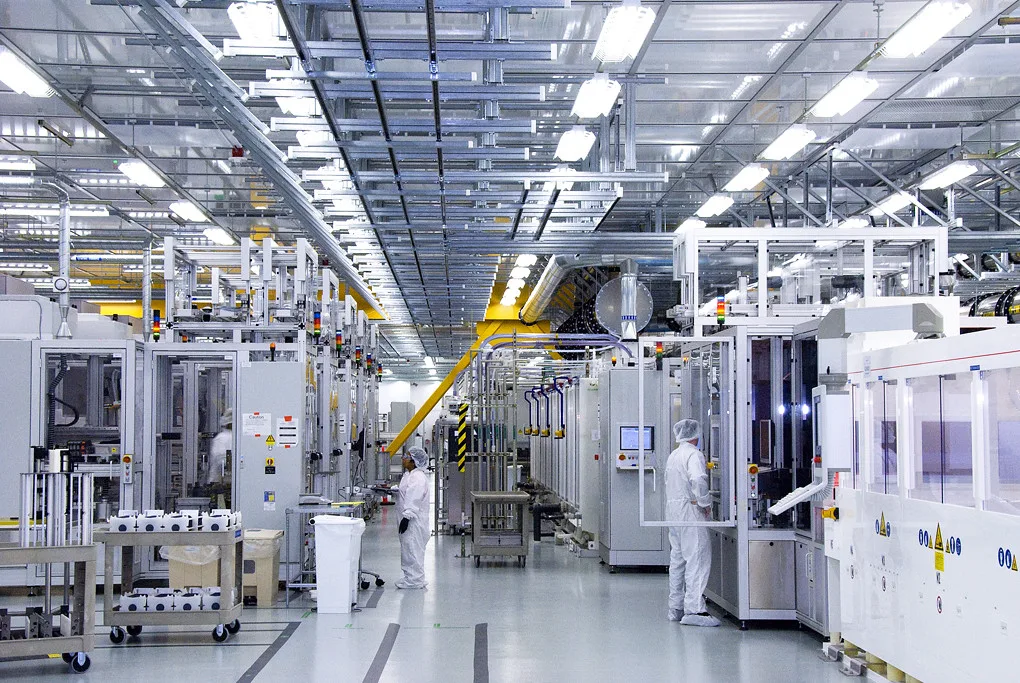
As the United States considers a significant expansion of import tariffs in early 2025, trade analysts and domestic manufacturers are debating whether these levies represent a protectionist barrier or a catalyst for long-overdue regulatory reform. The proposed measures, aimed at curbing trade imbalances and incentivizing domestic production, have prompted an urgent reassessment of the American industrial landscape by policymakers in Washington and corporate leaders across the country.
The Shifting Landscape of Global Trade
The current push for higher tariffs arrives amidst a broader global trend toward economic nationalism. For decades, the U.S. maintained a policy of relative free trade, but supply chain disruptions during the pandemic and rising geopolitical tensions have shifted priorities toward economic resilience.
Economists note that the impending tariff structure is designed to shield emerging domestic sectors, particularly in green energy and semiconductor manufacturing. However, the policy transition poses immediate cost challenges for industries reliant on imported raw materials and specialized components.
The Argument for Concurrent Deregulation
Proponents of the new tariff regime argue that protectionist measures must be paired with aggressive domestic deregulation to be effective. The logic is that while tariffs raise the cost of imports, domestic firms can only compete if they are unburdened by excessive administrative hurdles.
“Tariffs alone create a cost-push inflation scenario,” says Dr. Elena Vance, a senior trade policy fellow at the Center for Economic Research. “To realize the benefits of reshoring, the government must simultaneously strip away the regulatory friction that currently prevents companies from scaling production quickly.”
Industry advocates point to the construction and energy sectors as primary targets for reform. By streamlining permit processes and revising environmental compliance standards, they argue that the U.S. could effectively lower its domestic production costs to offset the price increases caused by import duties.
Economic Implications for Manufacturers
Data from the U.S. Bureau of Economic Analysis suggests that manufacturing costs in the U.S. have risen by nearly 15% since 2020, driven by both labor shortages and complex regulatory compliance. For firms operating in highly competitive global markets, any increase in input costs via tariffs necessitates a compensatory increase in operational efficiency.
Large-scale manufacturers are already re-evaluating their supply chains, with many looking to shorten logistics routes. This “near-shoring” strategy is viewed by many as a necessary response to the uncertainty of long-range trade agreements.
Small to medium-sized enterprises (SMEs), however, face a steeper climb. Lacking the capital reserves of major corporations, these firms are particularly vulnerable to the initial price shocks associated with tariff implementation.
Looking Ahead: The Next Phase of Industrial Policy
The success of the current trade strategy will likely depend on the government’s ability to execute a dual-track approach. If tariffs move forward without a corresponding reduction in the regulatory burden, the result could be a stagnation of industrial output coupled with higher consumer prices.
Market observers are now watching for upcoming legislative sessions in Congress that may focus on tax incentives and regulatory streamlining. Should these measures pass, it could signal a fundamental shift in the U.S. economic model, moving away from a service-oriented economy toward a modernized, high-tech industrial base.
Investors and stakeholders should monitor the specific carve-outs in the upcoming tariff schedules, as these will likely provide the first clues regarding which sectors the administration plans to prioritize for deregulation. The coming months will be critical in determining whether these trade barriers serve as a bridge to industrial revitalization or a wall against global competitiveness.