





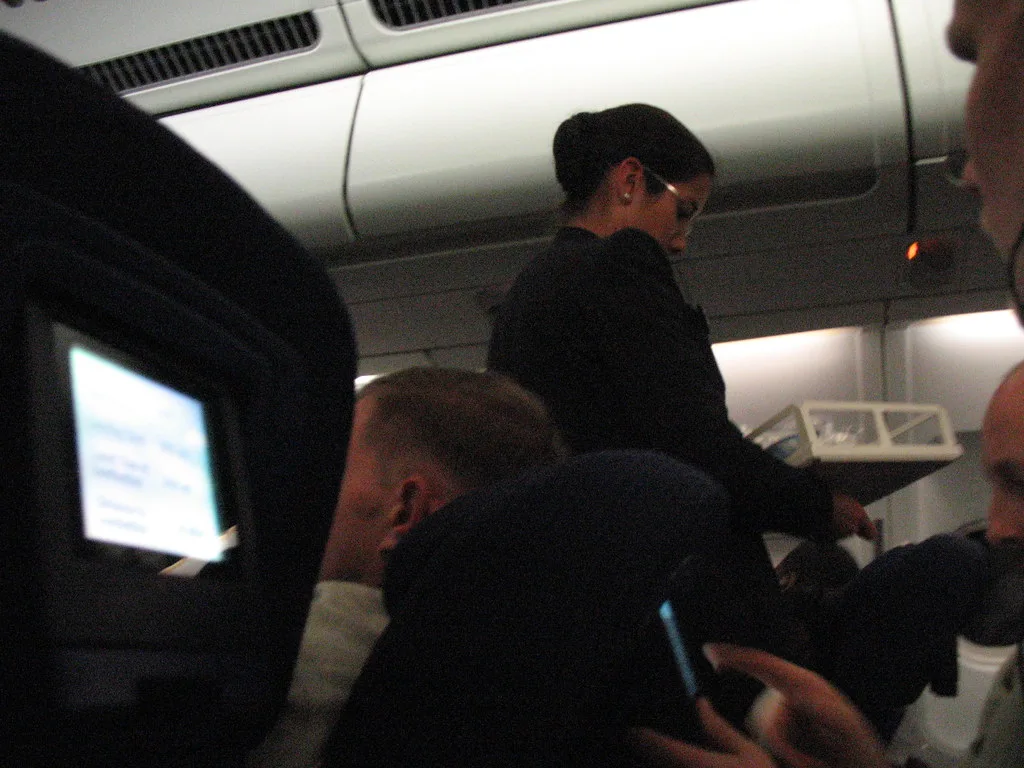
Nearly 30,000 United Airlines flight attendants officially ratified a new five-year contract on May 12, securing an average 31 percent pay increase. The Association of Flight Attendants–Communications Workers of America (AFA-CWA) confirmed that 82 percent of the membership voted in favor of the deal, which includes immediate compensation adjustments and significant retroactive pay.
This historic agreement marks a major victory for labor organizers following months of high-stakes negotiations within the aviation sector. Beyond the base salary hikes, the contract introduces boarding pay, an industry-standard shift designed to compensate crew members for the time spent preparing the cabin before the aircraft departs.
A New Standard for Compensation
The aviation industry has faced mounting pressure to address stagnant wages and the complexities of modern air travel. For years, flight attendants have argued that the traditional pay structure—which typically begins only after the aircraft door closes—fails to account for the increasing demands of pre-flight safety checks and passenger boarding assistance.
The new United contract addresses this by providing boarding pay, which is expected to boost overall compensation by approximately 7 to 8 percent during the upcoming summer season. Furthermore, the agreement mandates a total of $741 million in retroactive pay and various quality-of-life upgrades, signaling a substantial financial commitment from United Airlines to its frontline workforce.
Industry-Wide Labor Dynamics
The Association of Professional Flight Attendants (APFA), which represents American Airlines crew, has long advocated for similar compensation models. By normalizing boarding pay, the United contract creates a benchmark that other major carriers will likely be forced to match to remain competitive in a tight labor market.
Labor experts note that this agreement reflects a broader trend of aggressive collective bargaining in the post-pandemic era. As airlines grapple with staffing shortages and record passenger volumes, unions have gained significant leverage to demand better working conditions and higher wages.
Economic and Operational Implications
For the average traveler, the ratification of this contract provides a measure of stability during a period of high flight demand. While labor disputes often threaten to disrupt schedules, this agreement ensures that United Airlines will avoid potential work stoppages for the next five years.
However, the financial impact of these wage increases will be significant for United’s bottom line. Industry analysts are now watching to see how the airline will balance these increased labor costs against rising fuel prices and the need to maintain competitive ticket pricing for consumers.
Looking Ahead
The industry will closely monitor the upcoming contract negotiations at other major carriers to see if the United deal becomes the standard for the entire sector. As airlines continue to navigate workforce shortages, the focus will likely shift toward long-term retention strategies and whether the cost of these labor agreements will lead to fundamental changes in airline business models.