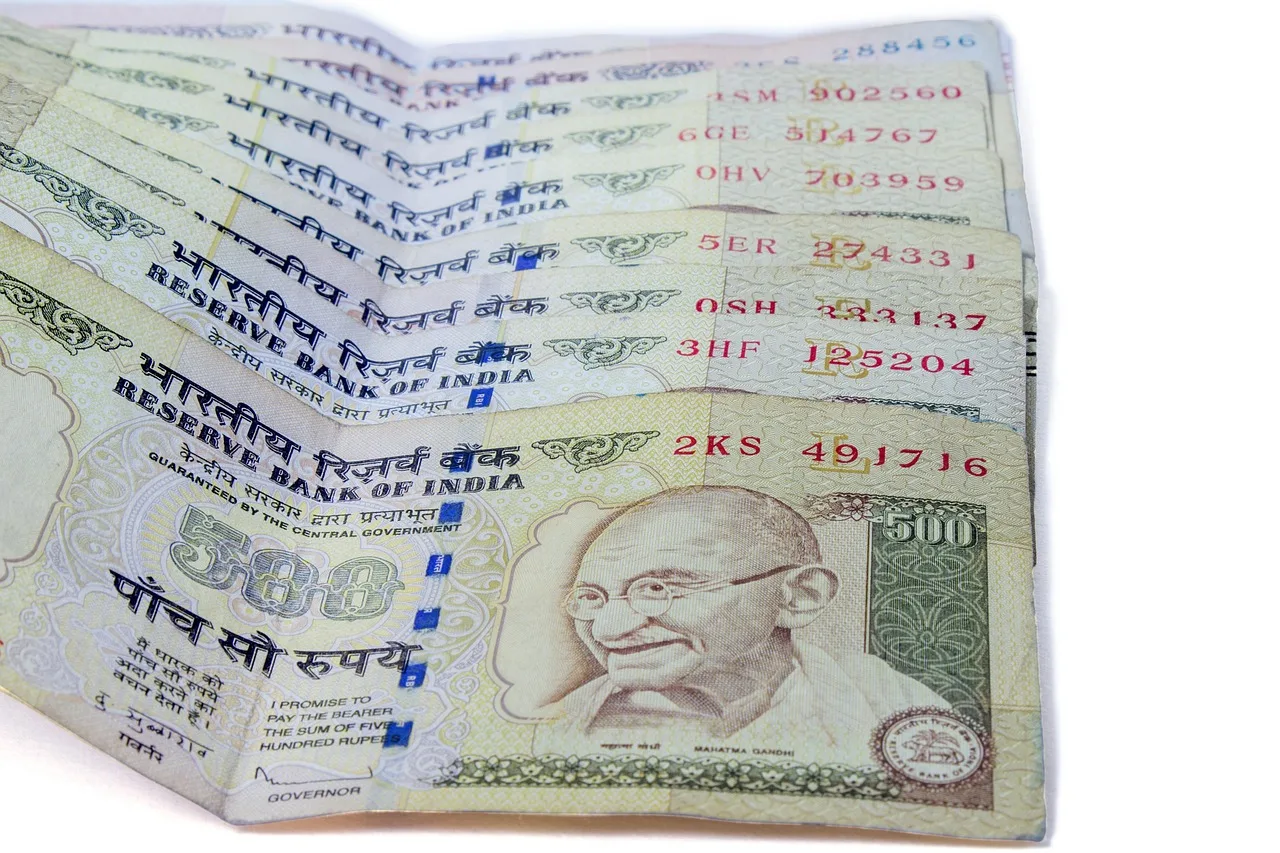





Global financial firm UBS recently revised India’s GDP growth forecast downward by 0.5 percentage points to 6.2% for the current fiscal year (FY27), citing escalating geopolitical tensions in the Middle East that have fueled energy shock risks and heightened market uncertainty. This adjustment, announced in an interaction with ET Now by Tanvee Gupta Jain, Chief India Economist at UBS Securities India, also projects a significant weakening of the Indian rupee to 96 against the US dollar by FY27, signaling potential inflationary pressures and a shift in the Reserve Bank of India’s monetary policy stance.
Global Headwinds and India’s Resilience
The global economic landscape has been increasingly volatile due to ongoing geopolitical conflicts, particularly the intensified situation in the Middle East involving the United States and Iran. These tensions have rippled through international markets, eroding investor confidence and causing significant fluctuations in commodity prices, especially crude oil. Despite this turbulent environment, the Indian economy has largely demonstrated remarkable resilience, distinguishing itself among major global economies for its relative stability. However, the prolonged nature of these external pressures is now beginning to manifest in revised economic outlooks, prompting financial institutions like UBS to recalibrate their projections for India’s growth trajectory and currency performance.
UBS Downgrades Growth Outlook
UBS’s latest assessment, informed by its leading economic indicator which began signaling a slowdown in March, reflects growing concerns over the potential for sustained energy price shocks. The firm has reduced India’s GDP growth projection from an earlier 6.7% to 6.2% year-on-year. Tanvee Gupta Jain emphasized the high sensitivity of this outlook to the geopolitical situation’s evolution. Should the Middle East conflict de-escalate swiftly, a growth recovery to approximately 6.5% remains plausible. Conversely, a prolonged period of energy disruptions could exert a more substantial drag, potentially pushing growth into the 5-5.5% range.
Inflationary Pressures Mount from Energy Costs
Beyond growth, the geopolitical turmoil is also set to impact India’s inflation landscape. UBS now anticipates India’s inflation to average 5.2% year-on-year in FY27. This upward revision is primarily attributed to the anticipated surge in global energy prices. Domestically, however, the supply of petrol and diesel remains stable, thanks to India’s robust refining capacity and diversified import sources, according to Jain. This domestic stability acts as a partial buffer against the global price hikes.
Rupee Weakness Exacerbates Concerns
The Indian rupee has recently experienced significant depreciation, hitting a record low of 95.40 against the US dollar on May 5. This weakening trend is expected to continue, with UBS forecasting the rupee to reach 96 against the US dollar by FY27. A weaker rupee contributes directly to imported inflation, as goods and services purchased from abroad become more expensive.
RBI’s Potential Policy Shift
The persistent inflationary pressures, combined with the depreciating rupee, could prompt a significant shift in the Reserve Bank of India’s monetary policy. Jain suggests that the RBI might transition from its current pause in rate adjustments to a phase of gradual rate hikes in the second half of FY27. Such a move would aim to cool inflation, curb excessive borrowing, and bolster financial stability.
Fiscal Policy and Deficit Projections
While fiscal policy is expected to offer some cushioning against the energy shock through targeted measures, the government’s fiscal space is limited, restricting large-scale support. Fuel cost increases may be passed on to consumers. UBS projects India’s fiscal deficit to stand at 4.4% of GDP in FY27, with a possibility of temporary slippage. A fiscal deficit occurs when government spending surpasses its revenue.
Widening Current Account Deficit and Weak FDI
On the external trade front, UBS predicts a widening of India’s current account deficit (CAD) to 2.5% of GDP. A CAD signifies that a country’s imports of goods, services, and income exceed its exports. Compounding this challenge are persistently weak foreign direct investment (FDI) inflows. Lower FDI reduces the supply of foreign currency in the domestic market, placing additional downward pressure on the rupee’s exchange rate.
Implications and What to Watch Next
These revised forecasts from UBS underscore a more challenging economic environment for India, primarily driven by external geopolitical factors. For businesses, this implies potentially higher input costs due to imported inflation and a need to factor in currency volatility. Consumers may face increased prices for various goods and services, particularly those tied to energy. Policymakers will be closely monitoring global oil prices and the trajectory of the Middle East conflict, as these will be critical determinants of India’s inflation and growth path. The Reserve Bank of India’s response to inflation and rupee depreciation, particularly any shifts towards interest rate hikes, will be a key development to watch. Furthermore, the government’s ability to manage its fiscal deficit while navigating these external shocks will be crucial for maintaining economic stability. Investors will be scrutinizing the evolution of geopolitical tensions and their impact on global commodity markets, alongside domestic policy responses, to gauge future market movements.