



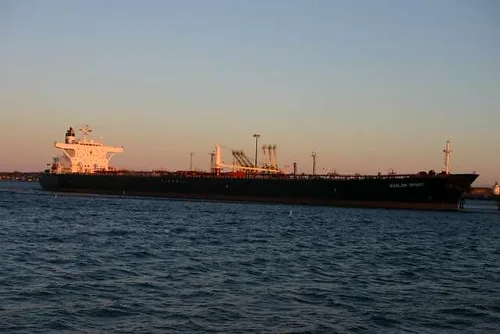
The United States saw a notable uptick in total exports during April, according to new data released by the Commerce Department, as escalating geopolitical tensions in the Middle East fueled international demand for American energy products. This increase in outbound trade slightly outpaced the growth of imports, signaling a resilient domestic energy sector amidst a period of heightened global instability and conflict involving Iran.
The Geopolitical Catalyst for Export Growth
Global energy markets have remained in a state of flux since the onset of intensified tensions between the United States and Iran. As international shipping lanes face potential disruption and regional production concerns mount, buyers in Europe and Asia have increasingly turned to the U.S. as a stable source of crude oil and liquefied natural gas (LNG).
Data from the Commerce Department confirms that this shift in procurement patterns directly impacted the national trade balance for April. While import figures also showed a modest rise, the velocity of export growth helped narrow the trade gap, providing a buffer against broader inflationary pressures affecting the global supply chain.
Analyzing the Trade Dynamics
Economists note that the energy sector has become a primary driver of U.S. export performance throughout the second quarter. The sustained demand for American energy exports is not merely a result of price volatility, but a reflection of a strategic shift by trading partners seeking to diversify their energy dependencies away from volatile Middle Eastern corridors.
Beyond energy, the broader manufacturing sector showed mixed results. While heavy machinery and agricultural exports faced headwinds due to the strength of the U.S. dollar, the surge in energy shipments proved sufficient to carry the overall export volume into positive territory. This underscores a persistent reliance on energy independence as a pillar of American economic stability.
Expert Perspectives on Market Volatility
Market analysts emphasize that while the current export figures are encouraging, they remain tethered to the unpredictability of the regional conflict. Should the tensions in the Middle East escalate further, the resulting supply shocks could force a rapid reassessment of global trade flows.
“The current growth in U.S. exports is a direct response to a fractured global energy market,” said a senior trade strategist at a leading economic research firm. “The U.S. is currently positioned as the supplier of last resort for many nations, which creates a temporary but powerful tailwind for our export economy.”
Long-term Economic Implications
The reliance on energy exports to stabilize the trade balance presents a double-edged sword for the domestic economy. While it bolsters GDP and creates jobs in the energy sector, it also leaves the nation’s trade performance increasingly vulnerable to the ebbs and flows of international conflicts.
For the remainder of the year, industry observers will watch the Federal Reserve’s interest rate policy in conjunction with these trade figures. If global energy demand softens or if the U.S. dollar continues to appreciate, the current export momentum could face significant resistance in the coming quarters. Investors should monitor energy futures and upcoming Commerce Department reports to gauge whether this export growth marks the start of a sustained trend or a temporary reaction to geopolitical distress.